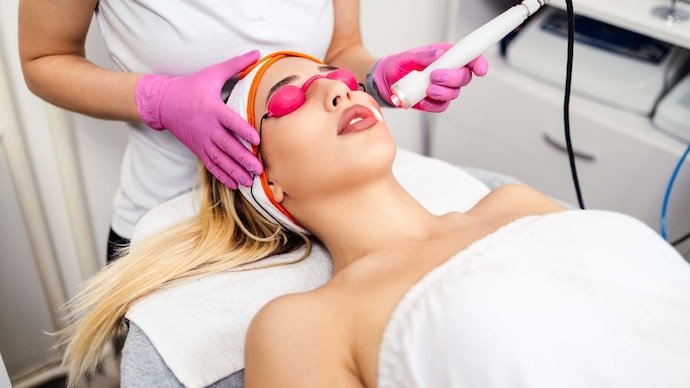
Healthy, radiant skin often begins with understanding its individual needs and choosing treatments that support its natural appearance. Many people experience concerns such as uneven skin tone, unwanted hair, visible pigmentation, rough texture, and signs of ageing. Modern aesthetic technology offers different ways to address these concerns, but selecting the right treatment environment is just as important as understanding the procedure itself. This is where Laser Skincare Treatments in Dubai become a valuable option for individuals seeking a more targeted approach to skin improvement. A professional skincare clinic focuses on personalised care, appropriate technology, safety protocols, and realistic expectations rather than offering the same solution to every individual.
The difference between an ordinary treatment experience and a professional one often lies in the details. From the initial skin assessment to the selection of suitable equipment and the monitoring of progress, every stage should be guided by a clear understanding of skin health. A reliable clinic prioritises individual concerns, communicates openly, and helps clients make informed decisions about their skincare goals.
Personalised Skin Assessments and Treatment Planning
Every person’s skin has unique characteristics that influence how it responds to aesthetic procedures. Skin tone, sensitivity, texture, pigmentation patterns, and previous treatment experiences can all affect the suitability of a particular laser procedure. A professional clinic recognises these differences instead of relying on a standardised treatment plan.
The consultation process provides an opportunity to discuss concerns, identify treatment goals, and evaluate whether laser technology is appropriate. A thorough assessment also helps distinguish between concerns that may look similar but require different approaches. For example, certain types of pigmentation may respond differently to laser treatment, while some skin conditions require alternative management.
Personalised planning allows the treatment approach to reflect individual needs. It also establishes realistic expectations about the number of sessions, the likely progression of visible improvements, and the limitations of the procedure. This careful preparation helps clients understand their options before proceeding.
Advanced Laser Technology and Equipment
Technology plays a significant role in the quality of a laser skincare experience. Different laser systems use specific wavelengths and energy settings to target particular structures within the skin. Depending on the device and its intended application, treatment may focus on hair follicles, pigmentation, selected signs of ageing, or certain textural concerns.
A professional clinic evaluates technology according to its suitability for the intended treatment rather than relying solely on equipment branding or marketing claims. Appropriate devices should be maintained according to manufacturer recommendations, used for their intended purposes, and operated with suitable safety measures.
Technology selection also matters because not every laser is appropriate for every skin type or concern. Factors such as pigmentation, skin tone, treatment area, and sensitivity can influence which approach is considered suitable. A well-equipped clinic understands these distinctions and explains why a particular method may be recommended.
Strong Emphasis on Safety and Hygiene
Safety is one of the most important factors distinguishing a professional skincare setting from an inadequately prepared treatment environment. Laser procedures involve controlled energy, which means correct settings, appropriate protective equipment, and careful assessment are essential.
A professional clinic follows established hygiene procedures and uses suitable protective eyewear during laser treatments. The treatment area should be prepared appropriately, and the equipment should be handled according to its operating guidelines. Staff should also understand how to identify situations in which a procedure may need to be postponed or avoided.
A thorough screening process considers relevant medical history, medications, recent sun exposure, skin sensitivity, and previous aesthetic procedures. These factors may influence treatment suitability and the risk of complications, including burns or changes in skin pigmentation.
Clear communication is equally important. Clients should receive an understandable explanation of potential risks, expected sensations, and possible temporary skin reactions. This transparent approach supports informed decisions and demonstrates a commitment to responsible aesthetic care.
Qualified and Trained Skincare Professionals
Professional equipment alone cannot guarantee a good treatment experience. The knowledge and training of the person performing or supervising a procedure are equally important. A reputable clinic ensures that treatments are provided by appropriately qualified personnel working within their professional scope and applicable local regulations.
Trained professionals understand how laser settings, skin characteristics, and treatment objectives interact. They can assess whether the proposed procedure is suitable, recognise potential warning signs, and respond appropriately if an unexpected reaction occurs.
Their role also includes explaining the treatment process in clear language. Clients should feel comfortable asking questions about the technology, anticipated outcomes, possible risks, and alternative options. Rather than promising flawless skin, a responsible professional provides balanced information and helps establish achievable goals.
This combination of technical knowledge, careful judgement, and clear communication contributes to a more informed and confident treatment experience.
A Broad Understanding of Different Skin Concerns
Another feature of a professional clinic is its ability to distinguish between different aesthetic concerns and recommend an appropriate approach for each one. Unwanted hair, pigmentation, uneven texture, and visible signs of ageing do not necessarily respond to the same technology.
For example, laser hair reduction targets pigment within hair follicles, while selected pigmentation treatments aim to address specific pigment deposits. Certain resurfacing procedures focus on improving skin texture and the appearance of particular surface irregularities. Each application requires a suitable device, an appropriate treatment plan, and careful consideration of individual skin characteristics.
A professional clinic avoids treating every concern as though it requires the same procedure. It considers the underlying issue, evaluates available options, and explains when laser treatment may not be the most suitable choice.
This thoughtful approach helps clients understand the purpose of each procedure and prevents unrealistic expectations about what a single treatment can accomplish.
Honest Consultations and Realistic Expectations
Trust develops when a clinic provides accurate information instead of making exaggerated promises. Skin treatments can produce different outcomes depending on the concern being addressed, the technology used, individual skin characteristics, and consistency with the recommended treatment plan.
A professional consultation should explain the anticipated benefits as well as the limitations. Some concerns may require several sessions, while others may show only gradual or partial improvement. Certain pigmentation or textural issues may need a combination of treatments or assessment by an appropriate healthcare professional.
Clients should also receive information about the possibility of temporary redness, swelling, sensitivity, or other treatment-related reactions when relevant to the procedure. The likelihood and duration of these effects can vary.
Honest communication allows individuals to weigh the potential benefits against the risks and practical considerations. It also creates a foundation for a treatment relationship based on transparency rather than unrealistic guarantees.
Clear Aftercare Guidance and Progress Monitoring
Professional care should continue beyond the treatment session. Appropriate aftercare guidance helps clients understand how to support their skin while it recovers and when they should seek further advice.
Depending on the procedure, recommendations may include limiting sun exposure, using suitable sun protection, avoiding irritating skincare products temporarily, and following specific instructions provided by the treating professional. The appropriate guidance depends on the treatment performed and the individual’s skin response.
Progress monitoring is another valuable part of a well-managed skincare plan. Follow-up assessments can help evaluate visible changes, identify unexpected reactions, and determine whether adjustments are needed before another session. Comparing progress over time may also help establish whether the original treatment goals remain realistic.
A professional clinic encourages clients to report unusual symptoms rather than dismissing them as an expected part of recovery. This continued communication supports a more responsible and individualised approach to skincare.
A Comfortable and Client-Focused Experience
The overall treatment environment can influence how confident and comfortable clients feel throughout their skincare journey. Professionalism is reflected in clear explanations, respectful communication, appropriate privacy, organised appointments, and transparent treatment policies.
Clients should receive enough time to discuss their concerns without feeling pressured to purchase additional procedures. Recommendations should be based on suitability and individual goals rather than unnecessary treatment packages.
A client-focused approach also recognises that skin improvement is often gradual. Providing realistic information about treatment intervals and expected progress helps individuals make decisions that fit their needs and preferences.
When professionalism, technology, safety, and personalised care work together, the treatment experience becomes more than a single appointment. It becomes a structured process designed around informed choices and appropriate aesthetic goals.
Choosing the Right Clinic for Your Skincare Goals
Selecting a laser skincare clinic requires more than comparing available procedures or looking at promotional claims. Individuals should consider the clinic’s approach to consultations, staff qualifications, equipment suitability, safety standards, and follow-up support.
It is helpful to ask how the recommended technology addresses a particular concern, whether it is suitable for the individual’s skin type, what results may reasonably be expected, and which risks should be considered. Understanding these details makes it easier to evaluate whether the proposed treatment aligns with personal goals.
A reliable clinic welcomes these questions and provides clear answers without guaranteeing identical outcomes for every client. It should also explain alternative options when a laser procedure is unsuitable.
By prioritising professional assessment and responsible treatment planning, individuals can make more informed decisions about their skincare options and choose an approach that places skin health at the centre of the experience.
Book Us
For individuals exploring professional skincare options, Enfield Royal Clinic Dubai offers a destination to discuss aesthetic concerns and learn more about suitable treatment approaches. Choosing Laser Skincare Treatments should begin with an informed consultation that considers individual skin characteristics, desired improvements, and treatment suitability. The clinic experience should focus on personalised recommendations, clear communication, and realistic expectations so that each client can better understand the available options. Those interested in improving their skincare routine through aesthetic procedures can contact Enfield Royal Clinic Dubai to discuss their concerns, explore appropriate treatment possibilities, and take the next step towards a personalised skincare plan.