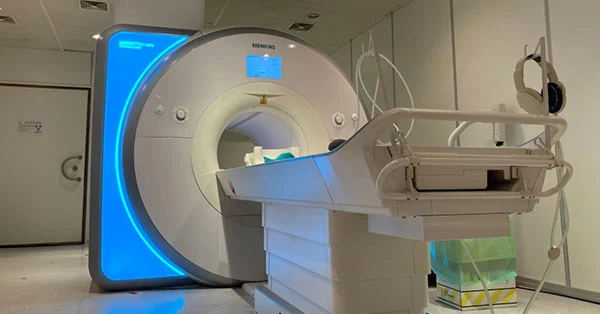
Medical technology is advancing at a breakneck pace, constantly reshaping healthcare delivery and diagnostics. Among the most pivotal innovations, the magnetic resonance imaging (MRI) scanner stands out as an indispensable tool in modern medicine. MRI scanners play a critical role in diagnosing various conditions, ranging from neurological disorders to soft tissue injuries, making them essential for any advanced medical facility. However, purchasing and maintaining an MRI scanner represents a significant financial commitment, and understanding the MRI scanner cost in 2026, as well as the factors influencing pricing, is vital for healthcare providers, hospitals, and stakeholders planning for the future.
In this comprehensive article, we will dissect the anticipated MRI scanner cost in 2026, explore various contributing factors that drive pricing, and provide contextual insights, while briefly assessing complementing technologies like the medical ventilator machine.
Understanding MRI Scanner Cost in 2026
As of 2023, the cost of an MRI scanner varies significantly depending on the type, technology, functionality, and brand. Prices can range from $150,000 to over $3 million, based on factors such as the scanner’s imaging capabilities, internal components, and customization options. Predicting the cost of MRI scanners in 2026 involves analyzing several trends, including technological advancements, supply chain dynamics, and industry-specific variables.
Experts forecast that by 2026, the MRI scanner cost will likely continue to rise to accommodate new innovations, improved imaging features, and enhanced efficiency. At the same time, market competition and more affordable options from emerging manufacturers may stabilize costs for certain models. The likely prices are projected between:
– $180,000 to $300,000 for smaller and mid-range portable MRI scanners.
– $1 million to $4 million for advanced MRI systems equipped with high-powered magnets, multi-channel coils, and artificial intelligence (AI) integration.
– Leasing and service plans: MRI scanner leasing options and operational maintenance contracts may range between $4,000 to $15,000 monthly, depending on the machine specifications and service providers.
These predictions are not set in stone, as factors from macroeconomic shifts to groundbreaking innovations can influence pricing significantly.
Key Factors Affecting MRI Scanner Cost
To better understand the financial nuances of MRI scanners, it is essential to dive into the variables shaping their pricing. By analyzing supply chains, production technologies, and other key factors, healthcare stakeholders can anticipate future costs with greater accuracy.
1. Technological Advancements
One of the most significant determinants of MRI scanner cost is the incorporation of cutting-edge technology. Over the past decade, MRI machines have evolved to include higher-strength magnets (3T and 7T systems), faster imaging speeds, and improved resolution capabilities. As technology continues to advance, manufacturers may introduce new features for enhanced diagnostic accuracy.
For example:
– Quantum Computing: By 2026, integration with quantum computing technologies may further increase imaging precision and efficiency.
– Artificial Intelligence (AI): AI-based tools bring features like automated reporting, predictive diagnostic models, and machine learning. These developments may boost MRI efficacy while pushing up costs on premium machines.
– Custom Imaging Protocols: Demand for machines with specialized imaging protocols for cardiology, oncology, and neurology patients may lead to increased costs.
While futuristic upgrades attract higher upfront prices, competition among manufacturers like Siemens, Philips, and GE Healthcare may drive affordability in basic models.
2. Magnet Strength
The magnet strength of an MRI scanner plays a crucial role in defining its imaging resolution, accuracy, and price. Machines are classified by Tesla ratings (T), indicating the strength of their magnetic fields. Common categories include low-field MRI scanners (<0.5T), mid-field MRI scanners (1-1.5T), and high-field MRI scanners (3T and above).
-Low-field MRI systems: These models offer affordable pricing, typically under $600,000, but may provide lower resolution imaging, limiting their applications to basic diagnostics.
Mid-field MRI systems: These versatile scanners are often chosen by hospitals worldwide, with prices ranging between $1 million to $3 million, offering higher resolution and greater capability.
High-field MRI systems: Ultra-strength models, such as 3T and 7T systems, are the gold standard in advanced imaging. Costs for these can exceed $4 million by 2026 due to unmatched precision.
Demand for machines with greater magnet strength will continue influencing MRI scanner costs, especially in high-tech research institutions and specialized hospitals.
3. Components and Hardware
The internal hardware of an MRI scanner—ranging from coils to cooling systems—has a direct impact on cost structure. Future trends indicate manufacturers may use sustainable and energy-efficient materials to optimize performance.
Key components contributing to higher MRI scanner costs:
– Gradient Coils: Responsible for spatial encoding, advanced designs may elevate costs of newer models.
– Computing Systems: Enhanced computer chipsets used for image processing may add significant expense to upgraded systems.
– Cooling Systems: Liquid helium, often used to cool scanner magnets, is expensive. Innovation in alternative cooling solutions could fluctuate associated costs by 2026.
4. Software Capabilities
The software integrated into MRI scanners facilitates efficient operation and data handling. Cutting-edge software packages featuring streamlined user interfaces, cloud connectivity, and AI-powered analytics will likely raise prices, reflecting research and development expenses.
By 2026, advanced MRI systems may include diagnostic automation tools, which could lead to greater convenience for radiologists but at a higher cost.
5. Manufacturer and Brand
The brand value of the manufacturer is another influential factor shaping MRI scanner cost. Established brands like Siemens Healthineers, Philips, and GE Healthcare dominate the market due to their reputation for reliability, innovation, and quality customer support.
A comparison of average pricing from leading manufacturers for advanced MRI scanners in 2023 includes:
– Siemens Healthineers: Pricing typically ranges from $1.5 million to $3.5 million per scanner.
– GE Healthcare: Known for mid-range yet sophisticated systems, GE offers machines priced between $1.2 million and $3 million.
– Philips: Premium pricing varies from $1.8 million to $4+ million, depending on the technology employed.
Emerging brands and manufacturers from Asia may provide cost-effective solutions by 2026, potentially reshaping global market dynamics.
6. Customization and Specialty Applications
Customization adds another layer of expense to MRI scanner pricing. Hospitals that require tailored imaging solutions for applications like cardiac imaging, pediatrics, or veterinary medicine may face higher costs as manufacturers develop specialized protocols and configurations.
7. Maintenance and Operational Costs
While the upfront cost of purchasing an MRI scanner is significant, the long-term maintenance expenditures also add to the total financial outlay. Factors such as helium refills, hardware upgrades, and service agreements will reflect in operational costs from 2026 onward.
Options such as leasing MRI scanners or adopting shared-service models may reduce direct ownership costs while still ensuring access to quality imaging solutions.
Impact of Healthcare Infrastructure on MRI Scanner Costs
Healthcare infrastructure greatly influences MRI scanner cost predictions. By 2026:
– Emerging Markets: Developing nations may experience increased demand for affordable imaging solutions, influencing manufacturers to prioritize lower-cost models.
– Key Investment Regions: Countries with robust healthcare systems will likely drive demand for advanced MRI scanners supporting specialized diagnostics.
– Economic Stability: Currency exchange rates, inflation rates, and global trade agreements may impact scanner affordability on regional scales.
Comparing the Cost with Complementary Medical Equipment: Medical Ventilator Machines
While MRI scanners focus on diagnostics, medical ventilator machines are life-saving devices essential for treating patients with severe respiratory conditions. Ventilators have gained greater prominence due to the COVID-19 pandemic, becoming a vital component in ICUs worldwide. Interestingly, while an MRI scanner cost may exceed millions of dollars by 2026, medical ventilator machines cost significantly less.
– Basic Ventilator Models: Prices range between $5,000 to $25,000, making them accessible to many healthcare facilities.
– High-Tech Ventilator Models: Premium ventilators equipped with advanced monitoring and life-support features may cost up to $40,000 to $60,000.
– Operational Costs: While not as expensive to maintain as MRI scanners, ventilators still require regular servicing and updated software for smooth functions.
Both MRI scanners and ventilator machines represent critical investments for healthcare providers, albeit at vastly different price points. Hospitals often evaluate their equipment expenditures holistically to balance diagnostic and clinical treatment infrastructure.
Final Thoughts
Understanding the MRI scanner cost in 2026 requires an in-depth evaluation of technological advancements, market dynamics, and facility-specific needs. The price spectrum, ranging from compact portable systems to ultra-high-field imaging devices, encompasses numerous variables that healthcare providers must carefully assess. Key factors driving costs include technological enhancements, magnet strength, operational expenses, and evolving software capabilities—all contributing to the overall investment.
While MRI scanners are regarded as one of the most pressing financial commitments in radiology, the future also holds potential pricing flexibility through competitive offerings and emerging manufacturers. Analyzing complementary costs, like those of medical ventilator machines, highlights the varied financial demands across medical infrastructure. For hospitals and diagnostic centers preparing for upcoming changes, forecasting equipment pricing accurately is crucial for long-term planning.
Whether you’re outfitting a new clinic or upgrading an existing facility, understanding these trends ensures better resource allocation and the ability to deliver cutting-edge patient care in a cost-efficient manner when 2026 arrives.