What Is a Hygrometer and Why Is It Vital for Humidity Control?
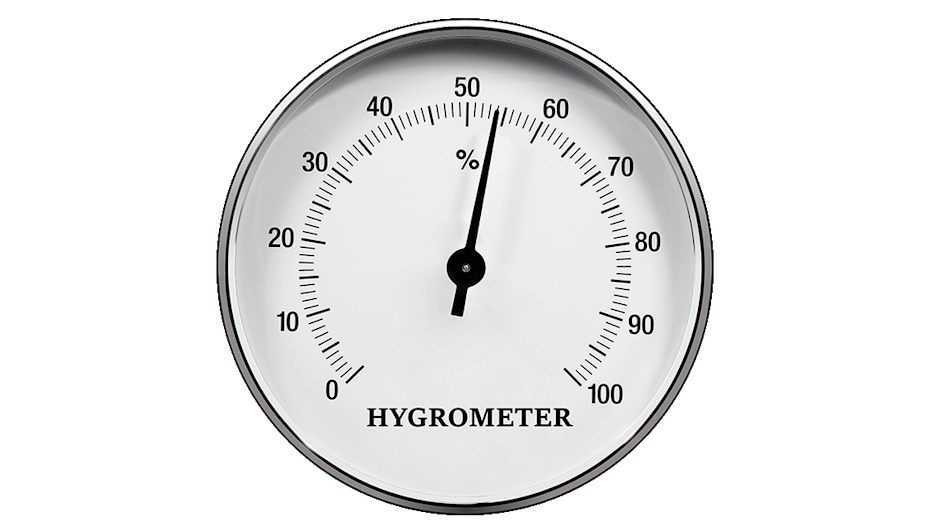
Hygrometer
Introduction to Hygrometers and Air Moisture Monitoring
Hygrometers are instruments that detect and measure the amount of water vapour present in the atmosphere. This measurement is known as humidity, and it significantly influences air quality, comfort, material preservation, and industrial operations. These devices are used in both professional and personal settings to help maintain stable environmental conditions.
From managing agricultural greenhouses to monitoring museum environments, hygrometers provide valuable data for moisture-sensitive applications. Knowing how they work and where they’re used helps us understand their importance in regulating humidity for health, safety, and efficiency.
What Is the Principle Behind a Hygrometer?
At the core, a hygrometer measures relative humidity, which is the ratio of actual moisture in the air to the maximum it can hold at a certain temperature. This value is expressed as a percentage. Some models also measure absolute humidity and dew point, which are useful for more precise industrial or scientific applications.
Methods Used to Measure Humidity
- Electronic Sensors: Detect moisture by measuring changes in electrical resistance or capacitance.
- Wet and Dry Bulb Method: Used in psychrometers, where evaporative cooling from a wet thermometer is compared to a dry one.
- Mechanical Materials: Found in analog models using organic materials that expand or shrink based on humidity.
- Dew Point Sensors: Measure the temperature at which condensation begins to form in the air.
Each method offers unique strengths in accuracy, durability, and suitability for specific operating conditions.
What Types of Hygrometers Are Available?
Hygrometers come in various forms, each tailored for different types of environments and measurement accuracy. The choice often depends on how frequently readings are taken and whether continuous monitoring is needed.
Categories of Hygrometers
- Digital Hygrometers: Offer fast and accurate readings with user-friendly displays.
- Mechanical Hygrometers: Rely on physical movement of humidity-sensitive materials.
- Remote Sensing Hygrometers: Connect to smart systems and send data to mobile or cloud platforms.
- Thermo-Hygrometers: Combine humidity and temperature readings into one device for broader environmental analysis.
- Data-Logging Hygrometers: Used in industrial settings to track humidity over time for quality control or regulatory compliance.
The diversity in models allows users across industries to select the perfect fit for their specific environment.
Where Are Hygrometers Used Most Often?
Humidity control is essential in environments where moisture influences safety, performance, preservation, or comfort. Hygrometers provide a reliable way to keep these conditions in check across a wide range of industries and spaces.
Common Use Cases for Hygrometers
- Server Rooms: Prevent electronic malfunctions caused by static discharge or condensation.
- Food Warehouses: Avoid spoilage by maintaining correct moisture levels during storage and transit.
- Hospitals and Clinics: Keep medical environments sterile and comfortable for patients.
- Printing and Paper Storage: Protect paper stock and inks from warping or smudging due to excessive moisture.
- Homes and Apartments: Improve indoor comfort and reduce the risk of dampness and mould.
- Wine Cellars: Maintain appropriate humidity to preserve cork integrity and prevent spoilage.
- Recording Studios: Ensure sensitive musical instruments and electronic equipment are protected from moisture.
These applications highlight the universal value of accurate and consistent humidity monitoring.
What Are the Benefits of Using a Hygrometer?
Hygrometers allow users to maintain healthier, safer, and more energy-efficient environments. From protecting structural integrity to improving indoor air conditions, the impact of monitoring humidity is both broad and practical.
Benefits of Proper Humidity Monitoring
- Prevents growth of harmful mould, mildew, and bacteria.
- Reduces allergy and asthma symptoms by maintaining clean air.
- Protects artwork, books, and antiques from moisture damage.
- Enhances energy efficiency by helping HVAC systems operate optimally.
- Preserves the shelf life and quality of products in storage.
- Minimises equipment breakdown caused by rust or static buildup.
These benefits show how managing humidity with a hygrometer leads to long-term savings and increased comfort.
What Features Should You Consider When Choosing a Hygrometer?
When selecting a hygrometer, consider its intended environment and how much data or functionality is needed. Advanced features can provide greater insight and automation, especially in technical or professional spaces.
Important Features to Look For
- High Accuracy Range: Crucial for laboratories or manufacturing facilities requiring tight tolerances.
- Digital Display: Simplifies readings for real-time monitoring.
- Temperature Readings: Many units also display temperature for complete environmental data.
- Alerts and Alarms: Notify users of humidity deviations beyond a defined threshold.
- Wireless or App Integration: Allows for remote control and notifications.
- Battery or USB Power: Portable units offer flexibility for use in various locations.
Matching these features to your specific needs ensures the device provides reliable data and contributes to better environmental management.
How Can You Maintain and Calibrate a Hygrometer?
A hygrometer’s performance depends on proper placement, regular cleaning, and periodic calibration. Neglecting these steps can lead to inaccuracies that reduce its effectiveness.
Maintenance and Care Guidelines
- Place in an area with good airflow but away from direct heat, sunlight, or vents.
- Clean the sensor and surrounding area gently to avoid interference.
- For digital models, check for firmware updates or recalibration tools.
- Use salt tests or reference instruments for manual calibration.
- Replace batteries or power sources before depletion to ensure uninterrupted operation.
With simple maintenance routines, a hygrometer can provide years of dependable service.
How Are Hygrometers Integrated Into Modern Systems?
In today’s connected world, many hygrometers are part of larger smart or industrial automation networks. These systems gather environmental data and trigger responses such as turning on fans, opening vents, or adjusting humidifiers.
For example, a smart hygrometer in a greenhouse may activate misting systems if the humidity drops below a programmed value. In a museum, a networked hygrometer can alert curators if moisture levels begin to fluctuate outside preservation limits. These capabilities reduce manual labour, prevent damage, and support continuous environmental regulation.
Conclusion
Hygrometers are essential tools for monitoring and maintaining proper air moisture levels in both everyday and highly specialised environments. They offer precise data that can inform decisions, protect health, preserve valuable items, and optimise operations.
From basic handheld units to advanced digital sensors with wireless control, there is a hygrometer for every need. Their contribution to creating stable, safe, and comfortable surroundings makes them an indispensable part of modern environmental control systems. As awareness of air quality continues to grow, hygrometers will remain at the forefront of humidity management across industries and homes alike.