Introduction
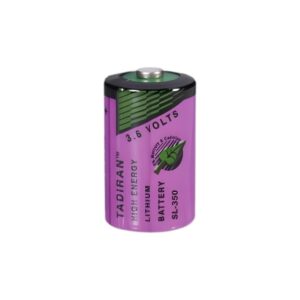
A chloride battery is a primary or secondary cell that uses chloride-based chemistry in its electrolyte or active materials to store and release energy. The term covers families like thionyl chloride and lithium oxychloride systems that prioritize long life, predictable voltage, and strong safety behavior.
In practice, a chloride battery serves low to moderate current applications where consistency, durability, and temperature tolerance are crucial. It powers sensors, controllers, data loggers, and backup circuits across industrial electronics.
How the chemistry delivers dependable power
The core appeal of chloride systems lies in their electrochemical stability. Cathode materials with chlorine-containing species enable high energy density and very low self-discharge. As a result, devices can sit in the field for years and still start reliably.
Furthermore, the internal design manages thermal behavior well. With proper circuitry, these cells handle ambient swings while avoiding rapid capacity fade. That combination makes them practical for distributed electronics connected through cables and connectors in tough environments.
Key performance characteristics to evaluate
When selecting a chloride battery, align specifications with your load profile, maintenance strategy, and environmental limits. Focus on the following areas.
-
Capacity and energy density suited to long maintenance intervals
-
Discharge profile that supports stable voltage for microcontrollers
-
Low self-discharge for multi-year storage and standby
-
Temperature window that matches thermal conditions on site
-
Internal resistance behavior under pulse loads for radios and LEDs
-
Safety certifications for industrial use and field replacement
Where chloride batteries are used
Chloride batteries shine in equipment that must work quietly in the background. Typical use cases include:
-
Remote telemetry, meters, and environmental sensors
-
Access control, switches, and alarm controllers
-
Memory retention for microprocessors and laptops in storage
-
Timekeeping circuits, capacitor-backed real-time clocks
-
Portable test tools that need predictable shelf life
-
Actuators and contactors requiring brief, reliable pulses
Design essentials for electronics integration
A successful design considers both electrical and mechanical details to protect the cell and the system. Pay attention to these integration steps.
-
Choose connectors that maintain firm grips under vibration
-
Add fuses or resettable protection near the positive lead
-
Isolate the pack from heat sources with thermal pads
-
Route cables to minimize flex at solder joints and strain points
-
Use oils or approved lubricants carefully around seals
-
Validate switch and controller thresholds for specified cutoff
Power architecture and load planning
Because many chloride batteries are optimized for steady, low drain, plan your architecture to keep peak loads short and predictable.
-
Buffer short bursts with a low ESR capacitor across the rail
-
Gate power with a controller to disconnect idle circuits
-
Schedule radio transmissions to avoid brownouts on cold starts
-
Place LEDs on efficient drivers with current limits
-
Use sleep modes on microcontrollers and minimize wake time
Safety, handling, and compliance
Safety starts with the right part and continues through the full lifecycle. Treat every stage with the same attention you give to logic design or firmware.
-
Store within recommended temperature and humidity
-
Protect against reverse insertion with keyed connectors
-
Follow transport regulations for cells and assembled packs
-
Use compatible holders, ensuring solid electrical contact
-
Avoid crushing and piercing during enclosure assembly
-
Document replacement steps so field technicians work safely
Comparing chloride to other chemistries
Each chemistry presents tradeoffs. Chloride systems are chosen for longevity and stability, while other chemistries may favor high current or fast charge.
-
Versus alkaline: better shelf life and temperature tolerance
-
Versus lithium ion: simpler maintenance for low-drain duty
-
Versus silver oxide: broader industrial availability and value
-
Versus zinc-based primaries: stronger voltage stability for controllers
Thermal considerations in real environments
Field devices experience heat, cold, and cycling that erode capacity. Plan for realistic conditions rather than ideal lab numbers.
-
Verify discharge curves across the full thermal range
-
Provide airflow or insulation as the enclosure requires
-
Keep heat-generating components away from the cell compartment
-
Include sensors to log temperature for future reliability tuning
Installation and maintenance best practices
Clean installation and recurring checks extend service life and reduce support calls.
-
Inspect contacts for oxidation before insertion
-
Tighten terminal screws to the recommended torque
-
Confirm firmware thresholds for low battery alerts
-
Replace cells on a fixed schedule if downtime is costly
-
Record part numbers and lot codes for traceability
Sourcing and lifecycle management
A robust supply plan protects production and after-sales support.
-
Qualify at least two compliant vendors for key sizes
-
Match holders, cables, and switches to reduce field variance
-
Standardize labels so technicians identify the correct cell quickly
-
Keep data sheets and safety documentation with maintenance kits
-
Track performance outcomes to refine future specifications
Practical selection checklist
Before you finalize a bill of materials, run through this quick list to ensure fit and function.
-
Voltage and capacity align with load and runtime targets
-
Peak current fits the discharge profile without excessive sag
-
Operating temperature suits the ambient thermal envelope
-
Terminal style matches connectors and available tools
-
Safety marks satisfy the destination market and transport rules
-
Documentation covers storage, handling, and disposal
Future outlook for chloride battery applications
As more industrial systems adopt low-power electronics and connected sensors, designers need storage that lasts for years without complex charging. Chloride batteries remain a solid option for smart infrastructure, predictive maintenance nodes, and distributed controllers that wake briefly, sample data, toggle switches, and transmit.