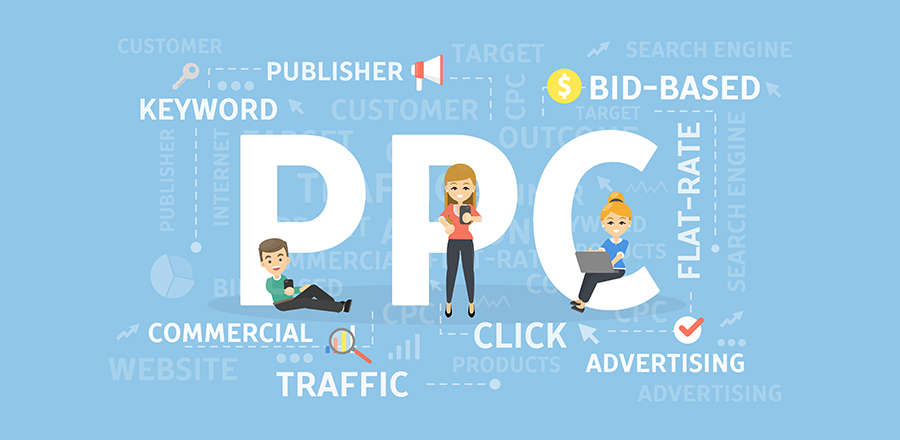
Paid advertising remains one of the fastest ways to attract qualified prospects online. When executed correctly, ppc lead generation delivers targeted traffic, measurable performance, and scalable results. Businesses that apply structured strategies and continuous optimization can turn paid clicks into consistent high quality leads.
PPC campaigns are not simply about bidding on keywords. They require audience research, persuasive messaging, strong landing pages, and ongoing data analysis. Without a clear strategy, ad budgets can disappear quickly with limited returns.
Below are the top strategies that drive effective PPC lead generation in competitive markets.
1. Start with Clear Campaign Goals
Every PPC campaign should begin with defined objectives. Are you generating demo requests, quote inquiries, webinar sign ups, or product trials?
Clear goals help determine:
- Keyword selection
- Ad copy direction
- Landing page design
- Budget allocation
When goals are specific, performance tracking becomes easier and more accurate.
2. Conduct Intent Driven Keyword Research
Keyword research is the foundation of ppc lead generation. Not all search terms have equal value. High intent keywords often signal readiness to act.
For example:
- “Request a quote”
- “Book consultation”
- “Pricing plans”
These phrases often convert better than general informational queries.
In addition to paid search, businesses should support campaigns with SEO Lead Generation Services. Organic traffic builds long term visibility, while PPC drives immediate leads. Together, they create a balanced acquisition strategy.
3. Create Highly Targeted Ad Groups
Grouping similar keywords into tightly themed ad groups improves relevance. When ads closely match search queries, click through rates increase and cost per click often decreases.
Best practices include:
- Separate campaigns by service or product
- Match ad copy to specific keywords
- Use clear calls to action
Relevance is one of the strongest drivers of successful ppc lead generation.
4. Write Compelling Ad Copy
Your ad copy must capture attention quickly. It should clearly communicate value and encourage immediate action.
Effective ads typically include:
- A strong headline
- Clear benefits
- Social proof or credibility signals
- A direct call to action
Testing multiple variations helps identify which messages resonate most with your audience.
5. Optimize Landing Pages for Conversion
Clicks alone do not generate leads. The landing page must convert visitors efficiently. Many businesses partner with a conversion rate optimization company to refine landing page performance.
Landing page best practices include:
- Clear and simple design
- Focused messaging
- Minimal distractions
- Strong call to action
- Short and easy forms
Reducing friction increases the likelihood that visitors complete desired actions.
6. Use Audience Targeting and Segmentation
Modern PPC platforms allow advanced targeting options. You can narrow audiences by demographics, interests, location, and behavior.
Segmented targeting supports:
- Personalized messaging
- Improved relevance
- Lower acquisition costs
Combining paid search with linkedin lead generation can further strengthen targeting, especially for B2B companies. LinkedIn ads allow you to filter by job title, industry, and company size, which enhances lead quality.
7. Implement Retargeting Campaigns
Most visitors do not convert on their first visit. Retargeting allows businesses to re engage users who previously interacted with their website.
Retargeting strategies include:
- Display ads to past visitors
- Email follow ups
- Dynamic product ads
Retargeted users often convert at higher rates because they are already familiar with your brand.
8. Leverage AI and Automation
Automation tools have transformed ppc lead generation. An ai digital marketing company can implement smart bidding strategies and predictive analytics to improve performance.
AI driven features include:
- Automated bid adjustments
- Dynamic ad creation
- Audience expansion modeling
- Real time performance tracking
These tools help reduce manual workload while improving efficiency.
9. Align PPC with E-Commerce Growth Goals
For online stores, PPC is a powerful revenue driver. E-commerce growth solutions often integrate paid advertising with product optimization and analytics.
Key strategies for e-commerce PPC include:
- Shopping ads
- Product feed optimization
- Seasonal promotions
- Dynamic remarketing
When aligned with inventory and pricing strategies, PPC supports sustainable online growth.
10. Monitor and Adjust Budget Allocation
Effective ppc lead generation requires constant monitoring. Performance metrics should guide budget decisions.
Important metrics include:
- Cost per lead
- Conversion rate
- Click through rate
- Return on ad spend
Shifting budgets toward high performing campaigns maximizes results.
11. A/B Test Everything
Testing is essential in paid advertising. Even small changes can produce significant differences in performance.
Elements to test include:
- Headlines
- Descriptions
- Call to action buttons
- Landing page layouts
- Form lengths
Consistent testing ensures campaigns continue improving over time.
12. Integrate PPC with Broader Marketing Channels
PPC works best when integrated with other strategies. Combining paid campaigns with SEO Lead Generation Services creates both immediate and long term visibility.
LinkedIn lead generation campaigns can complement search ads by targeting decision makers directly. Meanwhile, content marketing supports trust building and brand authority.
Cross channel integration strengthens overall lead flow and brand consistency.
13. Focus on Lead Quality, Not Just Volume
High traffic does not always mean high revenue. Quality matters more than quantity in ppc lead generation.
To improve lead quality:
- Use negative keywords to filter irrelevant searches
- Qualify leads through targeted landing pages
- Implement lead scoring systems
Filtering out low intent traffic protects budgets and improves conversion efficiency.
14. Optimize for Mobile Users
A significant portion of paid traffic comes from mobile devices. Campaigns must be optimized for smaller screens.
Mobile optimization includes:
- Fast loading pages
- Click to call buttons
- Simplified forms
- Clear navigation
Ignoring mobile users can significantly reduce campaign effectiveness.
15. Track and Analyze Conversion Data
Without accurate tracking, optimization becomes guesswork. Conversion tracking tools provide insights into user behavior and campaign performance.
Track metrics such as:
- Form submissions
- Phone calls
- Demo bookings
- Checkout completions
Analyzing this data helps refine targeting and messaging.
Final Thoughts
PPC lead generation remains one of the most effective ways to attract high intent prospects and accelerate business growth. From precise keyword targeting and compelling ad copy to advanced automation and strategic retargeting, each element plays a critical role in campaign success.
When supported by linkedin lead generation strategies, integrated with e-commerce growth solutions, enhanced by insights from an ai digital marketing company, and strengthened through SEO Lead Generation Services, paid advertising becomes even more powerful. To ensure clicks convert into measurable revenue, collaborating with a trusted conversion rate optimization company provides the structure and expertise needed for sustained performance and scalable results.