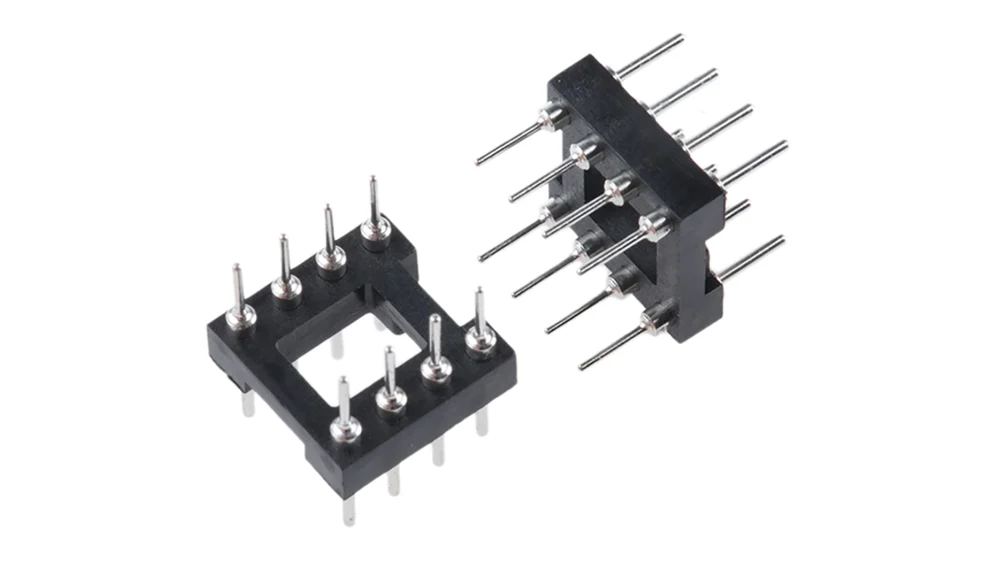
DIL Headers
Introduction
DIL Headers are widely used in electronics because they provide a neat and dependable way to connect circuit boards, modules, and internal components. In many systems, reliable connectivity is just as important as the active parts on the board. A well-planned connector layout can improve assembly, simplify servicing, and support consistent electrical performance.
These components are especially useful in printed circuit board applications where space, structure, and accuracy all matter. Their dual in line arrangement makes them suitable for organised board layouts and practical module connections. Whether used in development equipment, industrial controls, or compact devices, DIL Headers continue to offer a proven and efficient interconnection solution.
What Are DIL Headers?
DIL Headers are connector components built with two parallel rows of pins held in an insulating housing. The term DIL means dual in line, which describes the pin layout. They are mounted on a PCB to create electrical connection points for sockets, cables, jumpers, or other mating parts.
Because the pins are arranged in a consistent pattern, these headers help maintain accurate alignment and secure contact. This makes them useful in applications where clear pin organisation and repeatable assembly are important. They are often chosen for systems that need simple, compact, and serviceable connection points.
Why DIL Headers Are Important
In electronics, connection quality directly affects reliability. A poor interface can lead to signal problems, maintenance issues, and inefficient assembly. DIL Headers help avoid these problems by offering a structured and dependable way to connect separate parts of a system.
Their importance comes from several practical benefits:
- They create organised multi-pin connections
- They support clean PCB layouts
- They allow easy integration with modules and sockets
- They simplify testing and replacement
- They work well in both prototypes and finished products
This combination of simplicity and function is one reason they remain common in modern electronics.
How These Headers Work
These connectors are installed on a printed circuit board so their pins form an interface between the board and another component. Once a matching socket or connector is fitted, signals and power can pass through the contact points.
This design supports many connection tasks within electronic equipment, including:
- Board-to-board linking
- Module installation
- Signal routing
- Internal device interfacing
- Test and development access
Because the layout is fixed and clear, installation is usually straightforward, and maintenance becomes easier when compared with loose or irregular wiring methods.
Common Types of DIL Headers
Straight Versions
Straight types are designed so the mating connector fits vertically above the board. These are widely used when there is enough space above the PCB and where direct access is preferred.
Right Angle Versions
Right angle models direct the connection sideways rather than upward. They are useful in low-profile enclosures and compact assemblies where vertical clearance is limited.
Shrouded Versions
Shrouded designs include a protective guide around the pin area. This helps improve alignment and reduces the chance of incorrect insertion during assembly.
Custom Pin Length Options
Some header strips can be supplied or adjusted for specific pin counts. This gives engineers greater flexibility when designing boards with special connection requirements.
Applications in Electronics
DIL Headers are used in a broad range of electronic products because they are versatile and easy to integrate. They suit many systems where dependable interconnection is needed without introducing unnecessary complexity.
Common application areas include:
- Embedded systems
- Industrial control units
- Sensor boards
- Interface modules
- Test and evaluation platforms
- Communication equipment
- Consumer electronics
- Measurement devices
They also work well in systems that include connectors, switches, LEDs, controllers, and microprocessors. In these designs, they help keep internal board connections organised and accessible.
Benefits of Using DIL Headers
Compact Design
One of the main advantages of DIL Headers is that they provide many contact points in a relatively small space. This helps engineers make better use of limited PCB area.
Easy Assembly
Their structured layout supports faster installation and easier inspection. During production, this can improve consistency and reduce mistakes.
Reliable Contact
When correctly matched with a compatible connector or socket, they provide stable electrical performance. This is important in systems where signal quality and continuity matter.
Better Maintenance
A header-based connection can make servicing easier. Modules and connected sections are often simpler to disconnect, inspect, and replace when needed.
Wide Compatibility
Because this connector format is widely used, it is compatible with many common sockets, cable systems, and accessories found in electronic design and manufacturing.
What to Consider When Selecting DIL Headers
Choosing the right option involves more than just matching the shape. The selected part should suit the electrical and mechanical needs of the application.
Important factors include:
- Required pin count
- Pin pitch and spacing
- Board layout compatibility
- Mounting style
- Current and voltage requirements
- Contact material quality
- Mechanical strength
- Operating environment
Careful selection helps improve both reliability and ease of use over the life of the product.
Good Design Practices
To get the best results, these connectors should be chosen as part of the overall board strategy rather than added at the last stage. Good planning helps avoid fitting problems and supports better long term performance.
Useful practices include:
- Match the header orientation to enclosure space
- Leave enough clearance for access
- Confirm compatibility with the mating connector
- Use accurate PCB footprints
- Check load requirements before final selection
- Choose durable contact finishes for repeated use
These simple steps can prevent future connection issues and make the final assembly more dependable.
Conclusion
DIL Headers remain a practical and trusted solution in electronic design because they offer a balance of compact size, reliable contact, and easy integration. Their dual in line structure supports organised PCB layouts and helps create clean, serviceable connections across many types of equipment.
From development boards to industrial electronics, they continue to play an important role in linking modules, circuits, and internal systems. When a project needs a straightforward and efficient interconnection method, DIL Headers are often an excellent choice.