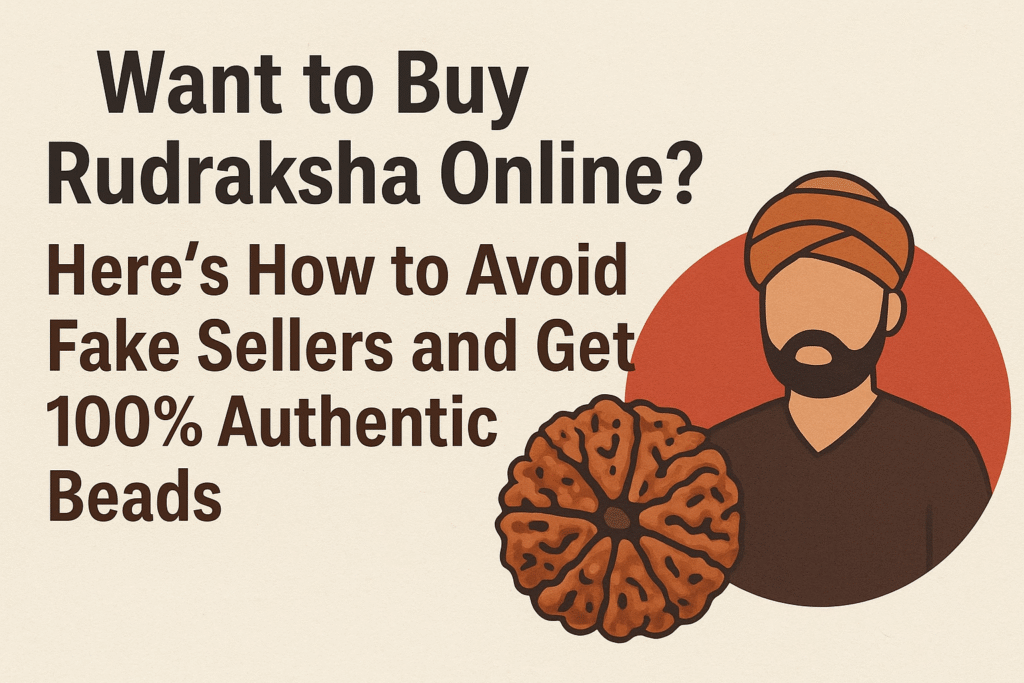
If you’re thinking about buying a rudraksha online, you must !.
But hold up. Before you click that button, you should be aware of something. The fake rudraksha market? It’s insane. Like, truly out of control. Half the stuff you’ll find online is not real. So let’s talk about how actually to get real beads.
What Even Is Rudraksha?
Okay, so rudraksha comes from a tree. The Elaeocarpus Ganitrus. It grows mainly in the north and Indonesia. These beads are sacred to Hindus, because it are connected to Lord Shiva. People use them for meditation, spiritual work, and protection. That’s the whole thing. And honestly, the fact that you want to buy rudraksha online shows you’re serious about your spiritual journey. It’s a good choice.
Why people want them:
- Each bead has lines called Mukhis
- Different Mukhis = different spiritual benefits
- Real ones carry energy
- Fake ones? Just dead weight
- If you’re going to spend money, get the real deal
The Fake Problem Is Massive
But now the real problem? Fake rudraksha is everywhere. People manufacture them from:
- Plastic
- Wood from random trees
- Stone
- Other seeds carved to look like rudraksha
- Literally anything they can make look similar.
The Tests People Talk About (Spoiler: They’re Unreliable)
People have been doing these tests forever. They sound smart. They sound spiritual. But honestly? None of them actually works properly and can guarantee the rudraksha is real.
Water/Float Test:
- Theory: Real ones sink, fakes float
- Reality: Sometimes real ones float if not fully dried. And sellers can add weight to fakes to make them sink.
- Bottom line: Don’t rely on this alone
Coin Spinning Test:
- Theory: Place between copper coins, real ones spin due to energy
- Reality: Any round object can spin with the right technique. It’s just physics, not spiritual magic.
- Bottom line: Unreliable
Milk Test:
- Theory: Put in milk, milk won’t spoil if real
- Reality: Milk spoils because of bacteria and temperature. The bead has nothing to do with it. Pure belief, no science.
- Bottom line: Pure superstition
Boiling Test:
- Theory: Boiling reveals glued pieces used in fake beads
- Reality: You might damage a real bead. Modern fakes use heat-resistant glue anyway.
- Bottom line: Not recommended. Risky.
The only real test? X-ray or lab testing. That shows the bead’s internal structure and proves what it actually is. Everything else is basically guessing.
What to Actually Do Before You Buy a Rudraksha
The tested and true test, which can guarantee that the rudraksha you’re going to buy online is a real one. Listed here.
Check the seller first:
- How long have they been in business? A seller with a 5+ years history is usually considered trustworthy.
- Do they have real reviews on multiple sites? Don’t just check their website. Look on Google, social media, and other review platforms.
- Can you find complaints about them online? Search their name. See if people have had issues or been scammed.
- Do they have a legit website and business presence? Real sellers have proper websites, phone numbers, and addresses. Not just a random marketplace listing.
- Are they responsive when you contact them? Message them with questions. Do they answer quickly? Do they actually help? Or do they ignore you?
- Anything sketchy? Walk away immediately. Trust your gut.
Ask actual questions:
- Where exactly are the beads from? Nepal beads are bigger with deeper lines. Indonesian beads are smaller and finer. Both are real, just different regions.
- What’s the Mukhi count? They should tell you the exact number of lines.
- Do they have certification? Real sellers provide this. Fake sellers avoid it.
- Who did the testing? Was it a legit lab or just them claiming it’s real?
- Can they verify the certificate? Ask them how you can check if the certificate is real.
- If they dodge your questions? That’s your answer. They’re not being transparent. Leave.
Demand certification:
- Real sellers provide certificates because they’re confident. The certificate shows X-ray results or lab testing.
- Should be from a legit lab (not made-up). Look for known labs, not some random lab name you can’t verify.
- Lab tests using X-ray or microscope show the bead’s internal structure. This is proof it’s real.
- Proves it’s real because it shows how many seed chambers are inside. That should match the number of Mukhis on the surface.
- Self-issued certificates? Fake. Always. If they “tested it themselves,” that means nothing.
Price reality check:
- 5 Mukhi? Costs ₹500-₹2000+. This is the most common type, so it’s cheaper.
- Higher Mukhis? Way more expensive. A 7 Mukhi rudraksha costs more. A 14 Mukhi costs even more.
- Rare ones? Very expensive. 21 Mukhi or super rare types can cost thousands.
- If something’s ₹100? It’s fake. 100% fake. No exceptions. Legit sellers don’t sell authentic beads for cheap.
- Compare prices across multiple legit sellers. This helps you understand what’s normal pricing.
- If one seller is drastically cheaper? Red flag. They’re either selling fakes or low-quality stuff.
Return policy matters:
- Can you return it? This is basic. If they won’t let you return it, that’s sketchy.
- At least 30 days is standard. Any less and they’re not confident in their product.
- Money-back guarantee is better than exchange. That way, you’re not stuck with something from that seller again.
- Real sellers stand behind their products because they’re selling real stuff. Fake sellers avoid this.
Where to Actually Shop
Avoid:
- Random online marketplaces
- Unknown websites selling one product
- Street vendors
- “Deals” that seem impossible
- Self-proclaimed experts with no history
Look for:
- Jewelry retailers with real history
- Sellers in business 5+ years minimum
- ISO certified companies
- Tons of positive reviews from real people
- Independent lab testing available
- Family businesses are passed down through generations
- Transparent about everything
Massive Red Flags – Just Leave
- Won’t answer your questions
- Refuses to provide certificates
- They claim supernatural powers, only their beads have
- Pushes high-Muk hi rare beads for cheap
- Aggressive sales tactics
- Zero return policy
- No way to contact them
- Website looks janky and unfinished
- The certificate looks fake or generic
After You Get It
Don’t just assume it’s real. Test it yourself:
- Inspect immediately when it arrives
- Compare against photos of real ones online
- Check if Mukhis are deep and clear
- Feel the texture (should be rough, not smooth)
- Check the stem or hole
- Something wrong? Use the return policy immediately
- Don’t wait, hoping it’s real
- Do this within the return window
Real Talk
Buying rudraksha online is risky. The fake market is massive. But you can protect yourself. Do your homework. Take your time. Check the seller thoroughly, and ask annoying questions too.
Read reviews from multiple sources and don’t rush the process. A real seller won’t mind questions.
They expect it because they’re selling something sacred. If someone gets defensive or dismissive? Leave. Find another seller. Your spiritual practice deserves the real thing.. Not machine-made fakes. The actual deal.