Trapstar: The Rise of a Streetwear Powerhouse
In the dynamic world of urban fashion, few brands have managed to capture the spirit of street culture as authentically as Trapstar. Originating from London, the brand has grown from a small, underground label to a globally recognized symbol of streetwear, music, and contemporary culture. Trapstar’s story is not merely one of fashion—it is a narrative of identity, rebellion, and the fusion of art, music, and clothing. It reflects the ethos of a generation seeking to express individuality, confront social norms, and engage with urban life in a meaningful way.
Origins: From London’s Streets to Fashion Innovation
Trapstar was founded in 2005 by brothers Mike and Shaka Caine in West London. The brand was born out of the brothers’ desire to create clothing that resonated with the raw energy and culture of their environment. London, with its vibrant street scenes, music venues, and urban communities, served as both inspiration and canvas. Early on, Trapstar distinguished itself by embracing the realities of city life while offering clothing that was functional, edgy, and aesthetically daring.
The Caine brothers were deeply influenced by the intersection of music and fashion, particularly the emerging grime and hip-hop scenes. They understood that clothing could be more than just garments—it could be a statement of identity, a badge of community, and a platform for self-expression. This perspective would become a defining feature of Trapstar, shaping its approach to design, collaboration, and cultural engagement.
Cultural Context: The Pulse of Urban London
The rise of Trapstar coincided with a pivotal moment in London’s cultural landscape. Streetwear, once a niche interest tied to skateboarding or underground music, was beginning to gain mainstream attention. Grime music was emerging as a global phenomenon, and youth culture was increasingly defined by authenticity, rebellion, and a refusal to conform to traditional fashion norms.
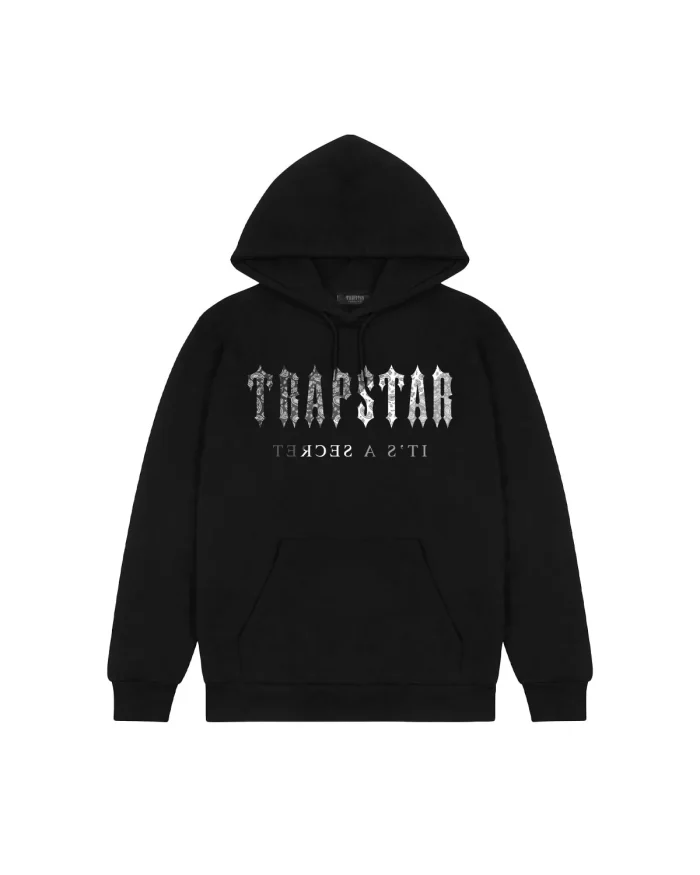
Trapstar capitalized on this cultural moment by producing clothing that spoke directly to its audience. Hoodies, jackets, and graphic tees were imbued with bold imagery, political undertones, and messages that resonated with a generation navigating urban life. The brand’s aesthetic was raw, unapologetic, and instantly recognizable—an embodiment of London’s streets translated into fashion.
Design Philosophy: Bold, Raw, and Symbolic
Trapstar’s design philosophy is rooted in the principle that clothing should carry meaning beyond aesthetics. Every piece is crafted to be visually striking while reflecting the realities, struggles, and aspirations of urban communities. Bold typography, graphic prints, and symbolic motifs are hallmarks of the brand, creating a distinctive visual language that communicates defiance, identity, and pride.
The brand’s signature aesthetic often features high-contrast graphics, politically charged messaging, and motifs inspired by street life. Trapstar designs do not shy away from controversy or commentary, using clothing as a medium to engage with societal issues, cultural narratives, and artistic expression. This approach has cultivated a sense of authenticity that resonates deeply with fans and collectors alike.
Early Growth: From Underground to Recognition
Trapstar’s early growth was gradual but deliberate. Operating from a small studio in London, the Caine brothers focused on creating high-quality, limited-edition pieces that reflected the brand’s ethos. Early adopters were predominantly local youth, musicians, and artists who appreciated Trapstar’s commitment to authenticity and originality.
Word-of-mouth became a powerful tool for expansion. Trapstar’s designs appeared on the streets, in music videos, and at cultural events, creating a ripple effect that gradually expanded its reach. The brand did not rely on traditional advertising; its influence spread organically, fueled by community engagement, collaborations, and the visibility of the brand within London’s music and fashion scenes.
Collaborations and Global Influence
One of the turning points in Trapstar’s journey was its strategic collaborations. The brand partnered with renowned figures in fashion, art, and music to amplify its cultural impact. Notable collaborations included work with high-profile designers, artists, and even major brands, allowing Trapstar Kurtka to maintain its underground credibility while reaching a broader audience.
These collaborations not only expanded Trapstar’s visibility but also reinforced its identity as a bridge between street culture and high fashion. By working with diverse creatives, the brand demonstrated that urban wear could carry both cultural weight and design sophistication, elevating streetwear from local expression to global recognition.