In the modern business world, packaging is no longer an afterthought—it has become one of the most influential elements of a customer’s buying journey. Custom boxes, in particular, have evolved into a critical component for brands looking to differentiate themselves in a crowded marketplace. As businesses shift toward more personalized, value-driven experiences, custom packaging offers an opportunity to convey brand identity, elevate product presentation, and create meaningful interactions with consumers. What was once viewed primarily as a functional necessity has now become a central player in marketing, storytelling, and consumer engagement.
At the heart of custom boxes is the power of personalization. Companies across industries recognize that generic packaging cannot fully express the uniqueness of a brand. By designing boxes tailored to specific dimensions, color schemes, and visual themes, businesses can ensure their packaging communicates exactly what they want their customers to feel. Whether the style is elegant and luxurious or simple and earthy, custom boxes help maintain a consistent brand voice. This consistency builds recognition and trust, especially in competitive industries where small details influence major purchasing decisions. For many shoppers, the look and feel of a package is their first physical touchpoint with the brand, and that moment can make a lasting impression.
Beyond brand expression, custom boxes also enhance product security and functionality. Proper sizing is a major benefit, as boxes that fit products precisely reduce the likelihood of breakage or shifting during transport. This is particularly essential for fragile items such as glassware, electronics, or handmade goods. A well-structured box does more than protect the product—it protects the customer’s experience. When a product arrives in perfect condition, the customer’s perception of the brand is elevated. This attention to detail also reduces return rates and replacement costs, benefitting both the business and the customer. Moreover, custom sizing often leads to reductions in packaging waste and shipping costs, as companies no longer rely on oversized boxes filled with excess cushioning materials.
One of the most powerful roles custom boxes play today is in enhancing the unboxing experience. In an age driven heavily by social media, customers value moments that feel special, memorable, and aesthetically pleasing. Unboxing videos and photos have become part of the digital culture, and brands benefit immensely when customers voluntarily share their packaging online. Custom Boxes help create these shareworthy moments through thoughtful touches such as interior printing, custom inserts, branded tissue paper, or personalized messages. These elements turn a simple delivery into an exciting reveal, allowing customers to feel genuinely valued and appreciated. This emotional connection encourages brand loyalty and strengthens the likelihood of repeat purchases.
Another major advantage of custom boxes is their alignment with sustainability initiatives. Today’s consumers are increasingly conscious of how their purchases impact the environment, and packaging is often one of their primary concerns. Custom boxes can be manufactured using eco-friendly materials such as recycled cardboard, kraft paper, or biodegradable coatings. Many brands also choose water-based inks and soy inks for printing, reducing the use of harmful chemicals. By promoting sustainability through their packaging choices, businesses demonstrate responsibility and transparency—two qualities that modern shoppers actively seek. When customers receive environmentally conscious packaging, it reinforces their confidence in the brand and highlights shared values between both parties.
For small businesses and startups, custom boxes offer an accessible way to compete with larger brands. Years ago, custom packaging was considered expensive and exclusive, but advancements in digital printing and flexible manufacturing have made it much more affordable. Smaller companies can now order smaller quantities, experiment with different layouts, and refine designs without committing to large production volumes. This flexibility gives emerging brands the opportunity to build strong visual identities from the beginning. They can test new styles, evaluate customer reactions, and evolve their packaging as their brand grows. Custom boxes allow small businesses to project professionalism, quality, and reliability, no matter their size.
In addition to visual appeal, custom boxes can serve as effective marketing tools. A well-designed box communicates key information before the product is even opened. Brands can incorporate elements such as taglines, logos, product information, and QR codes directly onto the packaging. QR codes, in particular, have become increasingly popular because they offer a bridge between physical packaging and digital experiences. Customers can scan the code to access tutorials, rewards programs, brand stories, or exclusive content. This interaction strengthens brand connection and encourages customers to explore beyond the product itself. Packaging, therefore, becomes not just a container, but a gateway to extended engagement.
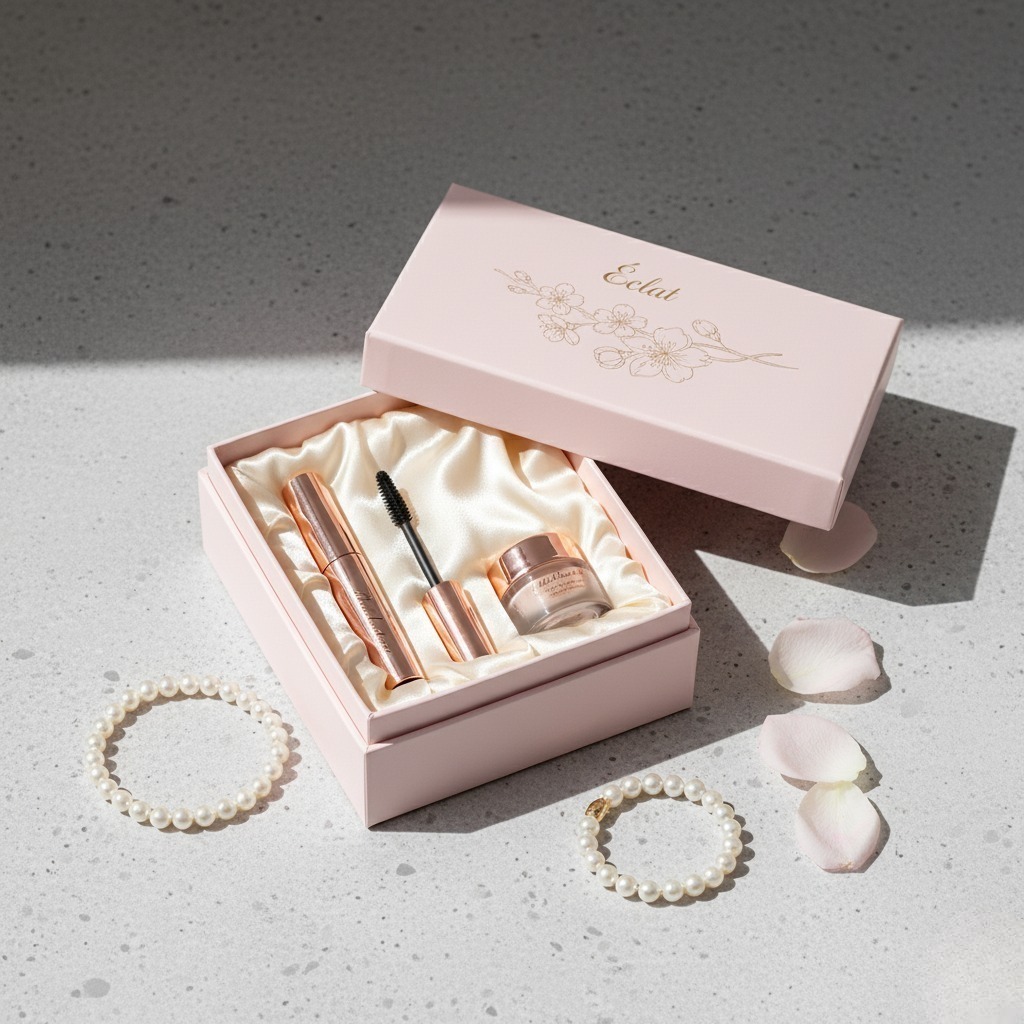
The versatility of custom boxes makes them suitable for a wide range of industries, from beauty and fashion to food, electronics, and subscription services. Each industry benefits uniquely from customization. For example, cosmetic brands often rely on luxurious finishes and elegant designs to convey sophistication, while food brands may choose earthy, natural-toned packaging to reflect freshness and organic quality. Subscription brands, which depend heavily on customer excitement, use custom boxes to create anticipation and establish a recognizable monthly ritual. Regardless of the industry, custom boxes offer a strategic blend of creativity and functionality designed to elevate the product experience.
As consumer expectations continue to rise, the role of custom boxes will continue to expand. Packaging trends are shifting toward minimalistic, eco-friendly, and interactive designs that blend form and function seamlessly. With innovations in printing and materials, businesses have even greater opportunities to experiment with textures, coatings, embossing, and other sensory elements that elevate the physical experience of the product. This combination of creative freedom and practical application positions custom boxes as an essential component of modern branding and customer experience strategies.
In conclusion, custom boxes represent far more than packaging—they are a blend of artistry, marketing, storytelling, and protection. They help businesses shape the customer’s perception long before the product itself is revealed. From strengthening brand identity and promoting sustainability to inspiring unboxing excitement and improving product security, Custom Cardboard Boxes serve as powerful tools that enhance every stage of the consumer journey. As brands strive to create deeper, more meaningful connections with their customers, custom packaging will continue to play a central role in defining how products are presented, remembered, and valued.