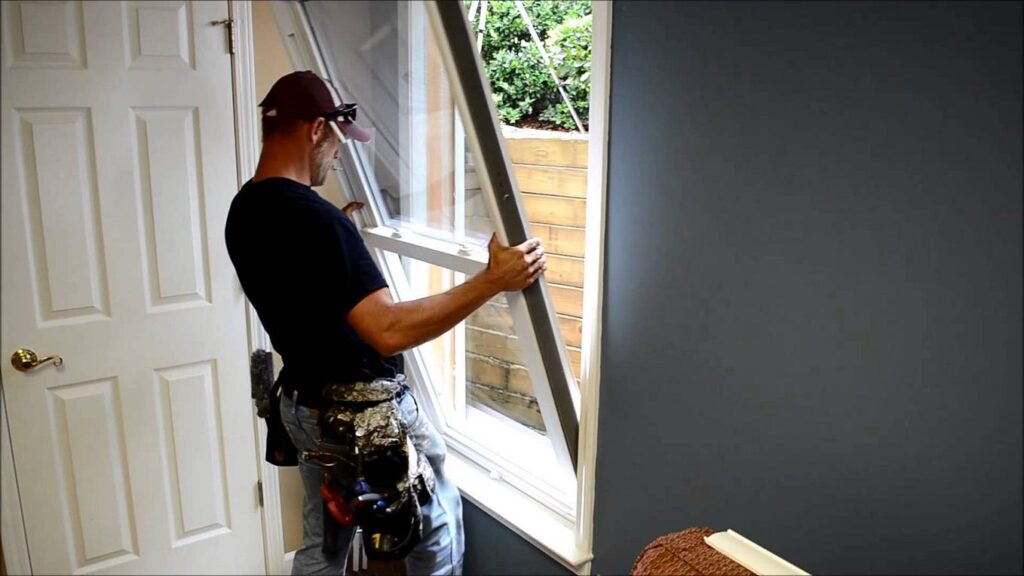
Replacing windows is a big investment, and doing it correctly ensures comfort, energy efficiency, and long-term durability. Professional Window Replacement Services can guide homeowners, but knowing the right techniques makes the process smoother. Here’s a homeowner-focused guide packed with practical tips for a successful window replacement project in Richmond.
Essential Tips Homeowners Should Follow During Window Replacement
Accurately Measure Every Window Opening
Measure the height, width, and depth of the existing window frames yourself and cross-check with a professional. Take multiple measurements at different points (top, middle, bottom) because walls and frames may not be perfectly square. Include allowances for insulation and trim. Double-checking ensures a perfect fit and avoids gaps, costly adjustments, or the need to reorder custom-sized windows.
Inspect Existing Frames for Damage
Check for rot, cracks, water damage, or warping before any replacement. Pay attention to signs of mold or past leaks, especially in older homes. Damaged frames may need a full-frame replacement rather than just an insert. Consulting a professional window replacement service in Richmond early allows them to plan repairs accurately, preventing leaks, misalignment, and structural issues while ensuring a smooth installation process.
Choose the Right Window Material for Your Home
Select materials (vinyl, wood, fiberglass, or aluminum) that suit your climate, maintenance preferences, and budget. Vinyl is low-maintenance and energy-efficient, wood provides classic beauty but requires more care, and fiberglass offers durability with minimal expansion or contraction. Understanding the benefits of each material helps homeowners choose a long-lasting solution tailored to their property and lifestyle.
Verify Contractor Credentials
Only hire licensed and insured Professional Window Replacement Services. Request references and photos of past work, check online reviews, and confirm that they specialize in your window type. A qualified contractor ensures correct installation, safe handling of glass, and adherence to building codes, protecting your home and investment.
Plan for Proper Placement and Orientation
Ensure windows are installed level, plumb, and square. Consider sunlight exposure to reduce energy costs—south-facing windows may benefit from tinted glass, while north-facing rooms may require better insulation. Correct orientation prevents condensation issues and maximizes natural light. Discuss the layout with your contractor for optimal performance and aesthetics.
Protect Interior and Exterior Surfaces
Cover floors, furniture, countertops, and outdoor landscaping with drop cloths. Remove blinds, curtains, and personal items near the work area. For exterior walls, protect plants and siding from scratches or chemicals. Taking these precautions prevents damage and makes cleanup faster, ensuring the project runs smoothly without causing accidental harm.
Handle Old Window Disposal Correctly
Old windows, especially glass panes, can be hazardous. Dispose of them responsibly to avoid injuries or environmental harm. Some companies recycle frames and glass. Removing broken glass safely and ensuring proper disposal keeps your property clean, reduces liability, and simplifies installation of the new units.
Check for Proper Insulation and Sealing
Ensure the installer uses high-quality caulking, weather stripping, and foam insulation where needed. Proper sealing prevents drafts, reduces energy loss, and protects against water intrusion. Inspect around the frame after installation to confirm that there are no gaps or cracks, which can compromise the performance of your new windows over time.
Inspect Hardware and Functionality
Test all latches, locks, handles, and hinges to ensure smooth operation. Windows that stick or don’t lock securely can be a safety hazard. Verify that sliding, casement, and tilt mechanisms function correctly. Functional hardware improves ease of use, security, and long-term durability, preventing early repairs or replacements.
Schedule a Final Walkthrough
Conduct a detailed walkthrough with your contractor after installation. Check that every window is level, properly sealed, and free from scratches or defects. Take note of any minor adjustments needed, such as tightening screws or adjusting alignment, and address them immediately. This ensures quality work and avoids future problems.
Consider Seasonal Timing for Replacement
Install windows during moderate weather. Avoid extreme heat, freezing temperatures, or high humidity, which can prevent caulking from curing properly. Spring or fall are ideal. Proper timing ensures adhesives, sealants, and insulation work as intended, resulting in longer-lasting performance and fewer energy issues.
Keep Documentation for Warranty and Maintenance
Keep all receipts, warranties, and installation documents. Note the date of installation, materials used, and any special instructions. Documentation is essential for future maintenance, claims, or warranty service. It also helps track when replacement or upgrades may be needed, giving homeowners peace of mind.
Conclusion
By following these hands-on window replacement tips, homeowners can avoid mistakes, protect their investment, and enjoy a smooth installation. Accurate measurements, careful frame inspection, correct material choice, and hiring the right Professional Window Replacement Services like Lewis Windows & Doors ensure durable, high-quality results. Proper planning and execution not only save time and money but also enhance comfort, security, and energy efficiency. For more information about energy-efficient window standards, visit U.S. Department of Energy – Windows, Doors, and Skylights.
FAQs
Q1: How often should I replace my windows?
Most windows last 15–25 years; replacement depends on damage, drafts, or efficiency loss.
Q2: Can I measure my windows myself?
Yes, but always double-check with professionals to ensure a precise fit and proper installation.
Q3: Are new windows energy efficient?
Modern windows with low-E coatings and proper insulation significantly improve energy savings.
Q4: Should I hire a licensed window replacement company?
Yes, licensed professionals ensure safe, compliant, and high-quality installation work.
Q5: Can damaged frames be repaired instead of replaced?
Minor damage may be repaired, but severe rot or warping usually requires full-frame replacement.