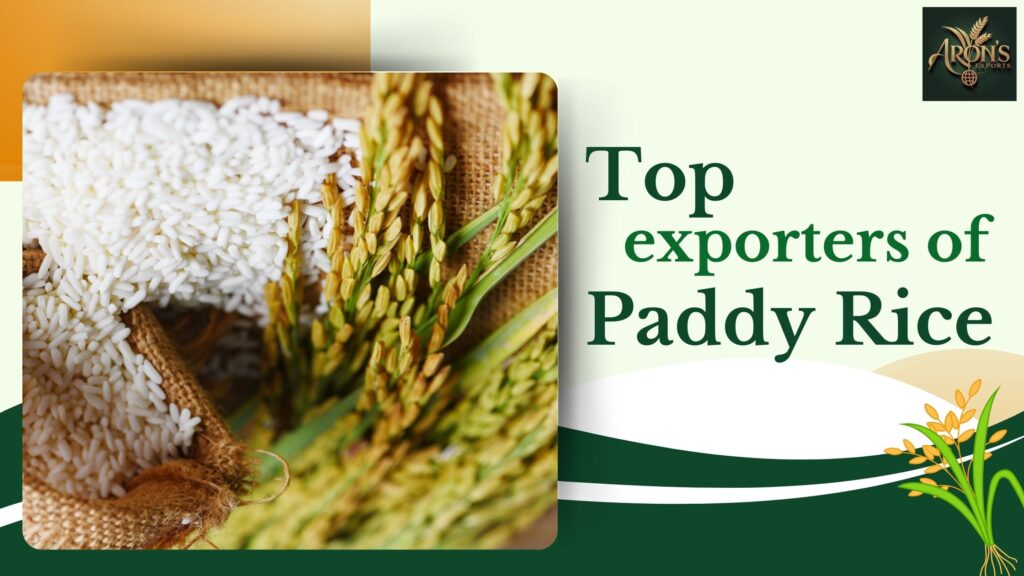
The global rice industry is highly competitive, with increasing demand for consistent quality, timely delivery, and regulatory compliance. In this evolving market, the Top Exporters of Paddy Rice stand apart by offering more than just supply. Their competitive advantages are built on strong sourcing networks, advanced quality control, efficient logistics, and deep market knowledge. These strengths enable them to serve international buyers reliably while maintaining long-term trade relationships.
At Aron Baijnauth, exporting paddy rice is guided by strategic planning, quality assurance, and customer-focused operations. Understanding what differentiates the top exporters helps buyers identify reliable partners in global trade.
Strong Agricultural Sourcing Networks
One of the primary advantages of the top exporters of paddy rice is their access to established and diverse sourcing networks. Strong relationships with farmers and producer groups ensure consistent supply across seasons and regions. This diversification reduces dependency on a single harvest area and minimizes supply risks caused by weather or regional disruptions.
Reliable sourcing also enables exporters to meet bulk demand without compromising quality. By working closely with farmers, top exporters promote best cultivation practices that enhance grain uniformity and yield.
Consistent Quality Control Systems
Quality consistency is a defining factor that separates leading exporters from average suppliers. The top exporters of paddy rice implement strict quality control protocols at every stage, from procurement to shipment. These include cleaning, grading, moisture testing, and visual inspection.
Laboratory testing for residue levels, grain purity, and microbial safety ensures compliance with importing country regulations. Consistent quality builds trust with international buyers and reduces the risk of shipment rejections or disputes.
Advanced Post-Harvest Processing Capabilities
Post-harvest handling plays a crucial role in maintaining paddy rice quality. Top exporters invest in modern cleaning, drying, and storage facilities that preserve grain integrity. Controlled drying helps maintain optimal moisture levels, preventing spoilage and breakage during milling.
Efficient storage systems with ventilation and pest control protect paddy rice during extended holding periods. These capabilities ensure that paddy rice maintains its commercial value from origin to destination.
Efficient Logistics and Supply Chain Management
Logistics efficiency is another major competitive advantage. The top exporters of paddy rice manage end-to-end supply chains, coordinating transportation, warehousing, and port operations. Timely deliveries are essential in international trade, where delays can affect market prices and buyer operations.
Exporters with strong logistics expertise reduce transit risks, manage documentation efficiently, and ensure smooth customs clearance. Reliable delivery schedules enhance buyer confidence and strengthen long-term partnerships.
Compliance with International Trade Regulations
Global trade in paddy rice requires strict adherence to food safety and phytosanitary regulations. The top exporters of paddy rice maintain comprehensive compliance systems that align with international standards. Proper documentation, traceability, and certification are integral to their operations.
Meeting regulatory requirements across multiple markets allows exporters to access diverse destinations without disruption. Compliance reduces trade barriers and ensures seamless market entry.
Market Intelligence and Pricing Strategy
Understanding global market trends is essential for maintaining competitiveness. Top exporters closely monitor supply-demand dynamics, trade policies, and consumer preferences. This market intelligence allows them to offer competitive pricing while maintaining quality standards.
Strategic pricing, combined with bulk supply capabilities, helps exporters attract long-term buyers. Transparent pricing structures also build trust and facilitate sustainable trade relationships.
Adaptability to Changing Buyer Requirements
The global rice market is influenced by changing consumer demands, sustainability concerns, and regulatory updates. Top exporters of paddy rice demonstrate adaptability by adjusting sourcing practices, quality parameters, and packaging options.
The ability to customize specifications based on buyer needs enhances exporter credibility. Flexible operations allow exporters to respond quickly to market changes and maintain relevance in competitive environments.
Focus on Sustainability and Responsible Trade
Sustainability has become a key differentiator in international agricultural trade. Leading exporters promote responsible farming practices, efficient water usage, and reduced environmental impact. Supporting sustainable agriculture enhances long-term supply stability and meets buyer expectations.
Responsible trade practices also include fair farmer engagement and transparent business operations. These elements strengthen exporter reputation and brand value in global markets.
Aron Baijnauth’s Competitive Export Approach
At Aron Baijnauth, the principles followed by the top exporters of paddy rice are integrated into daily operations. Through reliable sourcing, stringent quality checks, efficient logistics, and regulatory compliance, the company delivers consistent value to international buyers. This structured approach supports long-term partnerships and sustainable trade growth.
Conclusion
The competitive advantages of the top exporters of paddy rice are rooted in quality consistency, supply reliability, logistical efficiency, and regulatory expertise. These strengths allow exporters to navigate global market challenges while delivering dependable products to international buyers.
For businesses seeking trusted partners in the global paddy rice trade, working with experienced exporters like Aron Baijnauth ensures stability, transparency, and long-term success in an increasingly competitive marketplace.