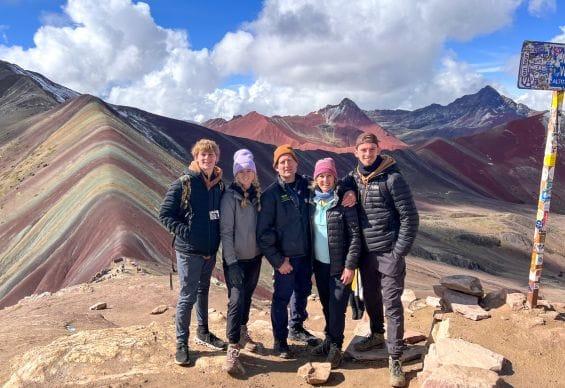
High-altitude trekking challenges both the body and mind. At elevations above 2,500 meters, reduced oxygen levels trigger physiological changes that affect breathing, heart rate, and endurance. Many travelers preparing for Andean adventures, including a Rainbow Mountain Peru day tour, notice these effects quickly. Understanding the science behind altitude and applying strategic preparation methods ensures both safety and enjoyment. Proper acclimatization, gradual pacing, and attention to hydration are key elements for trekking success in regions such as the Andes.
Physiological Effects of Altitude
As elevation increases, oxygen availability decreases, which reduces blood oxygen saturation. The body responds by increasing breathing rate and heart rate to compensate. Muscles may fatigue more quickly, and cognitive functions can temporarily decline. Symptoms such as headaches, dizziness, nausea, or shortness of breath are common during initial exposure. Recognizing these early signs allows travelers to adjust pace or rest appropriately. Even seasoned hikers can benefit from understanding that high-altitude environments place measurable strain on the cardiovascular and respiratory systems, affecting energy and endurance throughout activities like a Rainbow Mountain 2-day trek.

Acclimatization Strategies
Gradual exposure to altitude is essential. Arriving a few days early to adjust to elevations above 3,000 meters reduces the risk of acute mountain sickness. Activities should begin at a moderate effort and increase slowly. Frequent hydration and lighter meals support adaptation, while limiting alcohol and heavy exertion can prevent complications. Some trekkers use supplemental oxygen during strenuous sections or opt for shorter ascents initially. Guides often structure multi-day itineraries to maximize acclimatization, which is particularly beneficial for travelers joining a Rainbow Mountain and Red Valley tour or similar high-altitude excursions.
Training and Physical Preparation
Building cardiovascular endurance before departure improves performance and resilience. Hiking, running, or cycling at moderate intensity strengthens muscles and enhances oxygen utilization. Core strength supports stability on uneven trails, while leg strength reduces fatigue during steep ascents. Many trekkers incorporate breathing exercises to simulate low-oxygen conditions, though practical acclimatization remains more effective. Preparing physically ensures that participants on a Rainbow Mountain Cusco tour company program can enjoy trekking with less discomfort and maintain a consistent pace throughout their itinerary.
Nutrition and Hydration at Altitude
Eating smaller, more frequent meals helps maintain energy levels without overwhelming digestion. Carbohydrates are particularly effective for sustaining stamina, while moderate protein intake supports muscle repair. Hydration is critical, as increased breathing and perspiration at altitude lead to fluid loss. Electrolyte replacement can prevent cramping and maintain endurance. Warm beverages such as herbal teas can provide comfort and support thermoregulation. Observing dietary needs carefully improves adaptation and reduces fatigue during multi-day trips, including those combined with a Sacred Valley tour from Cusco.

Rest and Sleep Considerations
Sleep quality often declines at high altitude due to breathing irregularities or lower oxygen saturation. Scheduling rest days and ensuring adequate sleep helps the body adapt more efficiently. Avoiding overexertion during initial nights at altitude supports mental clarity and energy for daytime activities. Some travelers use simple techniques, such as elevating the head while sleeping or practicing relaxation exercises, to improve rest. Well-rested trekkers can sustain energy for longer treks like a Rainbow Mountain Peru day tour, minimizing discomfort and maximizing the overall experience.
Monitoring Health and Symptoms
Keeping track of physical condition is vital. Symptoms like persistent headaches, extreme fatigue, or nausea indicate the need for rest or descent. Trekkers should communicate openly with guides regarding discomfort or dizziness. Guides on trips such as a Rainbow Mountain in Cusco, Peru, can adjust pacing or recommend safer sections to maintain well-being. Knowledge of early warning signs and consistent monitoring ensures a safer trekking experience while protecting travelers from serious altitude-related conditions.
Planning and Logistics
High-altitude treks benefit from careful planning. Timing departures to allow acclimatization, organizing luggage for efficiency, and coordinating transportation to trailheads reduces stress. Selecting experienced guides familiar with altitude management ensures support throughout the trek. Incorporating rest stops and slower ascents helps maintain safety and enjoyment. Travelers who combine structured itineraries, like a Rainbow Mountain 2-day trek, with attentive planning can experience the Andes fully while minimizing physiological risks.

Psychological Preparedness
Mental resilience supports adaptation to high-altitude challenges. Setting realistic goals, remaining patient during slower ascents, and maintaining a positive outlook aid adjustment. Knowing the body may respond unpredictably at first prepares trekkers for temporary discomfort. Support from guides and fellow travelers enhances confidence and motivation. Psychological readiness complements physical preparation and is particularly important for multi-day adventures such as a Rainbow Mountain and Red Valley tour.
Prepare for Your High-Altitude Adventure
Understanding the science of high-altitude trekking allows travelers to anticipate challenges and respond effectively. Gradual acclimatization, proper nutrition, adequate rest, and ongoing health monitoring are essential for safety and enjoyment. Combining high-altitude awareness with guided trips, such as a Rainbow Mountain Peru day tour, private tour, or a Sacred Valley tour experience, ensures both comfort and fulfillment. For tailored guidance, planning support, and structured itineraries designed to maximize adaptation and enjoyment, Rainbow Mountain Expeditions provides expert assistance throughout every stage of your trek. Contact them today.
About the Author
Luz Torres is a travel and wellness writer specializing in high-altitude regions and Andean cultures. She has guided and documented treks across Peru for several years, focusing on safety, acclimatization, and cultural engagement. Luz’s work emphasizes understanding how the environment and physiology interact during travel. She believes careful preparation enhances both personal satisfaction and appreciation for local communities. Through her writing, Luz aims to make trekking accessible, informative, and rewarding for travelers of all experience levels.