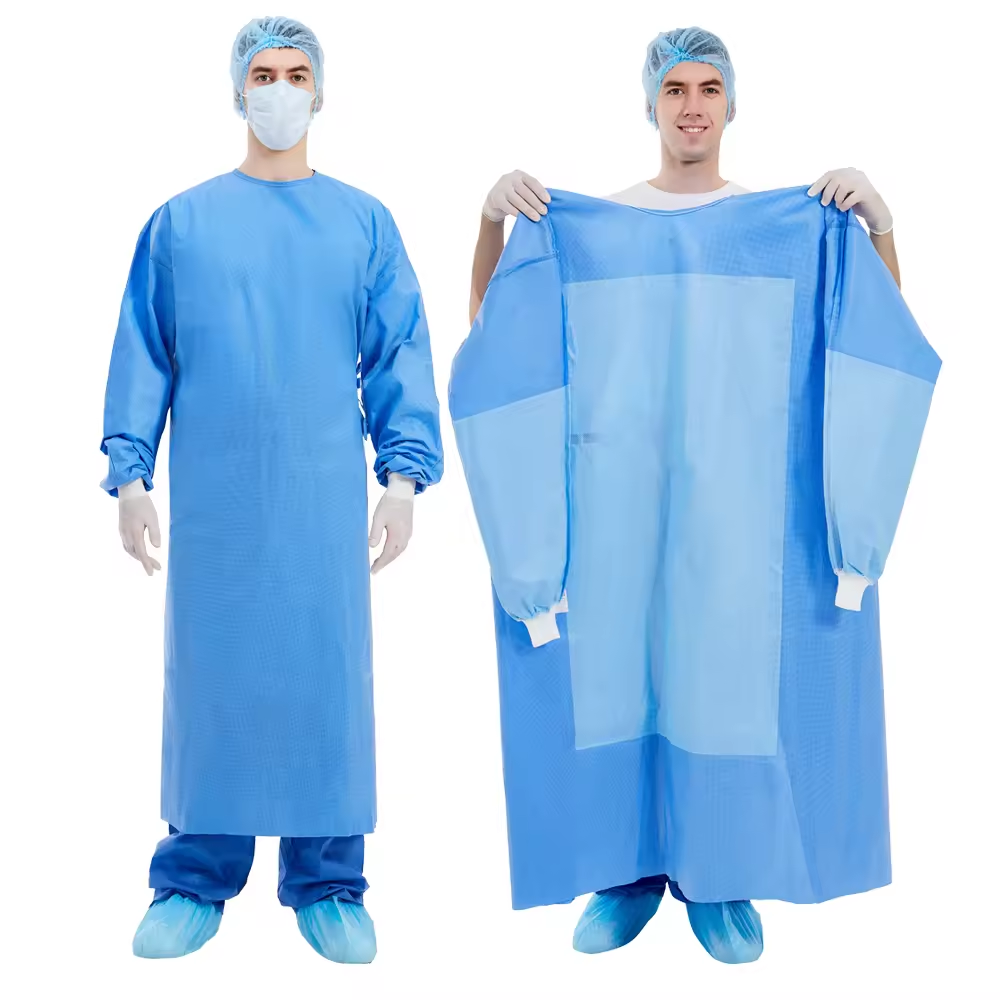
Surgical scrubs are specialised medical garments designed to maintain hygiene, ensure comfort, and support infection control for healthcare professionals. In Australia, high-quality surgical scrubs must meet strict clinical, safety, and workplace standards while offering durability, breathability, and professional appearance.
Introduction
Surgical scrubs are more than just uniforms. In hospitals, clinics, theatres, and medical centres across Australia, they play a critical role in patient safety, staff comfort, and professional identity. From surgeons and nurses to theatre technicians and allied health professionals, scrubs are worn for long shifts in demanding environments where hygiene and performance matter.
As healthcare standards continue to evolve in Australia, expectations around surgical scrubs have also changed. Today’s professionals look for garments that combine infection control, ergonomic design, durability, and modern aesthetics. This guide explores everything you need to know about surgical scrubs, from materials and compliance to fit, functionality, and purchasing considerations specific to the Australian healthcare system.
What Are Surgical Scrubs?
Surgical scrubs are medical clothing designed to be worn in sterile or semi-sterile environments. They typically include a scrub top and scrub pants, made from fabrics that can withstand frequent high-temperature washing while maintaining comfort and structure.
Unlike general medical uniforms, surgical scrubs are specifically engineered for operating theatres and clinical settings where contamination control is essential. Their simple design minimises places where bacteria can accumulate, while their fabric composition supports cleanliness and breathability.
Importance of Surgical Scrubs in Healthcare Settings
Infection Control and Hygiene
In Australia, infection prevention is a top priority within healthcare facilities. Surgical scrubs act as a barrier between healthcare workers and contaminants. They are designed to be changed regularly, reducing the risk of cross-contamination between patients and departments.
Professional Identity and Trust
Uniforms shape perception. Clean, well-fitted surgical scrubs project professionalism and competence, reinforcing patient confidence. In Australian hospitals and private clinics, colour-coded scrubs are often used to identify roles and departments efficiently.
Comfort During Long Shifts
Healthcare professionals often work shifts lasting 10 to 14 hours. Poor-quality scrubs can cause discomfort, overheating, and restricted movement. High-quality surgical scrubs support mobility and reduce fatigue during physically demanding procedures.
Types of Surgical Scrubs
Standard Surgical Scrubs
These are commonly used in operating theatres and include basic tops and trousers with minimal detailing. Their focus is functionality, sterility, and ease of laundering.
Antimicrobial Surgical Scrubs
Many Australian healthcare facilities prefer scrubs treated with antimicrobial technology. These fabrics help inhibit bacterial growth, adding an extra layer of protection between washes.
Disposable Surgical Scrubs
Used in high-risk environments or during specific procedures, disposable scrubs are designed for single use. They are common in emergency settings and specialised surgical units.
Reusable Surgical Scrubs
The most widely used option across Australia. These scrubs are designed for repeated washing without degrading fabric quality or colour integrity.
Fabric Choices for Surgical Scrubs
Choosing the right fabric is essential for performance, comfort, and compliance.
Cotton Blends
Cotton-rich scrubs are breathable and soft, making them suitable for long shifts. However, they may wrinkle easily and take longer to dry.
Polyester Blends
Polyester blends are popular in Australian hospitals due to their durability, wrinkle resistance, and ability to withstand industrial laundering.
Spandex-Enhanced Fabrics
Modern surgical scrubs often include stretch fibres for improved flexibility. These are ideal for surgeons and nurses who require unrestricted movement.
Moisture-Wicking Materials
In warmer Australian climates, moisture-wicking scrubs help regulate body temperature and reduce discomfort during extended procedures.
Compliance and Standards in Australia
Australian healthcare uniforms must meet workplace health and safety requirements as well as infection control guidelines.
Key considerations include:
-
Ability to withstand high-temperature washing
-
Colour fastness after repeated laundering
-
Fabric durability under industrial conditions
-
Appropriate fit to avoid workplace hazards
Hospitals and clinics often have internal policies governing scrub colour, style, and branding to maintain consistency and compliance.
Fit and Design Considerations
Tailored vs Relaxed Fit
Modern surgical scrubs in Australia are moving away from boxy designs. Tailored fits improve appearance without compromising comfort, while relaxed fits offer ease of movement for high-intensity roles.
Unisex and Gender-Specific Options
Many suppliers now offer both unisex scrubs and gender-specific designs. Gender-specific surgical scrubs provide better fit, improved mobility, and enhanced comfort.
Pockets and Practical Features
Pockets are essential for carrying tools, pens, and small equipment. Common features include:
-
Chest pockets
-
Cargo pockets
-
Hidden internal pockets
-
Side vents for airflow
Colour Coding in Australian Healthcare
Colour-coded surgical scrubs help identify departments and roles quickly, especially in large hospitals.
Common colour practices include:
-
Blue or green for operating theatre staff
-
Navy for nurses
-
Grey or black for senior clinicians
-
Custom colours for private practices
While not legally mandated, colour policies improve efficiency and reduce confusion in busy clinical environments.
Sustainability and Ethical Manufacturing
Sustainability is becoming increasingly important in Australia’s healthcare sector. Many organisations now prioritise eco-conscious surgical scrubs made from recycled fibres or produced using ethical manufacturing processes.
Benefits include:
-
Reduced environmental impact
-
Improved brand reputation for healthcare providers
-
Long-term cost efficiency through durable materials
How to Choose the Right Surgical Scrubs
When selecting surgical scrubs, healthcare professionals should consider:
-
Work Environment
Operating theatres require stricter compliance than general wards or clinics. -
Climate and Comfort
Lightweight, breathable fabrics are ideal for Australia’s warmer regions. -
Durability
Scrubs should maintain shape and colour after frequent washing. -
Fit and Mobility
Stretch fabrics and ergonomic designs reduce strain during long shifts. -
Employer Guidelines
Always follow hospital or clinic uniform policies.
Care and Maintenance of Surgical Scrubs
Proper care extends the life of surgical scrubs and ensures hygiene standards are maintained.
Best practices include:
-
Washing at recommended temperatures
-
Avoiding fabric softeners that reduce absorbency
-
Separating scrubs from everyday clothing
-
Replacing scrubs that show wear or fading
Australian healthcare facilities often use industrial laundering, but individual professionals should still follow care instructions carefully.
Trends in Surgical Scrubs
The medical uniform industry is evolving rapidly. Key trends in Australia include:
-
Modern, minimalist designs
-
Performance fabrics with stretch and breathability
-
Inclusive sizing options
-
Subtle branding and embroidery
-
Improved tailoring for professional appearance
These innovations aim to support both function and morale among healthcare workers.
FAQs: Surgical Scrubs
What makes surgical scrubs different from regular medical uniforms?
Surgical scrubs are designed specifically for sterile or controlled environments, focusing on infection control, easy laundering, and minimal contamination risk.
How often should surgical scrubs be replaced?
In Australia, scrubs should be replaced when fabric thins, fades, or no longer meets hygiene standards. Frequent replacement ensures safety and professionalism.
Are surgical scrubs mandatory in operating theatres?
Yes, most Australian hospitals require approved surgical scrubs in operating theatres to meet infection control protocols.
Can healthcare workers wear surgical scrubs outside the hospital?
Many facilities discourage wearing scrubs outside clinical settings to prevent contamination and protect public health.
What fabric is best for surgical scrubs in Australia?
Polyester-cotton blends with moisture-wicking properties are ideal due to durability, comfort, and suitability for local climates.
Final Thoughts
Surgical scrubs Australia are a vital part of Australia’s healthcare ecosystem. They support infection control, enhance professional identity, and improve comfort during demanding shifts. As expectations rise across hospitals, clinics, and surgical centres, investing in high-quality, compliant surgical scrubs is no longer optional.
By understanding fabric choices, compliance standards, fit options, and care practices, healthcare professionals can make informed decisions that benefit both their performance and patient safety. In a fast-paced medical environment, the right surgical scrubs make a meaningful difference every single day.