Shipping a car across states can be a complex process, and one of the first questions people ask is, “How much will it cost?” Understanding a car shipping estimate is essential before you schedule your vehicle transport. In this guide, we’ll break down the factors that determine car shipping costs in the USA and show you how to calculate a reliable estimate, with tips from First Haulers, a trusted nationwide auto transport company.
Why Understanding Car Shipping Estimates Matters
A car shipping estimate is more than just a number—it helps you plan your budget, compare transport services, and choose the best options for your move. Getting an accurate estimate ensures:
-
No Surprises: Avoid unexpected charges or fees on delivery day.
-
Better Planning: Helps coordinate your move efficiently.
-
Safer Budgeting: Decide between open vs. enclosed transport based on your budget.
-
Peace of Mind: Know your car will be handled by professionals without hidden costs.
Step 1: Identify Your Transport Type
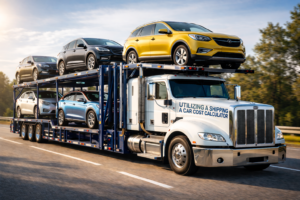
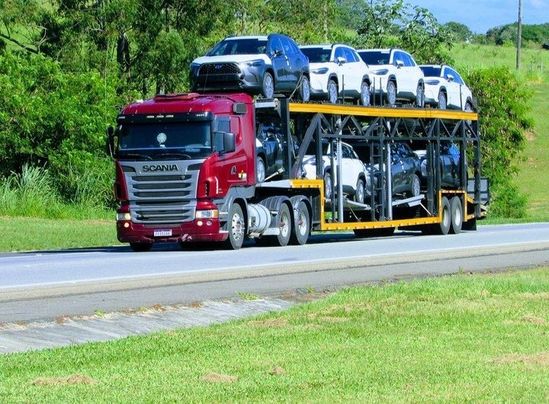
The type of car transport you choose has a major impact on your shipping estimate. There are two main options:
-
Open Transport:
-
The most common and affordable choice.
-
Your car is exposed to weather and road conditions.
-
Ideal for standard cars in good condition.
-
-
Enclosed Transport:
-
Provides maximum protection from elements, dust, and debris.
-
Recommended for luxury, classic, or high-value vehicles.
-
Slightly more expensive than open transport.
-
Knowing which transport type you need is the first step in calculating a car shipping estimate.
Step 2: Consider the Distance
Distance is one of the biggest factors affecting shipping costs. Long-distance shipments cost more because of fuel, driver time, and logistics. To estimate:
-
Calculate the miles between your pickup and delivery locations.
-
Keep in mind that coast-to-coast moves, like from California to New York, will be significantly more expensive than shorter interstate shipments.
Longer distances usually result in higher estimates, but they can also allow companies to plan efficient routes, sometimes reducing the cost slightly per mile.
Step 3: Factor in Vehicle Size and Weight
Your vehicle’s size and weight directly influence the shipping estimate:
-
Small Cars: Less expensive to transport due to lower weight and space requirements.
-
SUVs & Trucks: Higher shipping costs due to larger size and heavier weight.
-
Luxury or Oversized Vehicles: May require specialized transport, increasing the cost.
Always include your car’s specifications when requesting a quote to get an accurate estimate.
Step 4: Evaluate Timing and Season
The time of year can impact your car shipping estimate:
-
Peak Season (May–September): High demand may increase costs.
-
Off-Peak Season (October–April): Lower demand can result in cheaper rates.
-
Expedited Shipping: Faster delivery timelines typically cost more than standard schedules.
Scheduling your shipment strategically can save money while still ensuring timely delivery.
Step 5: Check Additional Fees
Some costs may not be included in the base estimate. Watch for:
-
Insurance coverage: Standard insurance may be included, but extra coverage can increase costs.
-
Pickup/Delivery Locations: Residential or remote locations may incur extra fees.
-
Vehicle Condition: Non-operable or heavily modified vehicles may require additional handling.
-
Storage Fees: If delivery timing isn’t flexible, storage at the carrier’s terminal may be required.
Understanding these factors ensures your car shipping estimate is realistic and comprehensive.
Step 6: Request Multiple Quotes
Getting quotes from several auto transport companies is essential to understanding the market rate. Consider:
-
Comparing quotes from at least 3–5 companies.
-
Checking what’s included in the estimate.
-
Looking at customer reviews and company reliability.
Companies like First Haulers provide accurate estimates with transparent pricing, ensuring no hidden fees and high-quality service.
Step 7: Use Online Calculators
Many car shipping companies, including First Haulers, offer online calculators to estimate costs instantly. To use these calculators effectively:
-
Input your pickup and delivery ZIP codes.
-
Enter your vehicle type, make, and model.
-
Choose open or enclosed transport.
-
Select any special requirements (e.g., non-operable vehicle).
This gives a realistic car shipping estimate and helps you plan your budget.
Tips for Getting the Most Accurate Car Shipping Estimate
-
Be Honest About Vehicle Condition: Fully disclose any mechanical issues.
-
Book in Advance: Early scheduling often results in lower rates.
-
Ask About Insurance: Understand what is included and whether supplemental coverage is needed.
-
Compare Transport Types: Weigh cost vs. protection for your vehicle.
Conclusion
Calculating a car shipping estimate doesn’t have to be complicated. By understanding transport type, distance, vehicle size, seasonality, and additional fees, you can get an accurate estimate for your move. Working with a reliable company like First Haulers ensures that your vehicle is transported safely, professionally, and on time, with no hidden surprises.
Whether you’re shipping across state lines or coast-to-coast, this step-by-step guide helps you plan, budget, and make informed decisions for your car shipping needs in 2026.