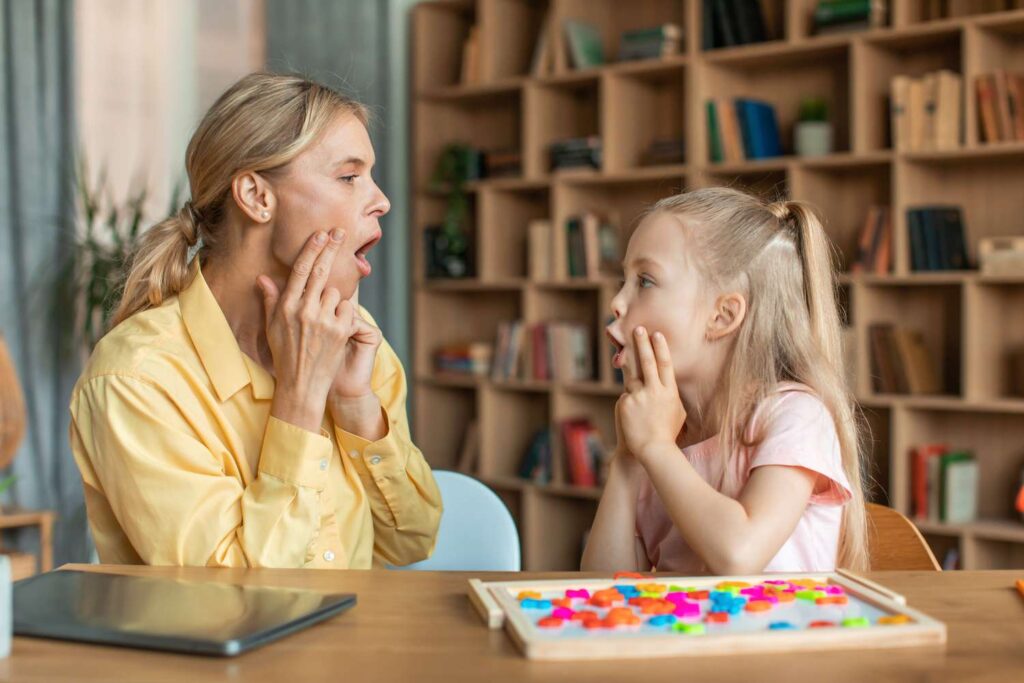
Every child learns to communicate at their own pace, but speech and language development are essential parts of growing up. Communication helps children share their feelings, ask questions, learn new things, and build relationships with others. Sometimes, children may face difficulties with pronunciation, understanding words, or expressing their thoughts clearly. In such situations, speech therapy can provide the support they need to develop stronger communication skills.
What Speech Therapy Means for Children
Speech therapy is a professional approach that focuses on improving a child’s ability to speak, understand language, and communicate effectively. Specialists who work in this field carefully evaluate a child’s communication challenges and create activities that suit their individual needs. These sessions are often designed to be engaging and interactive so children feel comfortable while learning and practicing new skills.
During therapy, children may participate in activities such as sound practice, word-building exercises, storytelling, and conversational tasks. These methods help children gradually improve how they speak and understand language in everyday situations.
How Speech Therapy Helps in Daily Communication
Children who receive speech therapy often learn how to pronounce words more clearly and organize their thoughts while speaking. They also develop better listening and comprehension abilities, which helps them understand conversations and instructions more easily. As these skills improve, children find it easier to express themselves at home, in school, and with their friends.
Speech therapy also supports children who struggle with forming sentences, expanding their vocabulary, or maintaining conversations. With regular practice and guidance, children become more confident in using language to communicate their ideas.
Benefits Children Experience Through Speech Therapy
One of the most noticeable benefits of speech therapy is clearer speech. When children learn how to pronounce sounds correctly, others can understand them more easily. This improvement often leads to better social interactions and stronger relationships with peers.
Another important benefit is increased confidence. Children who once felt hesitant to speak may become more comfortable participating in conversations and classroom activities. As their communication improves, they often feel more positive about sharing their thoughts and asking questions.
Speech therapy can also contribute to a child’s academic growth. Language skills are closely connected to reading, writing, and understanding instructions in school. When communication becomes easier, children are better prepared to participate in learning activities and express their knowledge.
Importance of Early Guidance
Providing support at an early stage can make a big difference in how quickly children improve their speech and language skills. Early intervention allows children to build strong communication habits while their learning abilities are still developing. Addressing challenges sooner rather than later helps prevent communication difficulties from affecting their confidence or educational progress.
Helping Children Practice at Home
Parents and caregivers play a significant role in encouraging speech development. Simple daily interactions such as talking about everyday activities, reading books together, asking open-ended questions, and encouraging children to describe their experiences can strengthen their language skills. When families actively participate in a child’s learning process, the progress made during therapy sessions becomes even more effective.
Conclusion
Speech therapy provides children with the guidance and tools they need to develop clear and confident communication. With the help of skilled professionals and supportive families, children can overcome speech challenges and build strong language skills that benefit them throughout their lives.
If you are looking for speech therapy in Jalandhar, contact TheBrightHorizon to get professional support for your child’s speech and language development.