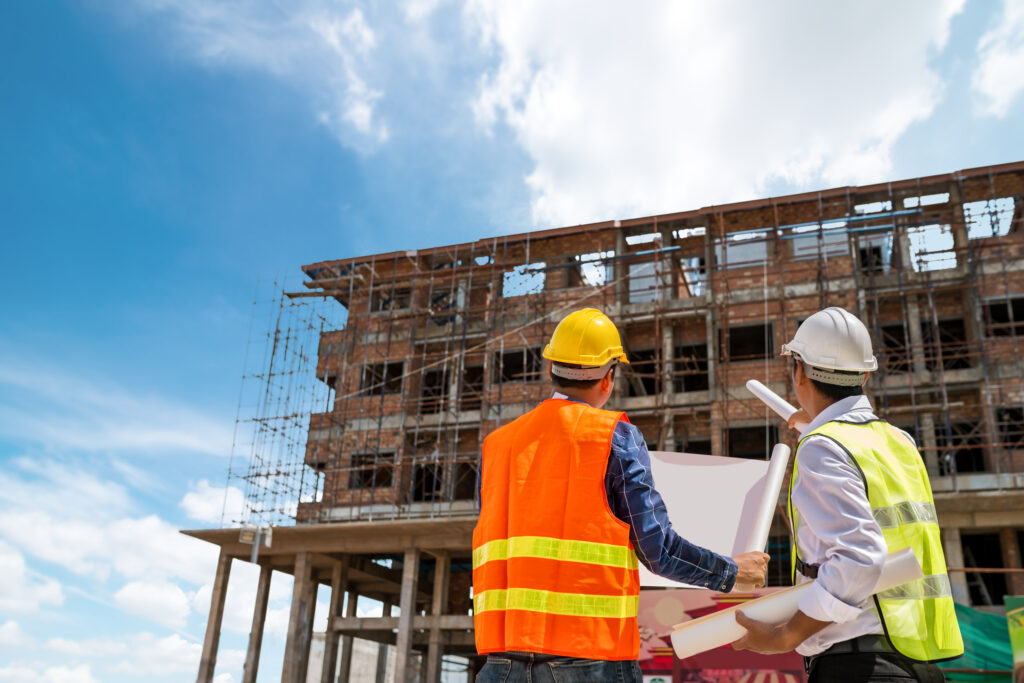
Professionals leveraging digital-first planning and real-time data sync, a hallmark of smart construction trends 2026 on modern job sites.
Introduction
Smart construction trends 2026 are redefining the residential construction industry as homeowners increasingly demand innovative, energy-efficient, and future-ready living spaces. Rising energy costs, environmental concerns, and evolving lifestyles are pushing builders and developers to rethink traditional construction approaches. With the integration of advanced materials, digital technologies, and efficient building methods, modern homes are not only more functional but also sustainable and durable. These trends highlight the key innovations that are shaping residential projects, increasing long-term property value, and ensuring compliance with modern building regulations.
Sustainable and Low-Carbon Building Materials
One of the most prominent smart construction trends 2026 is the focus on sustainable, low-carbon building materials. Builders are now adopting recycled steel, low-carbon concrete, engineered timber, and eco-friendly insulation solutions to reduce environmental impact. These materials not only improve energy efficiency but also increase the longevity of residential buildings. Sustainable materials contribute to thermal efficiency, minimize carbon footprints, and help homeowners achieve compliance with increasingly strict building regulations.
Additionally, new innovations such as cross-laminated timber (CLT) and hempcrete are becoming more popular, offering renewable alternatives that are both lightweight and strong. The use of such materials demonstrates a growing commitment to environmental stewardship and future-proof construction practices.
Smart Home Integration from the Start
Early integration of smart technology has become a hallmark of smart construction trends 2026. Unlike traditional homes where automation is an afterthought, modern homes now feature fully integrated systems during the design and construction phase. This includes automated lighting, climate control, advanced security systems, and energy monitoring solutions.
Integrating smart technologies from the start not only improves convenience and safety but also reduces long-term installation and maintenance costs. Homeowners can control lighting, heating, and appliances remotely, optimizing energy usage and creating a more comfortable living environment. As smart devices evolve, they are increasingly connected to AI-driven systems that adapt to occupants’ habits, further enhancing efficiency and sustainability.
Energy-Efficient Design and Passive Construction
Energy efficiency remains at the core of modern residential building, making it a key element of smart construction trends 2026. Passive construction principles, such as airtight building envelopes, high-performance insulation, and advanced glazing systems, significantly reduce heat loss. These measures help maintain consistent indoor temperatures year-round, reducing energy consumption and lowering utility bills.
Beyond cost savings, energy-efficient homes improve indoor air quality and overall occupant comfort. Many homeowners are now seeking certifications like Passivhaus or BREEAM, which highlight the environmental performance of a building. By integrating these standards into residential design, builders align with both regulatory requirements and consumer demand for sustainable, high-performance homes.
Modular and Prefabricated Construction Methods
The use of modular and prefabricated construction techniques is expanding rapidly, forming another core pillar of smart construction trends 2026. Prefabrication involves manufacturing sections of a building in controlled factory environments, which are then assembled on-site. This process improves quality control, reduces waste, and accelerates construction timelines.
Modular construction also minimizes on-site disruption and is particularly valuable in urban areas where space is limited. It allows homeowners and developers to complete projects faster, without sacrificing structural integrity or design flexibility. The trend reflects a broader shift toward efficiency, sustainability, and innovation in modern residential construction.
Advanced Groundworks and Structural Engineering
Strong foundations and precise engineering are fundamental to long-lasting homes, making them central to smart construction trends 2026. Proper groundwork planning ensures stability, effective drainage, and resistance to soil movement or settlement. Collaborating with trusted structural design and groundworks experts guarantees that residential properties remain safe and durable over time.
Advanced engineering techniques, such as reinforced concrete foundations, piled supports, and soil stabilization methods, help mitigate risks associated with different soil conditions. Investing in professional structural planning early in the project reduces potential future costs and ensures compliance with building regulations.
Digital Construction Planning and 3D Modelling
Digital tools have transformed the way homes are designed and built. Building Information Modelling (BIM) and 3D modelling allow builders and homeowners to visualize projects in detail before construction begins, minimizing errors and improving collaboration. These technologies form a critical part of smart construction trends 2026, enabling precise planning, cost estimation, and efficient project management.
Digital planning also supports sustainability, as it allows architects and engineers to simulate energy performance, material usage, and environmental impact. By detecting potential issues early, builders can make informed decisions that enhance both efficiency and safety throughout the construction process.
Durable Substructures and Professional Site Preparation
High-quality site preparation and durable substructures remain essential in modern residential construction. Proper excavation, reinforced foundations, and efficient drainage systems ensure long-term structural integrity. Choosing professional groundworks construction services protects homes from common issues such as water damage, uneven settlement, and foundation failure.
Professional site preparation is not only about stability—it also ensures that other construction processes, such as framing, plumbing, and electrical installation, proceed smoothly. As a result, the home is better equipped to withstand environmental stressors while remaining energy-efficient and resilient for decades.
Conclusion
The future of residential construction is defined by sustainability, technological integration, and precision engineering. By embracing smart construction trends 2026, homeowners and developers can create energy-efficient, future-ready homes that deliver long-term performance, comfort, and value. These trends combine innovation, material advancements, and digital tools to meet the evolving expectations of modern homeowners, ensuring that residential projects are both environmentally responsible and commercially viable.