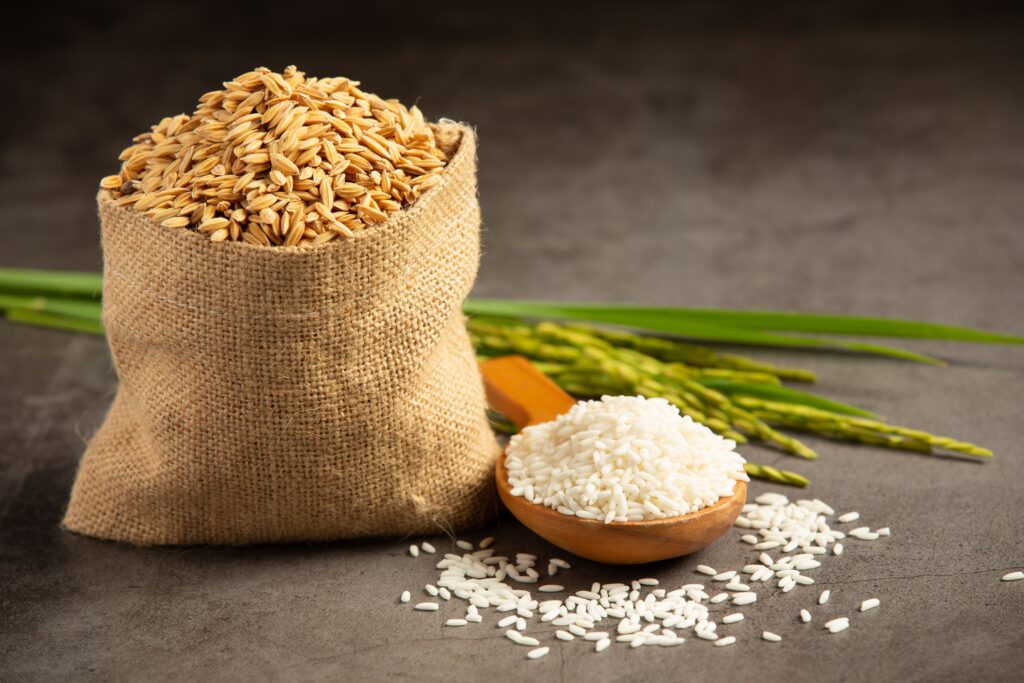
If you’ve ever worked in food imports, you already know this. Choosing from the many rice exporting companies in India isn’t just about price. It’s about trust, consistency, and knowing what will arrive at your port months later. That decision carries weight, especially when rice is a staple in your market and expectations are high.
India has earned its place as a global rice leader for a reason. The country grows rice with history, skill, and scale. But here’s the thing. Not every exporter operates the same way. Some focus on volume alone. Others focus on relationships, quality, and long-term supply. And buyers feel that difference very quickly.
Why Rice Exporting Companies in India Matter Globally
India supplies rice to over 150 countries. That’s not a small claim. From basmati served at weddings to non-basmati feeding large populations, Indian rice travels far. Buyers depend on Indian exporters to meet demand without compromising quality.
What sets India apart is variety. The climate supports different grains across regions. Punjab and Haryana lead basmati production. Eastern states supply non-basmati varieties. This diversity allows rice exporting companies in India to serve many markets at once.
But scale alone doesn’t build trust. Execution does. Buyers want assurance that what they order is exactly what they receive. That’s where experienced exporters stand apart.
What Buyers Expect From Rice Exporting Companies in India
Global buyers have become sharper over the years. They ask more questions. They compare suppliers. They look beyond marketing words. And honestly, that’s a good thing.
They usually expect:
- Consistent grain quality across shipments
- Clear grading and sorting standards
- Clean packaging and proper labeling
- Transparent pricing and documentation
- On-time shipment and communication
When exporters deliver these basics well, relationships grow naturally. Miss one detail, and trust takes a hit. This is why seasoned rice exporting companies invest heavily in process, not just promotion.
The Role of Quality Control in Rice Exports
Quality isn’t checked once. It’s checked again and again. That’s how serious exporters work.
From paddy selection to milling, sorting, and packing, every step matters. Moisture levels must stay within limits. Broken grains must match agreed percentages. Color, aroma, and grain length are closely watched.
Why Process Matters More Than Promises
Here’s the funny thing. Many exporters promise premium quality. Fewer can maintain it shipment after shipment. Real quality comes from controlled sourcing and consistent handling.
Strong rice exporting companies in India often work closely with farmers. They guide cultivation practices. They monitor harvest timing. This reduces surprises later.
It’s not flashy. But it works.
Basmati and Non-Basmati: Serving Different Markets
Not every market wants basmati. And not every buyer understands that difference clearly.
Basmati rice is valued for aroma, length, and taste. It’s popular in the Middle East, Europe, and premium segments. Non-basmati rice focuses more on affordability and volume. Africa and parts of Asia rely heavily on it.
Reliable rice exporting companies in India understand both segments well. They don’t push the same product everywhere. They listen first, then recommend.
Matching Rice Types With Buyer Needs
This is where experience shows. A good exporter asks questions like:
- What cooking style does your market prefer?
- Do consumers value aroma or softness more?
- Is shelf life or price the bigger concern?
These conversations prevent mistakes. And trust me, they save money long-term.
Documentation and Compliance Can’t Be Ignored
Paperwork may sound boring, but it’s critical. Export certificates, quality reports, phytosanitary documents, and shipping papers must be accurate.
Delays at ports hurt everyone. Buyers lose time. Exporters lose credibility. That’s why established rice exporting companies in India treat compliance seriously.
They know rules differ by country. They stay updated. They double-check details. It’s not exciting work, but it keeps shipments moving.
Why Buyers Prefer Long-Term Export Partners
Short-term deals happen. But most buyers prefer long-term relationships. It reduces risk. It simplifies planning. It creates stability.
When buyers work repeatedly with the same rice exporting companies in India, they gain predictability. Pricing becomes clearer. Quality becomes familiar. Communication becomes easier.
This is where companies like Muskan Overseas focus their energy. Not just on selling rice, but on building dependable supply partnerships that last.
How Muskan Overseas Approaches Rice Exports
At Muskan Overseas, rice export isn’t treated as a transaction. It’s treated as a responsibility. Each shipment represents the company’s name in a new market.
The team works closely with trusted mills and sourcing partners. Quality checks happen before packing, not after complaints. Buyers receive honest timelines and realistic commitments.
That approach may not attract quick deals. But it builds something stronger. Long-term trust.
Challenges Faced by Rice Exporting Companies in India
Exporting rice isn’t always smooth. Weather changes affect harvests. Global prices fluctuate. Shipping costs rise unexpectedly.
The thing is, challenges reveal professionalism. Strong exporters communicate early. They offer alternatives. They don’t disappear when problems arise.
Buyers remember that behavior. And they reward it with loyalty.
Choosing the Right Rice Export Partner
If you’re evaluating rice exporting companies in India, don’t rush. Ask questions. Request samples. Understand their process.
Look for clarity, not perfection. A transparent exporter who explains limits is better than one who promises everything.
And honestly, trust your instincts. If communication feels vague early, it rarely improves later.
Final Thoughts on Rice Exporting Companies in India
India’s rice export industry continues to grow because the world relies on it. But success isn’t built only on quantity. It’s built on care, consistency, and credibility.
The best rice exporting companies in India understand this deeply. They focus on quality first. They respect buyers’ needs. And they build partnerships, not just invoices.
If you’re looking for a dependable export partner, start with those values. Everything else follows.