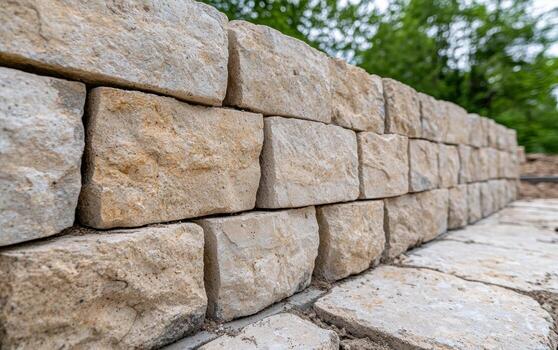
A sturdy retaining wall built with natural stone blocks provides both structural support and rustic aesthetic appeal.
7 Powerful Benefits of Retaining Walls in Construction You Must Know
Retaining walls in construction are essential structures designed to hold back soil, prevent erosion, and create level areas on sloped land. From residential landscaping to commercial developments and highway projects, retaining walls play a critical role in property stability, safety, and long-term durability.
Professional contractors carefully evaluate soil type, water drainage, and structural load before designing and installing retaining walls. This ensures walls withstand pressure, prevent structural failure, and last for decades. For specialized civil and structural services, companies like STR DRA provide expert guidance and consultancy for retaining wall projects.
7 Powerful Benefits of Retaining Walls in Construction
-
Prevent Soil Erosion – Retaining walls protect slopes from erosion caused by rain, landscaping, or nearby construction. By keeping soil in place, they reduce the risk of landslides and property damage.
-
Increase Usable Space – Sloped land can be challenging to use. Retaining walls create level terraces that can accommodate gardens, patios, driveways, or outdoor entertainment areas.
-
Enhance Property Safety – Properly engineered retaining walls prevent soil collapse, which could otherwise damage buildings, roads, or landscaping features. This is especially important for properties on steep terrain.
-
Improve Aesthetic Appeal – Retaining walls can be customized with stone, timber, or brick to complement the property’s design. They add elegance while serving a practical function.
-
Support Landscaping Features – Raised flower beds, pathways, and decorative terraces are easier to install and maintain with retaining walls, enhancing overall landscape design.
-
Boost Property Value – Well-designed retaining walls increase usable space, improve safety, and enhance aesthetics, which can significantly boost property value.
-
Prevent Long-Term Maintenance Issues – By controlling soil movement and water drainage, retaining walls reduce erosion and structural problems, saving time and money on future repairs.
For more construction guides and insights on groundworks and retaining wall projects, visit XuzPost.
Types of Retaining Walls in Construction Projects
-
Gravity Walls – Rely on their own weight to hold soil back, ideal for smaller slopes.
-
Cantilevered Walls – Reinforced concrete walls that support higher loads efficiently.
-
Sheet Piling Walls – Suitable for tight spaces and water-logged soil, often used in commercial projects.
-
Anchored Walls – Secured with cables or rods for extra stability on challenging terrain.
-
Gabion Walls – Wire baskets filled with stones combine strength with natural aesthetics.
Installation Tips and Best Practices
-
Conduct a soil survey to select the most suitable retaining wall type.
-
Include proper drainage systems to prevent water buildup behind the wall.
-
Use high-quality materials to ensure durability and reduce maintenance.
-
Hire professional contractors for safe and precise installation.
Pro Tip: Incorporating retaining walls early in the project saves time, improves efficiency, and avoids costly rework.
Frequently Asked Questions (FAQs)
-
Why are retaining walls important in construction?
They prevent soil erosion, improve safety, and create usable land on slopes. -
What materials are commonly used?
Concrete, bricks, timber, natural stone, and gabions. -
How tall can retaining walls be safely built?
Height depends on soil type, wall design, and engineering specifications. -
Is drainage necessary?
Yes, drainage prevents water buildup and potential wall failure. -
Can homeowners build retaining walls themselves?
Small DIY walls are possible, but professional installation is recommended for taller or complex walls. -
How much does a retaining wall cost?
Costs vary depending on height, materials, and labor. Professional quotes are advised. -
How long do retaining walls last?
With proper construction and maintenance, walls can last 25–50 years or more. -
Are retaining walls safe for residential use?
Yes, when designed and installed correctly. -
Can retaining walls be decorative?
Absolutely, they can be customized with textures, colors, and landscaping features. -
What maintenance is required?
Regular inspections for cracks, drainage issues, and erosion are recommended.
Final Thoughts
Retaining walls in construction are vital for combining safety, functionality, and visual appeal. Properly designed and installed walls prevent erosion, enhance landscaping, create usable space, and increase property value. Whether you’re planning residential or commercial projects, investing in professional retaining wall services ensures long-term durability.
Explore expert services at STR DRA and learn mor
e construction insights at XuzPost.