Remote Patient Monitoring: Transforming Continuous and Connected Healthcare
Remote patient monitoring has emerged as a powerful innovation in modern healthcare, enabling providers to track patient health outside traditional clinical settings. As healthcare systems worldwide face increasing pressure from rising chronic diseases, aging populations, and limited clinical resources, technology-driven solutions are becoming essential. Remote patient monitoring allows healthcare professionals to collect real-time patient data, monitor health trends, and intervene early when risks arise.
By shifting care from hospitals to homes, remote patient monitoring improves access, enhances patient engagement, and supports proactive healthcare delivery. It is redefining how care is managed, making healthcare more efficient, personalized, and sustainable in an increasingly digital world.
Understanding Remote Patient Monitoring
Remote patient monitoring refers to the use of digital technologies to gather medical and health-related data from patients outside healthcare facilities and transmit that data securely to providers. This data often includes vital signs such as heart rate, blood pressure, glucose levels, oxygen saturation, and physical activity metrics.
The primary purpose of remote patient monitoring is to extend clinical oversight beyond in-person visits. Instead of relying solely on periodic appointments, providers gain continuous insight into a patient’s health status. This approach supports early detection of complications and enables timely clinical decision-making.
Evolution of Remote Patient Monitoring in Healthcare
The concept of monitoring patients remotely has existed for decades, but early approaches were limited by technology and infrastructure. Traditional methods relied on manual reporting and telephone-based communication, which restricted accuracy and timeliness.
Advancements in mobile devices, wearable sensors, cloud computing, and connectivity have transformed remote patient monitoring into a reliable and scalable healthcare solution. Today, it plays a central role in digital health strategies, supporting preventive care, chronic disease management, and post-acute monitoring.
How Remote Patient Monitoring Works
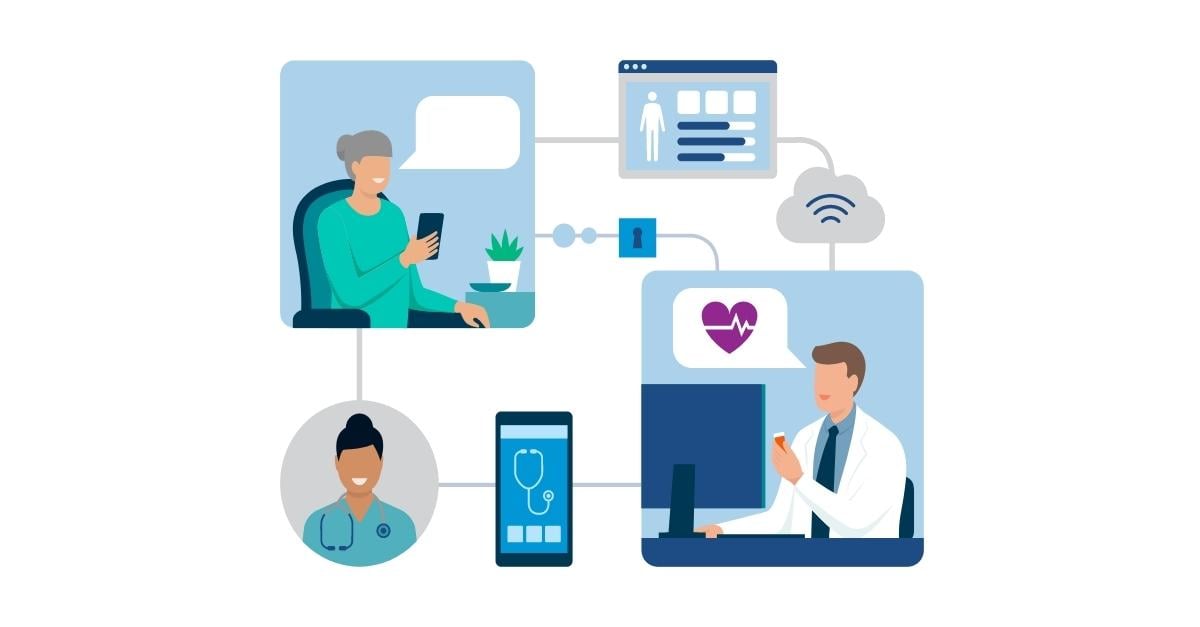
Remote patient monitoring systems operate through an ecosystem of connected devices, software platforms, and secure communication networks. Patients use wearable devices, home-based medical equipment, or mobile applications to collect health data regularly or continuously.
This data is transmitted to centralized platforms where it is analyzed and visualized for healthcare professionals. Alerts are generated when readings fall outside predefined thresholds, enabling clinicians to respond quickly. Through this workflow, remote patient monitoring supports continuous and data-driven care delivery.
Key Components of Remote Patient Monitoring Systems
Successful remote patient monitoring relies on several core components working together seamlessly. These include medical-grade devices, data transmission tools, analytics platforms, and clinician dashboards.
Interoperability between components is essential to ensure accurate data flow and usability. When these elements are properly integrated, remote patient monitoring delivers reliable insights that enhance clinical efficiency and patient safety.
Benefits of Remote Patient Monitoring for Patients
One of the most significant advantages of remote patient monitoring is improved convenience. Patients can receive ongoing care from the comfort of their homes, reducing the need for frequent hospital visits.
Remote patient monitoring also empowers patients by increasing awareness of their health conditions. Continuous feedback encourages adherence to treatment plans and fosters a sense of control, leading to better engagement and improved health outcomes.
Benefits for Healthcare Providers and Organizations
Healthcare providers benefit from remote patient monitoring by gaining access to real-time patient data. This visibility allows for proactive care rather than reactive treatment, improving clinical outcomes and efficiency.
For healthcare organizations, remote patient monitoring reduces hospital readmissions, optimizes resource utilization, and lowers operational costs. It supports scalable care models that align with value-based healthcare initiatives.
Role of Remote Patient Monitoring in Chronic Disease Management
Chronic diseases such as diabetes, heart disease, and respiratory conditions require continuous monitoring and long-term care. Remote patient monitoring is particularly effective in managing these conditions by providing ongoing insights into patient health.
Through continuous data tracking, providers can identify early warning signs and adjust treatment plans promptly. Remote patient monitoring improves disease control, reduces complications, and enhances quality of life for patients with chronic conditions.
Remote Patient Monitoring and Preventive Care
Preventive care focuses on early detection and intervention to reduce long-term health risks. Remote patient monitoring supports preventive strategies by tracking health indicators over time.
By identifying subtle changes in vital signs and behavior, providers can intervene before conditions escalate. This proactive approach reduces the likelihood of severe health events and supports population health management.
Technology Behind Remote Patient Monitoring
Technology is the foundation of remote patient monitoring solutions. Wearable sensors, smart medical devices, mobile applications, and cloud-based platforms enable continuous data collection and analysis.
Advanced analytics and artificial intelligence further enhance remote patient monitoring by identifying patterns and predicting potential health risks. These technologies support informed clinical decisions and personalized care planning.
Data Security and Privacy in Remote Patient Monitoring
Because healthcare data is highly sensitive, security and privacy are critical in remote patient monitoring. Unauthorized access or data breaches can compromise patient trust and result in regulatory penalties.
Strong encryption, secure authentication, and role-based access controls are essential to protect patient information. By prioritizing data security, remote patient monitoring systems maintain confidentiality and regulatory compliance.
Regulatory Compliance and Remote Patient Monitoring
Remote patient monitoring solutions must comply with healthcare regulations such as HIPAA, GDPR, and other regional data protection laws. These regulations define how patient data is collected, stored, and shared.
Compliance should be built into the design and operation of remote patient monitoring systems. Continuous monitoring and documentation help organizations meet regulatory requirements while maintaining ethical standards.
Integration with Healthcare Information Systems
For remote patient monitoring to deliver maximum value, it must integrate seamlessly with existing healthcare systems such as electronic health records and clinical workflows.
Integration ensures that remote data complements in-person care and supports comprehensive patient management. When clinicians can access monitoring data within familiar systems, decision-making becomes faster and more accurate.
Improving Patient Engagement Through Remote Patient Monitoring
Patient engagement is a key factor in achieving positive healthcare outcomes. Remote patient monitoring enhances engagement by enabling consistent communication and feedback.
Patients who actively participate in monitoring their health are more likely to follow treatment plans and adopt healthier behaviors. This engagement strengthens the patient-provider relationship and improves long-term outcomes.
Remote Patient Monitoring in Post-Acute and Elderly Care
Post-acute care and elderly care require close monitoring to prevent complications and hospital readmissions. Remote patient monitoring supports these care settings by enabling continuous supervision.
For elderly patients, monitoring systems provide reassurance and early detection of health issues. This approach enhances safety, supports independent living, and reduces caregiver burden.
Challenges in Implementing Remote Patient Monitoring
Despite its benefits, implementing remote patient monitoring presents challenges. Technical issues such as device interoperability, connectivity limitations, and data accuracy can impact effectiveness.
Patient adoption is another challenge, particularly among individuals with limited digital literacy. Successful implementation requires user-friendly design, education, and ongoing support.
Best Practices for Successful Remote Patient Monitoring
Effective remote patient monitoring begins with clear objectives and appropriate technology selection. Devices should be reliable, easy to use, and clinically validated.
Training patients and providers is essential to ensure correct usage and data interpretation. Continuous evaluation and improvement help optimize performance and align monitoring programs with clinical goals.
Economic Impact of Remote Patient Monitoring
Remote patient monitoring offers significant economic benefits for healthcare systems. By reducing hospital admissions and emergency visits, it lowers overall healthcare costs.
Healthcare organizations can also benefit from reimbursement models that support remote monitoring services. These financial incentives make remote patient monitoring a sustainable and scalable solution.
Remote Patient Monitoring and Value-Based Care
Value-based care focuses on improving outcomes while controlling costs. Remote patient monitoring aligns closely with this model by supporting preventive care and early intervention.
By tracking patient progress and outcomes, providers can demonstrate value and improve care quality. Remote patient monitoring plays a key role in advancing value-based healthcare initiatives.
Future Trends in Remote Patient Monitoring
The future of remote patient monitoring is shaped by ongoing technological advancements. Wearable devices are becoming more accurate, compact, and affordable.
Artificial intelligence and predictive analytics will further enhance monitoring capabilities, enabling personalized and anticipatory care. As these trends continue, remote patient monitoring will become an integral part of standard healthcare delivery.
Remote Patient Monitoring and Population Health Management
Population health management focuses on improving outcomes for groups of patients. Remote patient monitoring supports this goal by providing aggregated data and insights.
Healthcare organizations can identify trends, allocate resources effectively, and design targeted interventions. This data-driven approach improves population health and reduces disparities.
Building Trust Through Remote Patient Monitoring
Trust is essential for the success of any healthcare initiative. Remote patient monitoring builds trust by enabling transparency and consistent communication.
When patients feel supported and informed, they are more likely to engage with monitoring programs. This trust strengthens relationships and improves overall care experiences.
Conclusion
Remote patient monitoring is transforming healthcare by enabling continuous, proactive, and patient-centered care beyond traditional clinical settings. Through real-time data collection, early intervention, and improved engagement, it addresses many challenges facing modern healthcare systems.
As technology continues to evolve and healthcare demands grow, remote patient monitoring will remain a critical driver of innovation. Organizations that invest in effective monitoring solutions will be better equipped to deliver high-quality, accessible, and sustainable care in the future.