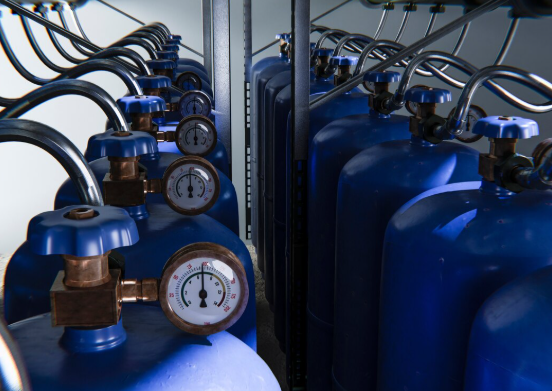
Refill gas bottles for home use is a common and cost-effective practice in many households around the world. Whether you rely on gas for cooking, heating, or other daily needs, understanding how to safely refill and manage gas bottles is essential. This guide covers everything you need to know—from types of gas cylinders to safety tips, legal considerations, and best practices—so you can use gas efficiently and responsibly at home.
What Are Gas Bottles and How Do They Work?
Gas bottles, also known as gas cylinders, are portable containers used to store liquefied petroleum gas (LPG) or other gases under pressure. These gases are compressed into liquid form for easier storage and transport. When released, they convert back into gas, making them ideal for household use.
Most homes use LPG cylinders, which typically contain a mixture of propane and butane. These gases are highly flammable, which makes them efficient for cooking but also requires careful handling.
Types of Gas Bottles for Home Use
Understanding the different types of gas bottles can help you choose the right one for your needs.
1. LPG Cylinders
These are the most commonly used gas bottles in homes. They are widely used for cooking and heating.
2. Propane Cylinders
Propane works well in colder temperatures, making it suitable for outdoor and seasonal use.
3. Butane Cylinders
Butane is typically used indoors and is more efficient in warmer climates.
4. Composite Cylinders
These are lightweight and modern alternatives to traditional steel cylinders. They are also transparent, allowing you to see the gas level.
Why Refill Gas Bottles Instead of Replacing Them?
Refilling gas bottles is often more economical than buying new ones. Here are some key benefits:
- Cost Savings: Refilling is usually cheaper than purchasing a new cylinder.
- Environmental Benefits: Reduces waste by reusing the same container.
- Convenience: Easily available refill stations in many areas.
- Efficiency: Quick turnaround compared to buying and transporting new bottles.
How to Refill Gas Bottles Safely
Safety should always be your top priority when refilling gas bottles. Follow these essential steps:
1. Check the Condition of the Cylinder
Before refilling, inspect the gas bottle for:
- Rust or corrosion
- Dents or physical damage
- Expired certification dates
If the cylinder is damaged, do not refill it.
2. Choose an Authorized Refill Station
Always refill your gas bottle at a licensed and reputable station. Unauthorized refilling can be dangerous and illegal in many regions.
3. Ensure Proper Valve Function
Make sure the valve is functioning correctly and is tightly sealed before and after refilling.
4. Avoid Overfilling
Overfilled cylinders can become hazardous due to pressure buildup. Professional refill stations use weight measurements to prevent this.
5. Transport Carefully
After refilling:
- Keep the cylinder upright
- Avoid exposing it to direct sunlight
- Secure it properly during transport
Safety Tips for Using Refilled Gas Bottles at Home
Once your gas bottle is refilled, safe usage is just as important.
Keep the Cylinder in a Ventilated Area
Always place gas bottles in well-ventilated spaces to prevent gas accumulation.
Check for Leaks Regularly
Use a soap solution to check for leaks around the valve and connections. If bubbles appear, there may be a leak.
Store Away from Heat Sources
Keep cylinders away from stoves, heaters, and direct sunlight.
Turn Off When Not in Use
Always close the valve when the gas is not being used.
Install a Gas Detector
A gas leak detector can alert you to potential hazards before they become serious.
Legal and Regulatory Considerations
Refilling gas bottles is subject to regulations in many countries. While rules may vary, some common guidelines include:
- Only certified cylinders can be refilled
- Refilling must be done at authorized facilities
- Tampering with safety valves is prohibited
- Regular inspection and re-certification may be required
It’s important to follow local laws to ensure safety and avoid penalties.
Common Mistakes to Avoid
Many people unknowingly make mistakes when handling or refilling gas bottles. Avoid these common errors:
Refilling at Unauthorized Locations
This can lead to improper filling and increased risk of accidents.
Ignoring Expiry Dates
Gas cylinders have a lifespan. Using expired cylinders can be dangerous.
Using Damaged Cylinders
Even minor dents can weaken the structure of the bottle.
Improper Storage
Storing cylinders in enclosed or poorly ventilated areas can lead to gas buildup.
DIY Refilling Attempts
Refilling gas bottles at home without proper equipment and expertise is extremely risky and should never be attempted.
Signs Your Gas Bottle Needs Attention
Recognizing warning signs can prevent accidents:
- Strong gas smell
- Hissing sound near the valve
- Difficulty igniting appliances
- Visible rust or damage
If you notice any of these, stop using the cylinder immediately and seek professional help.
Cost of Refilling Gas Bottles
The cost of refilling gas bottles varies depending on:
- Size of the cylinder
- Type of gas (propane or butane)
- Location and supplier
- Market demand and seasonal fluctuations
Despite these variations, refilling is generally more affordable than purchasing a new cylinder.
Environmental Impact of Refilling Gas Bottles
Refilling gas bottles is an environmentally responsible choice. By reusing cylinders, you reduce:
- Metal waste from discarded bottles
- Energy consumption involved in manufacturing new cylinders
- Carbon footprint associated with production and transportation
Choosing refill over replacement supports sustainability and reduces environmental harm.
Tips for First-Time Users
If you are new to using gas bottles at home, keep these tips in mind:
- Always read the manufacturer’s instructions
- Learn how to properly connect and disconnect the regulator
- Keep emergency contact numbers handy
- Educate family members about basic safety measures
Being informed can make a significant difference in safe usage.
Future Trends in Gas Bottle Refilling
The gas industry is evolving with new technologies and innovations:
- Smart Cylinders: Equipped with sensors to monitor gas levels
- Digital Tracking: Helps track refilling history and safety checks
- Eco-Friendly Materials: Development of lighter and more sustainable cylinders
- Improved Safety Standards: Enhanced regulations and better training for refill operators
These advancements aim to make gas usage safer and more efficient for households.
Conclusion
Refill gas bottles for home use is a practical and cost-effective solution, but it requires careful attention to safety and regulations. By understanding the types of gas cylinders, following proper refilling procedures, and maintaining safe usage practices, you can ensure a reliable and secure gas supply for your home.
Always prioritize safety over convenience. Choose authorized refill stations, regularly inspect your cylinders, and stay informed about best practices. With the right knowledge and precautions, refilling gas bottles can be both safe and beneficial for your household and the environment.