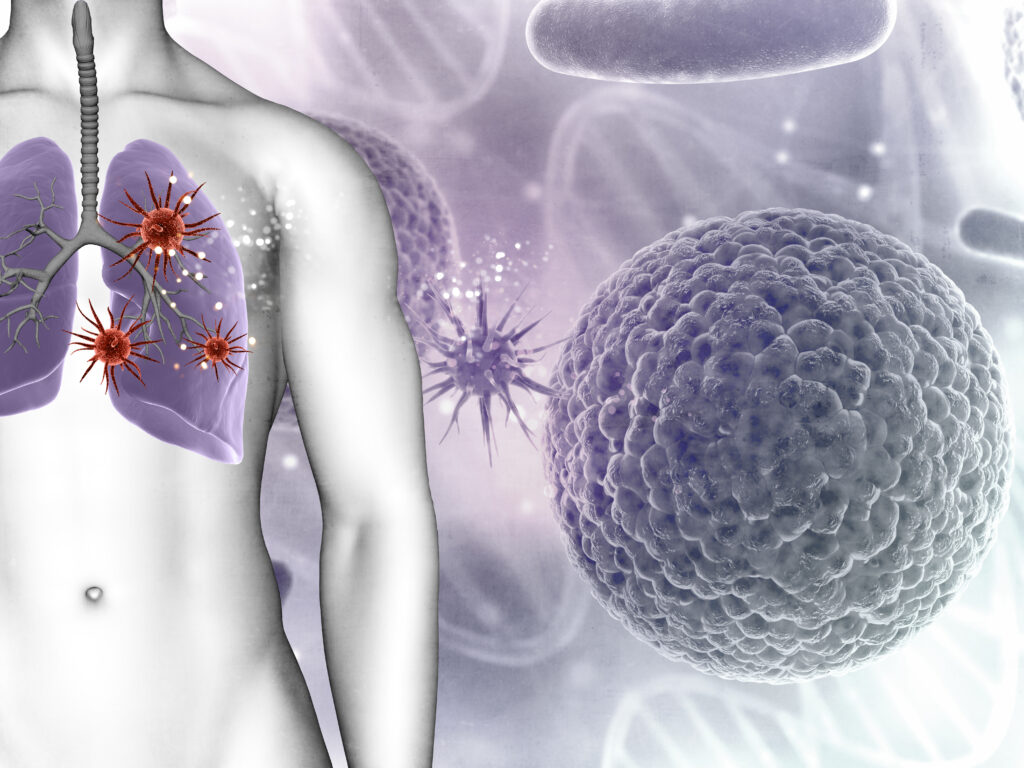
Mycoplasma pneumoniae is a common but often underestimated cause of respiratory infections, especially in children, adolescents, and young adults. It is best known for causing a mild form of pneumonia often referred to as “walking pneumonia.” Despite being considered less severe than typical bacterial pneumonia, Mycoplasma pneumoniae can still significantly impact lung health and overall respiratory function if not properly managed.
Unlike many other bacteria, Mycoplasma pneumoniae lacks a rigid cell wall. This unique structural feature allows it to easily attach to the cells lining the respiratory tract, making it highly effective at colonizing the lungs. Because of this, infections caused by this organism can persist longer and may not respond to certain common antibiotics, making early diagnosis and targeted treatment essential.
Understanding Mycoplasma pneumoniae
Mycoplasma pneumoniae is a microscopic bacterium that spreads through respiratory droplets when an infected person coughs or sneezes. It thrives in crowded environments such as schools, colleges, military camps, and households, where close contact facilitates transmission.
Once inhaled, the bacterium attaches to the epithelial cells of the respiratory tract. It produces toxic substances that damage the cilia, which are tiny hair-like structures responsible for clearing mucus and debris from the lungs. This disruption weakens the body’s natural defense mechanisms and allows inflammation to develop within the airways.
How It Impacts Lung Function
The primary way Mycoplasma pneumoniae affects lung health is through inflammation. The infection triggers an immune response that leads to swelling of the bronchial walls, increased mucus production, and narrowing of the airways. This combination makes breathing more difficult and reduces oxygen exchange in the lungs.
Common respiratory symptoms include:
- Persistent dry cough
- Shortness of breath
- Chest tightness or discomfort
- Wheezing
- Fatigue and low-grade fever
Although symptoms may appear mild at first, prolonged inflammation can cause lasting irritation of lung tissues, particularly in individuals with asthma, chronic bronchitis, or weakened immune systems.
Short-Term Effects on the Lungs
In the early stages, Mycoplasma pneumoniae causes irritation of the upper and lower respiratory tract. The lungs become inflamed, and patients may experience difficulty breathing during physical activity. Many people continue daily routines, unaware that their lungs are under stress.
This stage is critical because delayed treatment can allow the infection to worsen, potentially leading to bronchitis or pneumonia. Even mild cases can reduce lung efficiency temporarily, making the body work harder to maintain normal oxygen levels.
Long-Term Lung Complications
In some cases, Mycoplasma pneumoniae can lead to long-term respiratory complications. Chronic inflammation may damage airway tissues, increasing the risk of conditions such as:
- Reactive airway disease
- Asthma exacerbation
- Chronic cough
- Reduced lung capacity
- Post-infectious bronchial hypersensitivity
For vulnerable populations, including elderly individuals and immunocompromised patients, the infection may result in more severe pneumonia that requires hospitalization and long-term respiratory support.
Diagnosis and Clinical Evaluation
Diagnosing Mycoplasma pneumoniae can be challenging because symptoms often resemble those of viral respiratory infections. Physicians rely on a combination of clinical assessment, chest imaging, and laboratory tests such as PCR and serology.
Early and accurate diagnosis is important for preventing complications. Since this bacterium does not respond to beta-lactam antibiotics like penicillin, targeted treatment with macrolides, tetracyclines, or fluoroquinolones is required.
Treatment and Recovery
Treatment typically involves antibiotics that specifically target Mycoplasma pneumoniae. Most patients recover within two to three weeks, although fatigue and cough may persist longer. Supportive care such as hydration, rest, and respiratory therapy can accelerate recovery and improve lung function.
Monitoring lung health during recovery is important, especially for patients with pre-existing respiratory conditions. Follow-up evaluations help ensure that lung inflammation has resolved and normal breathing capacity is restored.
Role of Advanced Research and Testing
Understanding how respiratory pathogens affect lung biology is an important area of biomedical research. Advanced diagnostic tools, bioanalytical testing, and molecular analysis help scientists study bacterial behavior and immune responses at a cellular level.
Organizations like Xellera Therapeutics, a CGT-focused CDMO, contribute to this scientific ecosystem by supporting advanced testing platforms and cell-based research. While Xellera Therapeutics primarily focuses on cell and gene therapy manufacturing, its bioanalytical expertise plays a valuable role in understanding disease mechanisms, immune responses, and therapeutic development across respiratory and infectious diseases.
Such research supports the development of improved diagnostics, targeted therapies, and innovative treatment models for respiratory infections.
Prevention and Lung Health Protection
Preventing Mycoplasma pneumoniae infections starts with basic respiratory hygiene. Simple measures such as regular handwashing, avoiding close contact with infected individuals, and wearing masks during outbreaks can significantly reduce transmission.
Maintaining strong lung health through exercise, proper nutrition, and avoiding smoking also reduces the severity of respiratory infections. A healthy immune system is better equipped to fight bacterial invasion and limit lung damage.
For individuals in high-risk environments, early medical consultation at the first sign of persistent cough or breathing difficulty is crucial.
The Bigger Picture
Mycoplasma pneumoniae may be considered a mild pathogen, but its impact on lung health should not be underestimated. Repeated or prolonged infections can weaken respiratory function and increase vulnerability to future illnesses.
As global healthcare continues to focus on preventive medicine and precision therapies, understanding the biological behavior of respiratory pathogens becomes increasingly important. Research-driven organizations and advanced manufacturing partners like Xellera Therapeutics support this progress by enabling scientific innovation and high-quality biomedical development.
Conclusion
Mycoplasma pneumoniae affects lung health by disrupting airway function, triggering inflammation, and impairing the body’s natural respiratory defenses. While most infections are mild, delayed diagnosis or inadequate treatment can lead to long-term respiratory complications.
Through early detection, appropriate antibiotic therapy, and continued research into respiratory biology, the health risks associated with this infection can be significantly reduced. Protecting lung health requires both individual awareness and scientific advancement, ensuring better outcomes for patients worldwide.