Why Do Mains Plugs & Sockets Matter in Modern Electrical Systems?
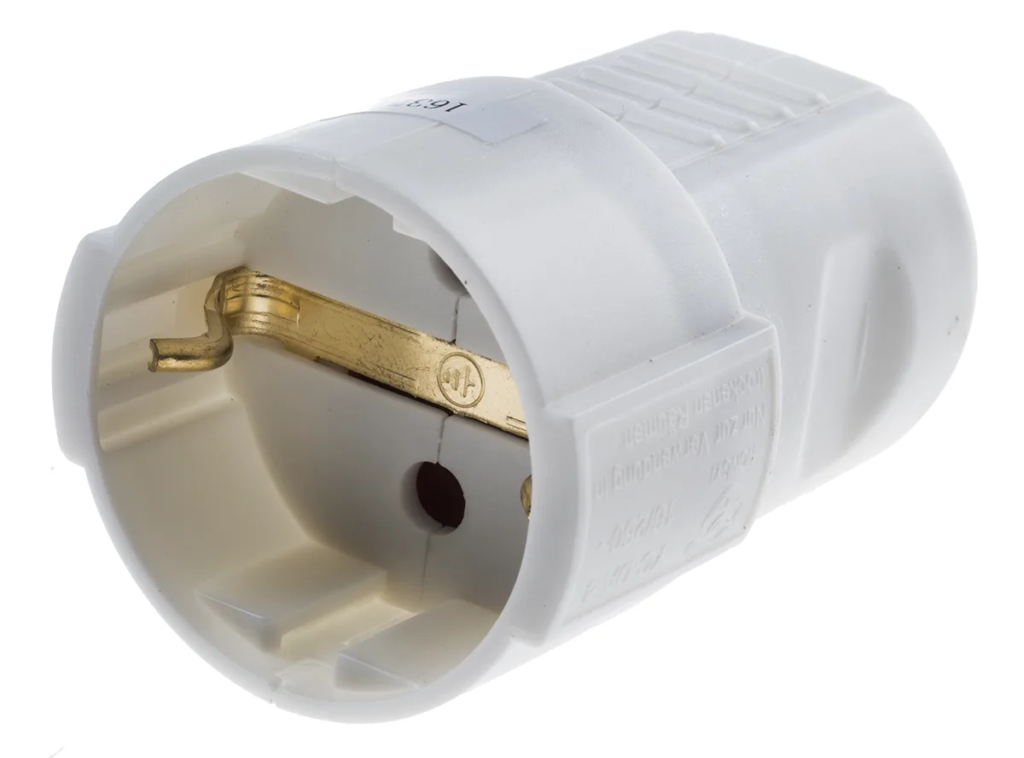
Mains Plugs & Sockets
Introduction
Power is a basic part of modern life, but safe and practical access to electricity depends on more than the supply itself. The connection between the power source and the equipment in use must be secure, reliable, and suitable for the environment. This is where Mains Plugs & Sockets become essential. They are used in homes, offices, workshops, schools, healthcare spaces, retail settings, and industrial locations, making them one of the most familiar yet most important parts of any electrical system.
Although many people see them as simple accessories, Mains Plugs & Sockets perform a far more important role than appearances suggest. They help transfer electricity safely, support stable operation, and allow devices to be connected or removed with ease. Whether powering a small household appliance or supporting heavier professional equipment, the right connection point helps improve safety, efficiency, and daily convenience.
The Basic Purpose of Mains Plugs & Sockets
Mains Plugs & Sockets are designed to create a controlled link between electrical equipment and the mains power supply. A plug is normally attached to the cable of a device, while the socket acts as the fixed or portable point that receives the plug and connects it to electrical power. This simple arrangement makes electricity accessible in a safe and practical way.
Their value lies in how they manage power transfer while helping reduce electrical hazards. Instead of leaving wires exposed or fixed permanently in place, Mains Plugs & Sockets make it possible to connect devices securely and disconnect them when needed. This helps support maintenance, mobility, replacement, and everyday use across many applications.
Why Mains Plugs & Sockets Are More Important Than They Seem
These components are often used without much thought, yet they directly affect safety and performance. A weak or unsuitable connection can cause inconvenience, reduce device efficiency, or create avoidable electrical risks. A well chosen solution, on the other hand, supports dependable use over time.
They help protect users
One of the most important benefits of Mains Plugs & Sockets is protection. Properly designed products reduce the likelihood of accidental contact with live parts and help create a safer connection between the device and the power supply.
They support consistent electrical flow
Many electrical devices perform best when they receive stable and uninterrupted power. A poor connection can create resistance, heat, or brief interruptions. Good quality Mains Plugs & Sockets help maintain strong contact and more reliable operation.
They improve flexibility
Electrical equipment often needs to be moved, cleaned, serviced, or replaced. Plug and socket systems make this easier by allowing quick connection and disconnection without altering the main wiring arrangement.
They suit a wide range of equipment
From domestic appliances and extension leads to testing equipment and industrial machinery, Mains Plugs & Sockets are adaptable to many different power requirements and environments.
Key Elements That Make Mains Plugs & Sockets Effective
The quality and design of these products can significantly influence their performance. Several features contribute to safe and long lasting operation.
Contact strength
The metal contacts inside the plug and socket must fit together securely. A firm contact helps current pass efficiently and lowers the chance of overheating caused by poor electrical connection.
Insulating materials
Good insulation helps protect users from live electrical parts and supports safer handling during normal use. It also helps the product maintain integrity over time.
Mechanical durability
Plugs and sockets are often used repeatedly, especially in busy environments. Tough housing materials and well made internal parts help them resist damage from daily wear.
Cable support
In plugs, secure cable retention is important. This helps prevent stress on the internal wiring and reduces the risk of loose conductors developing through repeated movement.
Safety features
Many designs include grounding arrangements, shutters, secure pin layouts, and protective housings. These features improve user safety and help the connection perform as intended.
Common Environments Where Mains Plugs & Sockets Are Essential
Because electricity is needed almost everywhere, these connection systems are used across many sectors. Their design and rating often vary depending on the demands of the setting.
Domestic spaces
In homes, Mains Plugs & Sockets power kitchen appliances, lighting accessories, televisions, chargers, fans, cleaning equipment, and personal electronics. Everyday comfort relies heavily on safe and convenient access to power.
Office environments
Modern offices depend on reliable connections for computers, printers, screens, routers, communication systems, and desk equipment. A dependable plug and socket system helps reduce disruption and supports smooth daily operations.
Educational and public buildings
Schools, libraries, and public facilities need electrical access for teaching tools, presentation systems, office devices, and maintenance equipment. Safe connection points are especially important in places used by many people.
Workshops and technical service areas
Technicians and maintenance teams often connect tools, soldering stations, diagnostic instruments, and portable equipment throughout the working day. Durable Mains Plugs & Sockets are important in these more demanding environments.
Industrial facilities
Factories and production spaces may require more rugged solutions built to handle heavier loads, repeated use, and challenging conditions. In these settings, the reliability of a connection can affect productivity and equipment uptime.
Types of Mains Plugs & Sockets
Different tasks require different connection styles. The variety available helps users choose a suitable option for the application.
Standard domestic types
These are used for everyday indoor applications and are suitable for general appliances and electronics.
Switched socket options
A switched socket allows the electrical supply to be controlled directly at the socket. This can make operation safer and more convenient.
Portable plug and socket units
These are useful in temporary work areas, mobile stations, event spaces, and places where fixed access is limited.
Heavy duty industrial versions
Industrial types are designed for stronger performance, higher ratings, and tougher environmental conditions.
Weather protected designs
Outdoor areas and exposed locations often need plugs and sockets that offer better resistance to moisture, dust, and physical impact.
How to Choose the Right Mains Plugs & Sockets
Selecting the right option requires more than choosing a product that fits physically. The correct choice should support safety, reliability, and long term performance.
Check the electrical rating
The voltage and current capacity of the plug and socket must suit the equipment being connected. Using an incorrectly rated product can lead to overheating or early failure.
Consider the environment
Indoor, outdoor, domestic, commercial, and industrial settings all place different demands on connection hardware. Dust, moisture, temperature, and handling conditions should all be considered.
Think about frequency of use
Some connection points are used occasionally, while others are used many times each day. Products used more frequently should be chosen for durability and reliable mechanical performance.
Look at build quality
Better materials and sound design often lead to better results in daily use. Strong housings and dependable contacts can improve both safety and service life.
Prioritise trusted safety compliance
Products that meet recognised standards provide greater confidence, especially where safety and performance are critical.
Why Quality Still Matters in a Highly Powered World
As more devices become part of daily life, the demand placed on connection systems continues to rise. Homes now contain more chargers, appliances, displays, and electronics than ever before. Commercial and industrial sites also depend on a growing range of powered systems. In every case, the quality of the connection point matters.
Mains Plugs & Sockets help create order, access, and safety within electrical systems. They reduce the need for unsafe improvisation, support efficient operation, and make power easier to manage. Even though they are often overlooked, they remain one of the most practical and necessary components in any electrical setup.
Conclusion
Mains Plugs & Sockets play a central role in safe and efficient power distribution. They allow electrical devices to connect to the mains supply in a way that supports user protection, reliable performance, and everyday convenience. Their value extends across domestic, commercial, educational, technical, and industrial environments, showing just how essential they are in modern life.
By understanding how Mains Plugs & Sockets function and why quality matters, users can make better choices for both safety and performance. These components may be simple in appearance, but their contribution to electrical reliability is significant wherever power is needed.