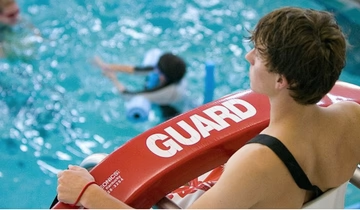
When it comes to water safety, the number one priority of lifeguards is to ensure the safety and well-being of all swimmers. But to effectively perform these duties, it is essential to undergo lifeguard certification training. Being a trained lifeguard means not only knowing how to observe swimmers but also how to act quickly in case of an emergency. A lifeguard’s education and preparation are crucial before any critical situation arises.
In this article, we’ll explore why lifeguard certification is important and how the American Lifeguard Association (ALA) provides the best certification programs to help you become a professional lifeguard.
Why Is Lifeguard Certification Important?
Lifeguarding is not just about keeping an eye on swimmers; it’s about being prepared to respond effectively in emergencies. The key components of lifeguard training include:
-
Rescue Skills
-
First Aid and CPR
-
Swimming Skills
-
Leadership and Communication
Lifeguard certification proves that you’ve been properly trained in these areas. With programs from the American Lifeguard Association, you’ll receive comprehensive training that includes everything from passive victim rescues to spinal cord injuries, ensuring you’re prepared for any emergency situation.
The Lifeguard Certification Process
The certification process is not just a formality; it’s designed to ensure lifeguards are equipped with the right skills to save lives. A certification program typically covers:
-
Rescue Techniques: How to rescue both active and passive drowning victims.
-
CPR & AED for Professional Rescuers: Lifeguards are trained to provide cardiopulmonary resuscitation (CPR) and to use automated external defibrillators (AED).
-
First Aid: Lifeguards are trained in treating cuts, fractures, and even spinal injuries.
-
Water Safety Education: Lifeguards learn how to spot signs of distress, manage emergencies, and communicate effectively with swimmers.
The Top Priority: Preventing Drowning and Responding to Emergencies
The most important task of a lifeguard is to prevent drowning and respond swiftly to emergencies. Drowning can happen silently and unexpectedly. A lifeguard’s job is to spot signs of distress in swimmers and take immediate action.
Key Responsibilities to Ensure Water Safety:
-
Active Surveillance:
Lifeguards must continuously scan their assigned area using the 10/20 rule—scanning every 10 seconds and ensuring that every patron can be reached within 20 seconds in case of an emergency. -
Enforcing Rules:
By enforcing pool rules (no running, no diving in shallow water, etc.), lifeguards can prevent risky behavior and reduce the need for rescues. -
Emergency Readiness:
Lifeguards are always prepared to provide first aid, perform rescues, and use AEDs when necessary. Ongoing training keeps their skills sharp and ready for action. -
Public Education:
Lifeguards also play a crucial role in educating the public about water safety. Conversations about swimming alone, identifying rip currents, and designated swimming times can reduce incidents.
Lifeguard Certification and a Commitment to Safety
Lifeguard certification is not just a piece of paper; it’s a commitment to safety. Through certification, lifeguards gain the essential skills required for real-world conditions, which ensures they can handle the demands of the job.
The American Lifeguard Association offers nationally recognized certification programs designed to prepare lifeguards for the challenges they’ll face at pools, beaches, lakes, and waterparks.
ALA’s programs are built around sound safety practices and real-life scenarios, which help build confidence in lifeguards and ensure they can act quickly and efficiently in an emergency.
Common Situations Lifeguards Face
Even with certification, lifeguards may encounter situations that challenge their skills:
-
Complacency:
Long hours of monotony (few patrons in the water) can decrease vigilance. Lifeguards are trained to stay alert and aware at all times. -
Environmental Factors:
Weather conditions, sun glare, and busy pools can make monitoring more difficult. Lifeguards are trained to adapt and stay focused in any situation. -
Human Error:
Misunderstanding a swimmer’s abilities or overestimating a situation can lead to risky outcomes. Recertification and continuous practice help lifeguards improve their judgment and decision-making skills.
Why Get Certified by the American Lifeguard Association?
When looking for a lifeguard certification organization, it’s essential to choose one that is respected and recognized in your community. Here’s why the American Lifeguard Association (ALA) is the best choice:
-
Sound Safety Practices:
ALA courses are based on proven safety practices to ensure lifeguards are ready for real-world scenarios. -
Flexible Training Options:
ALA offers both in-person and online certification courses to accommodate different learning preferences. -
Widely Accepted Certification:
ALA certification is accepted at most pools, beaches, and water parks across the country. -
Renewal Programs:
ALA provides training for first-time lifeguards and for those needing to renew their certification, ensuring everyone remains up-to-date with the latest practices.
Final Word: Lifeguarding Is More Than a Job
Lifeguards do more than just respond to emergencies. They prevent accidents, educate the public on water safety, and ensure that swimmers are safe. Whether you’re starting your career in lifeguarding or renewing your credentials, becoming certified with the American Lifeguard Association is an investment in your future and in the safety of those you serve.