Labubu: The Story Behind a Modern Collectible Phenomenon
In the contemporary world of designer toys and collectible figures, Labubu has emerged as a defining character-driven brand, captivating enthusiasts with its whimsical, mischievous, and endearing designs. Unlike conventional toys, Labubu occupies a unique space where art, storytelling, and pop culture intersect. Its appeal lies not only in the physical form of the figures but also in the imaginative universe it inspires, creating a dynamic relationship between creator, object, and audience. Understanding the history and background of Labubu is to trace the path of a small artistic spark that transformed into a global cultural phenomenon.
Origins: A Creative Spark in Hong Kong
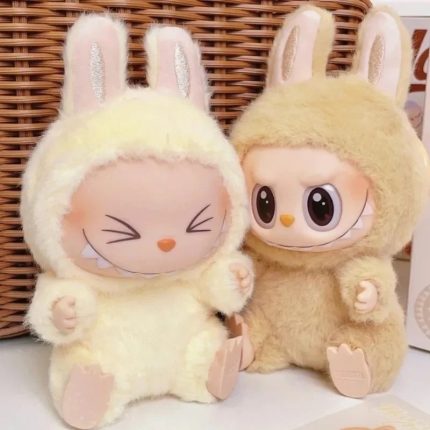
Labubu was conceived by Hong Kong-based artist Kasing Lung as part of his broader “The Monsters” series, which explored whimsical and slightly chaotic creatures. Lung’s early illustrations were rooted in his fascination with blending the familiar with the strange—creating beings that were simultaneously playful and uncanny. Labubu, with its wide eyes, stubby limbs, blunt teeth, and perpetually mischievous grin, stood out from these early creations for its inherent personality.
Unlike traditional toy designs, which often prioritize market trends or pre-existing narratives, Labubu originated from pure artistic exploration. The character was not initially conceived as a product to be sold but as a creative expression that captured emotion, humor, and a touch of chaos. This approach laid the foundation for a brand that would thrive on imagination and storytelling rather than commercial formulas.
Transition from Art to Physical Toy
The transformation of Labubu from paper sketches to collectible figures marked a turning point in the brand’s history. While illustrations allowed the character to convey personality, it was the tangible, three-dimensional figure that truly brought Labubu to life. The first physical Labubu toys were carefully sculpted to preserve the essence of the original illustrations: exaggerated expressions, playful proportions, and a sense of kinetic energy that made the character feel alive.
What distinguished Labubu in the early stages was the meticulous attention to detail in each figure. The brand avoided mass-produced aesthetics, favoring limited runs that emphasized craftsmanship and individuality. Collectors were drawn not just to a toy but to a piece of art imbued with character and story. This transition exemplified a broader shift in the designer toy market, where narrative, quality, and creativity began to eclipse mere branding or licensing deals.
Character-Driven Storytelling: Beyond the Toy
From its inception, Labubu has been defined by its narrative potential. Kasing Lung intentionally left aspects of the character’s personality open-ended, encouraging fans to project their own stories and experiences onto Labubu. The brand became less about static toys and more about an evolving universe. Each figure represents a moment in that universe, offering collectors opportunities to interpret and expand its lore.
This focus on storytelling has helped Labubu resonate with a diverse audience. Fans often create short animations, artwork, or even comics inspired by Labubu, turning the brand into a participatory creative experience. In doing so, Labubu transcended the traditional boundaries of toys and established itself as an interactive form of art.
Early Market Reception and Collectibility
Labubu’s rise in the global collector community was propelled by a combination of scarcity, design appeal, and cultural resonance. Limited edition releases created excitement and a sense of exclusivity, encouraging early adopters to seek out each figure as soon as it was available. Unlike conventional toys released in mass quantities, Labubu was positioned as a collectible, making each figure feel rare and valuable.
This strategy not only generated buzz but also reinforced the brand’s reputation for authenticity and artistic integrity. Collectors became advocates, sharing images, stories, and experiences with the figure, creating a word-of-mouth network that expanded the brand’s reach beyond Hong Kong to international audiences in Europe, Asia, and North America.
Design Philosophy: Personality, Play, and Whimsy
Labubu’s enduring appeal lies in its design philosophy. Unlike toys that rely on realism or intricate mechanics, Labubu Bag thrives on exaggeration, personality, and playful imperfection. Every figure is designed to convey emotion, narrative potential, and a unique sense of character. The rounded forms, expressive faces, and playful postures all contribute to a sense of dynamic energy that makes each figure feel alive.
This philosophy reflects a larger approach to designer toys: the creation of objects that evoke imagination, curiosity, and emotional connection. Labubu does not merely sit on a shelf; it interacts with the owner’s creativity, inspiring stories, scenarios, and even a sense of companionship. It is a model for how contemporary collectibles can transcend utility to become experiences.
Collaborations and Expanding Influence
As Labubu’s popularity grew, the brand began to explore collaborations with other designers, brands, and artists. These partnerships have allowed Labubu to experiment with new forms, color schemes, and thematic variations, expanding the character’s universe while maintaining its core identity. Each collaboration introduces a fresh perspective without compromising the essence of Labubu, demonstrating the brand’s adaptability and cultural relevance.
Collaborations also exposed Labubu to wider audiences, including those outside traditional collector communities. By bridging art, fashion, and lifestyle domains, the brand has strengthened its position as a cultural icon in the designer toy space.