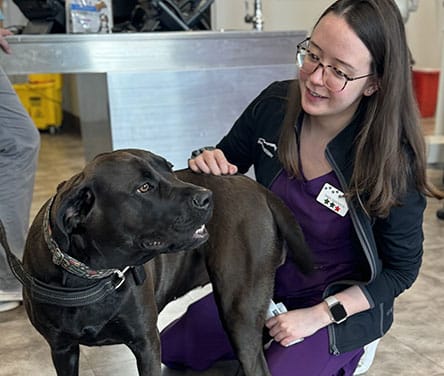
Pets are loved family members, and like humans, are prone to a number of illnesses. Early, clear diagnosis and disease prevention are highly valued for ensuring a good, long life for your pet. Being informed about the diseases that afflict pets, how veterinarians treat them, and being in charge of this information will make you a sensitive individual when it comes to taking advantage of opportunities when you know your best furry friend requires treatment.
Skin Infections and Allergies
Among the most common reasons pet owners visit a veterinarian are skin problems. Common allergies, fungus, and bacterial skin diseases do occur time and again in dogs and cats.
Common symptoms include:
- Excessive scratching or licking
- Red, inflamed skin
- Hair loss
- Scabs or sores
- Ear infections
Allergies may be caused by food, pollen, dust mites, or flea bites. Flea allergy dermatitis, in particular, is a widespread issue in pets. Bacterial and fungal infections often develop when the skin barrier is compromised due to scratching or underlying allergies.
How Vets Treat It:
Vet Falls Church VA, first performs a physical examination and may conduct skin scrapings, allergy tests, or blood work to determine the root cause. Treatment options typically include:
- Antihistamines or corticosteroids to reduce inflammation
- Antibiotics or antifungal medications for infections
- Medicated shampoos
- Prescription hypoallergenic diets
- Flea prevention programs
In chronic cases, vets may recommend immunotherapy or long-term allergy management plans.
Gastrointestinal Disorders
Digestive issues are another frequent concern in pets. Vomiting, diarrhea, constipation, and loss of appetite are common signs of gastrointestinal problems.
Possible causes include:
- Dietary indiscretion (eating spoiled food or foreign objects)
- Intestinal parasites
- Bacterial or viral infections
- Food intolerances
- Inflammatory bowel disease
Puppies and kittens are particularly vulnerable to viral infections such as parvovirus in dogs and panleukopenia in cats, which can be life-threatening without immediate care.
How Vets Treat It:
Treatment depends on the severity and cause. Veterinarians may:
- Conduct fecal examinations to check for parasites
- Perform blood tests or X-rays
- Provide IV fluids to prevent dehydration
- Prescribe anti-nausea or anti-diarrheal medications
- Recommend a bland or prescription gastrointestinal diet
In cases involving foreign object ingestion, surgery may be required. Early veterinary intervention significantly improves recovery outcomes.
Dental Disease
Dental disease affects a large percentage of adult dogs and cats. Plaque buildup can lead to gingivitis, periodontal disease, and even systemic infections that can affect organs like the heart and kidneys.
Signs of dental disease include:
- Bad breath
- Drooling
- Difficulty eating
- Swollen or bleeding gums
- Loose teeth
Many pet owners overlook dental care, but oral health is crucial for overall well-being.
How Vets Treat It:
Fairfax veterinary clinic performs professional dental cleanings under anesthesia. This allows thorough scaling and polishing of teeth. In advanced cases, tooth extraction may be necessary.
Preventive strategies include:
- Regular brushing with pet-safe toothpaste
- Dental chews and treats
- Routine veterinary dental check-ups
Maintaining dental hygiene can prevent painful complications and costly treatments.
Respiratory Infections
Respiratory infections are common in pets, especially those exposed to other animals in kennels or shelters. Dogs may develop kennel cough, while cats are prone to upper respiratory infections.
Symptoms may include coughing, sneezing, nasal discharge, fever, and lethargy.
How Vets Treat It:
Mild cases often resolve with rest and supportive care. Veterinarians may prescribe antibiotics if a bacterial infection is suspected. In more severe cases, anti-inflammatory medications or nebulization therapy may be required. Vaccination plays a major role in prevention.
Urinary Tract Infections (UTIs)
UTIs are common in both dogs and cats. Female pets are more prone to these infections due to anatomical reasons.
Symptoms include frequent urination, straining, blood in urine, and accidents inside the house.
How Vets Treat It:
Vet Gainesville VA conduct urinalysis and possibly urine culture tests. Treatment usually involves antibiotics and increased water intake. In recurrent cases, dietary changes or further diagnostic imaging may be recommended to rule out bladder stones.
Obesity
Obesity is an increasingly common health issue in pets and can lead to diabetes, joint problems, and heart disease.
Contributing factors include overfeeding, lack of exercise, and certain medical conditions.
How Vets Treat It:
Veterinarians assess your pet’s body condition score and develop a weight management plan. This may involve calorie-controlled diets, portion control, and structured exercise routines. Regular monitoring ensures safe and steady weight loss.
Arthritis and Joint Problems
As pets age, they may develop arthritis or joint degeneration. Large dog breeds are especially susceptible.
Common signs include stiffness, limping, reluctance to jump, and reduced activity.
How Vets Treat It:
Treatment focuses on pain management and mobility improvement. Options include anti-inflammatory medications, joint supplements, physical therapy, weight management, and in severe cases, surgery.
Parasitic Infections
Parasites such as fleas, ticks, roundworms, and heartworms can severely impact pet health.
Heartworm disease, transmitted through mosquito bites, can be fatal if untreated.
How Vets Treat It:
Diagnosis involves blood tests and physical examination. Treatment varies by parasite type and may include:
- Deworming medications
- Topical or oral flea and tick preventives
- Heartworm treatment injections
Preventive care is the most effective strategy against parasites.
Diabetes
Diabetes is more common in overweight or older pets. It occurs when the body cannot regulate blood sugar properly.
Symptoms include increased thirst, frequent urination, weight loss, and lethargy.
How Vets Treat It:
Diagnosis is confirmed through blood and urine tests. Treatment usually involves insulin injections, dietary management, and regular blood glucose monitoring. With proper care, diabetic pets can live happy, healthy lives.
Importance of Preventive Veterinary Care
Regular veterinary check-ups are essential for early disease detection. Annual or biannual exams allow veterinarians to identify subtle changes before they become serious problems. Vaccinations, parasite prevention, balanced nutrition, and dental care all contribute to long-term pet health.
Pet owners should monitor behavior changes, appetite shifts, and unusual symptoms. Prompt action often leads to better outcomes and lower treatment costs.
FAQs
- How often should I take my pet to the vet?
Healthy adult pets should visit the vet at least once a year. Senior pets may require biannual check-ups. - What are the most common signs that my pet is sick?
Loss of appetite, vomiting, diarrhea, lethargy, coughing, excessive scratching, and changes in urination habits are common warning signs. - Can I treat minor pet illnesses at home?
While mild symptoms may resolve on their own, it is always safest to consult a veterinarian before administering any medication. - Are vaccinations really necessary?
Yes, vaccinations protect pets from serious and potentially fatal diseases. - How can I prevent most common pet diseases?
Regular vet visits, proper diet, exercise, parasite prevention, dental care, and vaccinations significantly reduce the risk of illness.