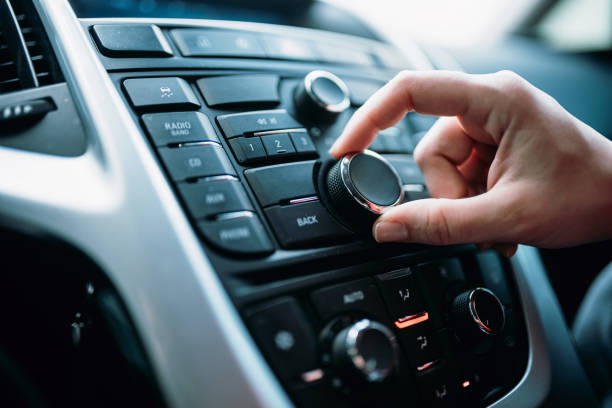
car radio
If you ever looked at your dash and felt unsure, you are not alone. Many dashboards look different on the outside. However, most use a few common mounting ideas on the inside. So the “fit” often comes down to measuring, using the right parts, and planning your wire path. Also, it helps to know what your car already has behind the trim. For example, some cars have deep space behind the radio. Others have ducts and braces that limit space. Because of that, two cars can look the same size up front, yet fit very different behind the faceplate. The good news is that a universal car radio can still work in many vehicles when you match the dash opening, the bracket style, and the screen position.
Start With Measurements That Matter Most
Measure before you buy or install anything. Then, you avoid trim gaps and wobbly screens. Also, you save time.
Here are the key checks many installers use:
- Measure the dash opening width and height, edge to edge.
- Check how far the opening sits from the dash curves.
- Measure depth behind the opening, up to the first hard stop.
- Look for nearby vents, hazard switches, and climate knobs.
- Note where wires can pass without pinching.
Meanwhile, do not trust “it looks like it will fit.” Instead, use a ruler or tape. Because a few millimeters can change the whole result. This is also where people decide between a floating screen style and a flush style. If you want in-car entertainment that feels natural, the right measurements make the install sit clean and steady.
Why Dash Kits And Trim Rings Change Everything
A dashboard opening is rarely a perfect rectangle. However, radio chassis sizes tend to follow standards. So dash kits act like a bridge between the two. A good kit fills side gaps, supports the mounting points, and matches the dash shape. Also, many kits come with trim rings that hide tiny cut lines.
“A clean install is mostly planning, not force.”
Even so, you still need to match the kit to your car’s year and trim level. Some trims have extra brackets or different vent layouts. Therefore, the correct kit matters as much as the radio itself. This is also where a floating screen can help, because the screen can sit forward while the body mounts deeper. A stable mount and clean trim make smartphone car integration easier to use without pulling your eyes off the road.
Know The Common Radio Spaces Inside Dashboards
Dashboards vary, but the mounting spaces often fall into a few buckets. So it helps to learn the “language” of openings.
Single-DIN vs Double-DIN
Single-DIN is shorter in height. Double-DIN is taller. However, many cars use brackets that can adapt with the right kit.
Floating screen style
A floating screen mounts to a chassis, then extends outward. So it can cover odd dash shapes. Many drivers like this style with a touchscreen head unit because the display feels more visible and reachable.
Custom-shaped factory panels
Some cars use curved panels and odd corners. Therefore, a kit must rebuild that shape. In some cases, light trimming helps, but you should trim only what the kit allows.
Because each style changes where the screen sits, you should mock-fit the parts first. Then, you avoid blocking vents or buttons.
How Different Dashboards Handle Screen Size And Angle
A big screen looks great, but the dash must “accept” it. So you need to think about angle, reach, and visibility. For example, some dashboards slope inward. Others sit flat. If the dash slopes, a screen may tilt down unless the bracket corrects it. Also, glare can change based on angle and windshield rake.
Here is a quick guide that helps many people picture fit options:
| Dash style, you have | Common fit issue | What usually helps |
|---|---|---|
| Deep center stack | The screen sits too far back | Floating mount or spacers |
| Curved bezel area | Gaps around edges | Vehicle-specific dash kit |
| Tight behind the radio | Chassis hits ducts | Shallow-body chassis + reroute wires |
| Vents close to the opening | Screen blocks airflow | Lower mount position or smaller tilt |
What It Needs To Work Smoothly
Start with steady power, because wireless CarPlay can drop during engine start if the power feed is weak. Leave a clear path for any USB lead used for setup. Keep wireless parts away from large metal braces when you can, since metal can weaken the signal. Plan space for the microphone wire and any GPS puck if your unit uses one. Place them where they will not get crushed by trim clips. Test the connection before you reinstall the dash panels. Fixing issues is much easier while everything is still open.
Clear Calls Without Extra Noise
A Bluetooth car stereo works best with good mic placement and clean wiring. Put the mic near the driver, such as by the sun visor or A-pillar. Route the mic wire away from power wires to help reduce noise. Secure extra wire length with ties, not loose bundles. Check the ground connection and make sure it is tight. A weak ground can cause buzzing and dropouts. Pair your phone and test a call with the engine running. If your voice sounds thin, move the mic a little and test again.
Controls, Cameras, And Extras Still Need Room
Modern installs often include more than audio. So you should plan space for add-ons early. Also, you should confirm what your vehicle already supports.
Before you lock everything in place, check these items:
- Steering wheel buttons and the right control interface.
- Reverse camera lead routing and trigger wire path.
- Parking brake and illumination connections, if needed.
- USB port placement that feels easy to reach.
If your dash has thick metal braces, test wireless Android Auto to ensure the signal stays strong. Even so, most setups work well when you keep modules and cables neat. Therefore, good cable control is not “extra.” It is part of fit.
Real-World Fit Examples And What They Teach You
Let’s make this feel real. A truck dash often has more depth. So the chassis fits easily, and the screen can sit forward without stress. However, many small sedans have tight spaces behind the opening. Therefore, you may need a shallower body or better wire folding. Older cars may need extra bracket work because factory mounts differ.
Meanwhile, newer cars may hide climate controls in the factory screen area. So you must protect those controls and keep access. When installing the RC-D05 stereo, use the correct dash kit, verify clearance, and test the screen angle before final mounting because the dash decides the final feel, not the box label.
If A Clean, Safe Fit Is Your Goal, Follow This Order
A good install feels calm and solid. Follow a simple order, and you avoid most headaches. You also get a result that looks like it belongs. Start by measuring the opening, the depth, and the buttons nearby. Choose a mounting style that will not block vents or knobs. Pick the correct kit and do a test-fit before you touch any wiring. Route the wires neatly and test power and sound while the area is still open. Mount everything, align it, and check tightness again after a short drive. Do it this way, and the dash stops feeling like “mystery space.” It becomes a set of checks you can control. When the screen sits straight and firm, every drive feels easier and more comfortable.