
Facing the NREMT exam is stressful for even the most prepared candidates. One source of anxiety that is often overlooked is the presence of pilot questions: experimental, unscored items embedded in the exam.
These questions are indistinguishable from scored questions, but their purpose is to gather data for future exams. Encountering them without a strategy can shake confidence, slow your pace, and even lead to second-guessing answers that would otherwise be correct.
Understanding how these pilot items appear and learning to handle them calmly is essential for maintaining focus, completing the exam efficiently, and keeping your performance steady from start to finish.
Understanding Pilot Questions
Pilot questions are included in every NREMT exam but are not calculated in your final score. Their purpose is to evaluate the quality, difficulty, and clarity of potential future questions. Typically, candidates will encounter 10–35 pilot items, depending on the certification level. While these questions can feel odd, obscure, or unusually difficult, they are part of the NREMT exam’s ongoing effort to improve testing validity and align with real-world EMT practice.
It’s important to understand that there is no way to definitively identify a pilot question during the exam. Each one is designed to blend seamlessly with operational questions so that test-takers treat every question with equal attention. The trick is to recognize certain “pilot-like” characteristics and adopt mental strategies that allow you to approach them without panic.
Identifying Pilot-Like Characteristics
While you cannot know for certain which questions are unscored, some characteristics tend to stand out:
- Questions Outside Your Scope of Practice: Occasionally, a question may require knowledge of interventions or procedures beyond the EMT level, such as advanced airway management or medications reserved for paramedics. When this happens, it’s often a pilot item, included to test future exam content. Recognizing this can help you avoid unnecessary worry about your answer.
- Obscure or Highly Niche Information: Some questions focus on rare conditions or very specific details not typically emphasized in standard study materials. For example, a scenario highlighting an uncommon environmental exposure or a highly specialized pathophysiological condition might be included primarily as a pilot.
- New or Experimental Question Formats: Pilot questions frequently test new item types, including “select all that apply” multiple-response questions, rank-order tasks, or matrix-style scenarios. These questions can feel clunky or unusual compared to traditional multiple-choice formats.
- Vague or Unusual Scenarios:If a scenario seems oddly worded, difficult to interpret, or impossible to answer using standard protocols, it could be a pilot question. Recognizing these characteristics allows you to adjust your expectations and maintain confidence.
Maintaining Confidence During the Exam
The presence of pilot questions is not a reason to panic. Knowing that some questions are included for experimental purposes helps candidates maintain a balanced mindset. A few strategies can help preserve confidence throughout the exam:
- Expect “Weird” Questions: Go into the test with the expectation that you will face confusing, hard, or obscure items. Preparing mentally for these situations prevents surprises and reduces anxiety.
- Treat Impossible Questions as Freebies: If a scenario feels completely out of scope or overly complex, it may be a pilot. In these cases, make a reasonable guess, answer with your best judgment, and move on. Remember, it does not count against you.
- Recognize High Difficulty as a Positive Sign:The NREMT exam is adaptive; if the questions feel very difficult, it usually indicates that you are performing well. The exam increases difficulty for candidates who answer correctly, so struggling with a tough scenario can be evidence of success rather than failure.
- Trust Your Training: Avoid second-guessing. Reread questions carefully, focus on key, straightforward information, and apply protocols and clinical reasoning you have practiced. Your preparation will guide you through even unfamiliar questions.
- Focus on the Goal, Not the Count: Whether you are taking the minimum number of questions or the maximum, stay present with the current question. The total number of questions and the presence of pilot items should not distract you from applying consistent decision-making strategies.
Strategies for Handling Difficult Questions
Even with pilot questions, maintaining effective pacing and applying clinical reasoning are crucial. The following strategies help ensure that you approach each question efficiently and accurately:
- Process of Elimination: Even if a question is experimental, you can improve your odds by eliminating clearly wrong answers. Focus on options that violate fundamental principles, such as ignoring scene safety, skipping airway assessment, or bypassing immediate life threats. Narrowing the choices increases the likelihood of selecting a reasonable answer.
- Read the Last Sentence First: Many questions include long, narrative scenarios designed to distract. By first reading the final question line, you know exactly what is being asked and can target your attention to relevant details while ignoring extraneous information.
The Psychological Edge
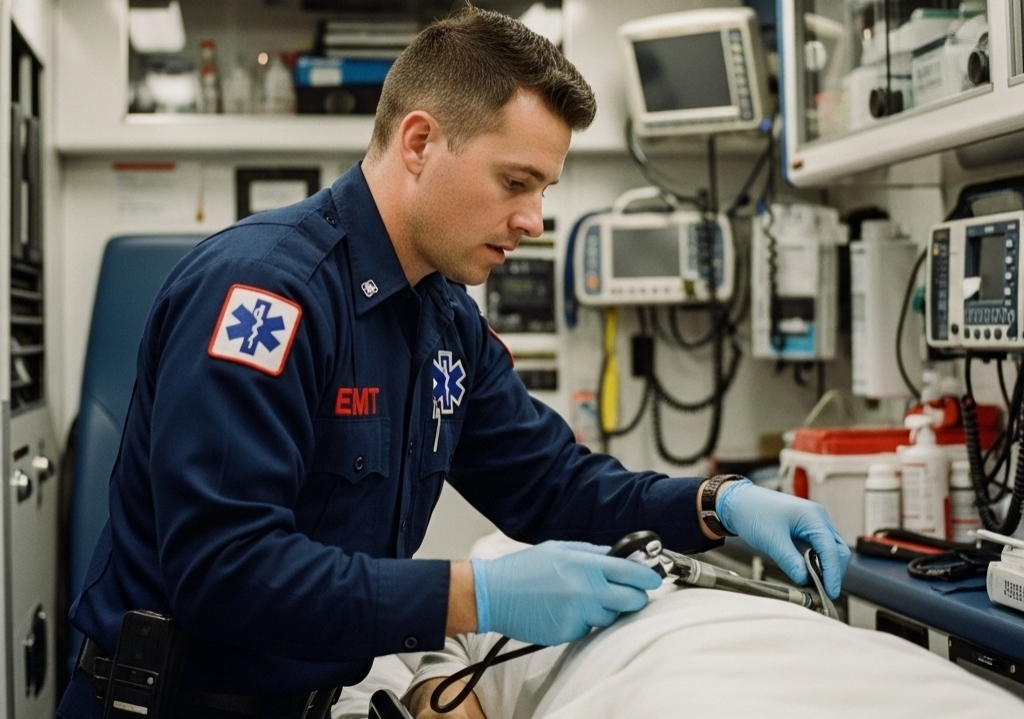
Pilot questions can be unsettling because they often appear as the hardest items on the exam. Recognizing them as an expected part of the CAT system provides a psychological advantage. By reframing these questions as opportunities to test your judgment rather than threats to your score, candidates can reduce stress and maintain composure. Staying calm during challenging scenarios improves both decision-making speed and accuracy, which benefits performance on scored questions as well.
Another important mental shift is to consider pilot items as training within the exam itself. Each difficult or unusual question encourages you to think critically, apply your knowledge under pressure, and adapt to new formats. This mindset turns potential anxiety into a confidence-building exercise.
Recommended: Top Strategies for Managing NREMT Exam Anxiety
Keeping Your Cool Under Pressure

Handling pilot questions successfully is less about knowing which items are unscored and more about maintaining mental discipline, focus, and confidence. By recognizing red-flag characteristics, pacing your analysis, using process-of-elimination strategies, and trusting your training, you can navigate unusual questions without letting them impact your performance on scored items.
Remember that difficulty, obscurity, and novelty do not equate to failure; they are part of the NREMT exam’s design to assess critical thinking and readiness for real-world scenarios.
About the Author
This blog was written by a certified NREMT training specialist who works at How To NREMT. They provide students with strategies for exam preparation, including pacing, prioritization, and clinical judgment skills.
How To NREMT is a leading online platform supporting EMT and paramedic candidates through scenario-based learning, adaptive practice exams, and AI-powered study tools. They focus on practical techniques that mirror real-world EMS decision-making, helping candidates stay confident, efficient, and prepared on exam day.
Explore their full-access membership and private tutoring options.
FAQs
- How many questions are on the NREMT exam?
The NREMT exam typically includes between 70 and 120 questions, depending on your certification level. Knowing this helps you anticipate that 10–35 questions may be pilot items, which do not count toward your final score, so encountering unusual questions won’t harm your results.
- What are some last-minute NREMT tipsfor handling difficult questions?
If a question seems unusually complex or outside your standard EMT knowledge, treat it as a potential pilot item. Focus on applying core principles, using elimination strategies, and maintain a calm, confident approach rather than overthinking or panicking.
- How can I recognize pilot questions on an exam?
Pilot questions often involve material outside your EMT scope, rare clinical scenarios, or new formats like multiple-response or rank-order questions. While you can’t identify them with certainty, knowing these patterns helps prevent confusion and supports steady decision-making.
- How should I study for the NREMT examto manage pilot questions?
Effective study involves practicing diverse scenarios, including rare or complex cases. This exposure helps you handle pilot questions calmly, make educated guesses when needed, and maintain confidence throughout the adaptive exam.