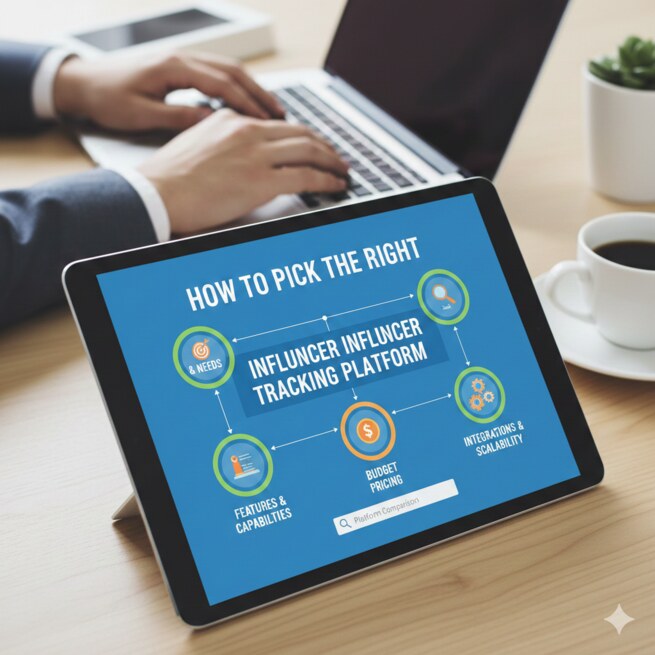
Influencer marketing has quickly become one of the most powerful ways for brands to connect with their audience. But success in this field doesn’t just come from finding well-known creators—it also depends on tracking how their campaigns perform. That’s where influencer tracking platforms make all the difference.
With countless tools in the market, narrowing down the best one can feel overwhelming. This guide breaks down what these platforms do, why they’re essential, and the features you should prioritize before making a decision. The right software can help you measure, analyze, and scale your campaigns with ease.
Understanding Influencer Tracking Platforms
An influencer tracking platform is a tool that helps businesses monitor and evaluate their influencer marketing efforts. Instead of guessing whether your collaborations are working, these platforms provide clear data on reach, engagement, conversions, and more.
They allow you to:
- Track the content influencers publish.
- Measure click-through rates, conversions, and audience growth.
- View demographic and behavioral insights of engaged audiences.
Above all, it provides real-time influencer data to track campaign performance, allowing teams to immediately identify what is and is not working.
Why Tracking Influencer Campaigns Is Essential
Influencer marketing is growing quickly, and companies are spending a lot of money on collaborations with creators. You’re basically operating in the dark without tracking; you won’t be able to determine who generates the best return on investment or whether the audience you reach truly resembles your target market.
When you use the appropriate tracking tool, you get:
- Transparency about which creators produce the highest levels of engagement and revenue.
- The capacity to reduce expenses on campaigns that aren’t operating up to par.
- Insights to improve strategy and collaborations.
In addition to ROI, tracking guards against typical threats like phony followers, pointless material, or low interaction. Instead of waiting until the end of the campaign to find problems, real-time analytics guarantee that you can modify your tactics in the middle of it.
Must-Have Features in an Influencer Tracking Tool
It’s important to pick the features that help with the management and measurement of your campaign when selecting a tool. The following are the key things to search for:
1. Cross-Platform Campaign Monitoring
Performance on all of the main platforms, like YouTube, Instagram, TikTok, and X, should be monitored by the tool. It needs to offer a comprehensive perspective of clicks, engagement, and reach.
2. Live Performance Analytics
Real-time updates are crucial, especially for product launches and short-term promotions. With instant data, your team can make quick adjustments instead of waiting for final reports.
3. Clear Influencer Performance Data
Look for tools that break down performance per influencer. It should be simple to get and compare metrics such as impressions, conversions, engagement rate, and CTR.
4. Audience and Demographic Insights
Knowing who interacts with your content matters as much as the content itself. To help you match influencers with your target audience, a good platform shows extensive audience data, such as age, geography, and hobbies.
5. Customizable Reports
Your platform should make it simple to create and share campaign reports with stakeholders. Look for services that let you export reports in various formats and personalize them with your branding.
6. Seamless Integrations
See if the platform integrates nicely with your current technologies, such as your CRM, eCommerce platform, or ad accounts. This ensures smoother workflows and better consolidated reporting.
Smart Questions to Ask Before Investing
Think about the following questions to make sure the platform fits your marketing requirements:
- Does it keep track of campaigns on every social media platform we use?
- Does it offer real-time updates or just campaign results at the end?
- Is it able to emphasize specific insights for each influencer?
- How easy is it to utilize the interface daily?
- Does it work with the tools we already use?
- Are there no hidden fees, and is the pricing clear?
- Can it identify questionable behavior, such as bots or phony interactions?
These types of questions help you in filtering out tools that seem useful on paper but fall short in practice.
Conclusion
Effective campaign management and analysis are important for the success of influencer marketing. By selecting the appropriate influencer tracking software, you can track ROI, maximize collaborations, and prevent wasteful spending.
You can choose a platform that supports your team and long-term marketing objectives by giving priority to features like multi-channel monitoring, real-time analytics, and straightforward reporting, as well as by asking the proper questions. The right choice won’t just track your campaigns, it will help elevate them.