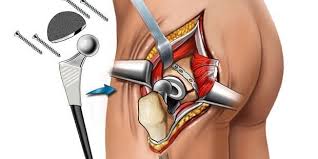
Hip pain and mobility issues can affect everyday life, whether caused by arthritis, injury or age-related wear. In many cases, expert medical care is required to restore comfort and movement. Choosing the right hip surgeon in Adelaide is an important decision that can influence treatment success, recovery and long-term mobility.
This patient checklist highlights key factors to consider when selecting a surgeon, helping you feel informed and confident throughout your treatment journey.
Why Choosing the Right Hip Surgeon Matters?
Hip surgery is a complex procedure that requires specialised training and experience. A skilled surgeon not only performs the operation safely but also guides recovery and rehabilitation. The right choice can lead to improved pain relief, better mobility and higher overall satisfaction with care.
Given the number of experienced orthopaedic surgeons in Adelaide, SA, available, careful evaluation is essential when choosing the right specialist.
Check Qualifications and Experience
Start by reviewing professional credentials. A reputable hip surgeon in Adelaide should hold recognised orthopaedic qualifications and be registered with the Australian medical authorities. Surgeons with advanced training or a strong focus on hip procedures often bring deeper expertise.
Experience is equally important. When considering orthopaedic surgeons in Adelaide, SA, ask how frequently they perform hip surgeries and whether they manage complex or revision cases. Regular experience with hip-specific procedures often leads to more consistent outcomes.
Understand Treatment Options
A good surgeon will not recommend surgery as the first solution. Instead, they should assess your condition carefully and discuss all appropriate options, including physiotherapy, medication, injections and lifestyle adjustments. Surgery should be considered only when conservative treatments are no longer effective or suitable.
This balanced approach ensures treatment decisions are based on your individual needs rather than a one-size-fits-all solution.
Hospital Facilities and Surgical Approach
The hospital environment plays an important role in patient care. Surgeons affiliated with well-equipped hospitals typically have access to modern operating theatres, experienced clinical teams and structured rehabilitation services. These factors can contribute to smoother surgery and recovery.
During consultations, ask your hip surgeon about surgical techniques, implant materials, pain management and expected recovery timelines. Clear and practical explanations indicate a thoughtful, up-to-date approach to care.
Communication and Patient Support
Strong communication is essential. A good surgeon listens carefully, explains diagnoses in simple language and encourages questions. Feeling comfortable and supported throughout the process can make a significant difference to your experience.
Patient reviews can also provide useful insight. Look for consistent feedback on professionalism, communication clarity, recovery outcomes, and follow-up care.
Post-Surgery Care and Rehabilitation
Recovery continues well after surgery. A reliable hip surgeon will outline a clear post-operative plan, including follow-up visits, pain management, physiotherapy and guidance on returning to daily activities. Comprehensive aftercare can greatly influence long-term mobility and quality of life.
Conclusion
Choosing the right hip surgeon is an important step towards improving movement and reducing pain. By focusing on qualifications, experience, communication and aftercare, patients can make informed decisions with confidence. With careful research and the right questions, it is possible to find skilled orthopaedic surgeons, a specialist who aligns with your health goals and supports you through every stage of treatment.
c