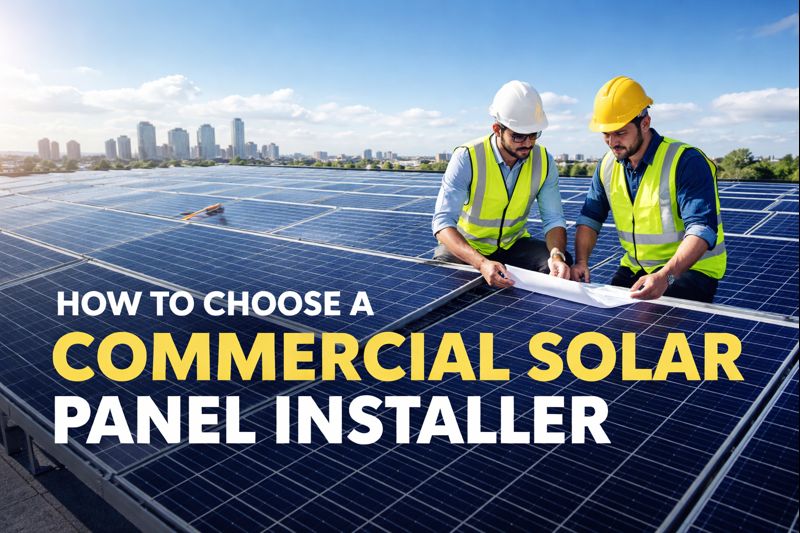
With rising electricity costs and increasing sustainability goals, many Australian businesses are turning to commercial solar systems to reduce operational expenses and carbon footprints. However, the success of your solar investment depends heavily on choosing the right commercial solar installation partner. A reliable installer ensures optimal system performance, long-term savings, and compliance with Australian standards.
This guide will help you understand the key factors to consider when selecting a commercial solar panel installer for your business.
1. Experience in Commercial Solar Systems
Commercial solar projects are far more complex than residential installations. They involve higher energy loads, larger rooftops or ground-mounted systems, and detailed energy assessments. When choosing an installer, look for proven experience specifically in commercial solar systems rather than general solar services.
Ask about:
- Previous commercial projects
- Industries they have worked with (warehouses, offices, retail, factories)
- System sizes they regularly install
An experienced installer will understand how to design systems that maximise efficiency while meeting your business’s energy demands.
2. Accreditation and Compliance
In Australia, solar installers must meet strict regulatory and safety standards. Ensure the company you choose employs CEC-accredited (Clean Energy Council) designers and installers. This accreditation guarantees that your commercial solar installation complies with national guidelines and qualifies for government incentives such as Small-scale Technology Certificates (STCs).
A trustworthy installer will also handle:
- Grid connection approvals
- Electrical compliance
- Local council regulations
Compliance is essential for system safety, performance, and insurance purposes.
3. Custom System Design and Site Assessment
No two businesses are the same, and a one-size-fits-all approach rarely works for commercial solar. A professional installer should conduct a detailed site assessment, analysing:
- Roof structure and orientation
- Energy consumption patterns
- Future business expansion plans
- Shading and space availability
Custom-designed commercial solar systems ensure maximum energy production and return on investment. Avoid installers who offer generic packages without evaluating your site.
4. Quality of Solar Panels and Equipment
The performance and lifespan of your solar system depend on the quality of its components. Ask your installer about the brands they use for:
- Solar panels
- Inverters
- Mounting systems
- Monitoring software
High-quality components may cost more upfront, but they deliver better efficiency, longer warranties, and fewer maintenance issues. A reliable commercial solar installer will recommend products proven to perform well in Australian conditions.
5. Transparent Pricing and ROI Analysis
A professional commercial solar installation company should provide a clear and detailed quote. This should include:
- Equipment costs
- Installation fees
- Maintenance requirements
- Estimated payback period
- Expected energy savings
Look for transparency rather than the cheapest option. An experienced installer will help you understand your return on investment (ROI) and long-term financial benefits, not just upfront costs.
6. After-Sales Support and Maintenance
Solar is a long-term investment, often expected to last 25 years or more. Ongoing support is just as important as installation. Ask about:
- System monitoring
- Maintenance plans
- Performance checks
- Fault response times
Reliable installers stand by their commercial solar systems with strong warranties and responsive after-sales service. This ensures your system continues operating efficiently for years to come.
7. Customer Reviews and Case Studies
Reputation matters when selecting a commercial solar installer. Look for:
- Google reviews
- Testimonials on their website
- Case studies of completed commercial projects
Positive feedback and documented success stories indicate consistent quality and customer satisfaction. A reputable installer will be happy to share references and examples of their work.
8. Knowledge of Government Incentives
Australian businesses can benefit from various solar rebates and incentives. An experienced installer will guide you through available programs and help you maximise savings. They should explain eligibility requirements and manage the paperwork as part of the commercial solar installation process.
This expertise can significantly reduce your upfront investment and improve project viability.
9. Safety Standards and Project Management
Commercial solar installations require strict safety protocols, especially on large rooftops or industrial sites. Choose an installer that prioritises workplace safety, uses certified equipment, and follows structured project management practices.
A professional approach ensures minimal disruption to your business operations and timely project completion.
Conclusion
Choosing the right commercial solar panel installer is crucial to the success of your renewable energy investment. By focusing on experience, accreditation, customised system design, quality equipment, transparent pricing, and long-term support, you can confidently invest in commercial solar systems that deliver reliable performance and lasting savings.
Partnering with a trusted commercial solar installation expert ensures your business benefits from clean energy while maximising financial and environmental returns. Take the time to research, compare, and choose a provider that aligns with your business goals and sustainability vision.