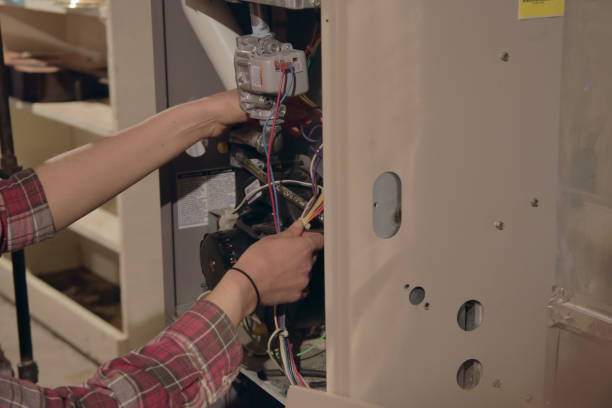
HVAC repair services
When your heat stops, your home can feel scary and unsafe. You may worry about kids, pets, or older family members. Also, cold air can stress your pipes and your budget. So, one big question comes up fast: How soon will help arrive, and how soon will I feel warm again?
In many cases, a heating repair can happen the same day, though timing depends on the issue, part availability, and even the weather. When working with HVAC repair services in Colorado Springs CO, there are a few smart steps you can take that often help speed things up.
In this guide, I’ll walk you through realistic timelines, simple ways to prepare, and what typically happens during a service visit—so you feel calm, informed, and ready to make a confident choice.
1) HVAC Repair Services in Colorado Springs CO: Fastest Fixes Usually Take 30–90 Minutes
Many heating problems come from minor, fixable issues. For example, a dirty filter can choke airflow. Also, a tripped switch can stop power. Because of that, some repairs move quickly once a tech arrives.
Homeowners often seek HVAC repair services to ensure speed and safety. That makes sense. First, a tech checks power, airflow, and thermostat settings. Next, they look for error codes and loose wires. Then, they test key parts.
“Most ‘no-heat’ calls start with basic checks,” a senior tech often says.
So, if the cause is simple, you may get heat back fast.
2) Your Schedule Depends On Triage And Demand
Timing starts before the repair. First, you need an appointment slot. In mild weather, many companies can offer same-day service. However, during a cold snap, demand spikes. Then, triage matters a lot.
Most dispatch teams sort calls by risk. For example, in freezing weather, no heat often rises to the top. Also, homes with infants or seniors may get priority. Because of that, your phone details matter.
To help yourself, share clear info:
- When the heat stopped
- Any error code on the thermostat or furnace
- Strange smells, sounds, or short cycling
As a result, the dispatcher can send the right tech sooner.
3) What Happens During A “Quick Repair” Visit
A fast service visit follows a clear process. HVAC repair services in Colorado Springs CO first confirm the issue, test the most likely causes, then repair and retest—helping reduce the chance of repeat visits.
Here’s what a quick visit often includes:
- Thermostat check: settings, batteries, and wiring
- Airflow check: filter, vents, and blower behaviour
- Safety check: flame sensor, limits, and venting
- System test: heat cycle start to finish
“We don’t guess. We test, fix, and test again.”
That approach helps you get reliable heat, not a short-term patch.
4) Parts And Approvals Can Add Hours Or Days
Sometimes the issue is not minor. Then, the repair may take longer. The most significant delay often comes from parts. For example, a defective inducer motor or control board may need to be replaced. Also, some parts fit only specific models.
In those cases, timelines vary:
- Standard parts may be available the same day.
- Special parts may take 1–3 business days.
- Rare parts can take longer, especially in peak season.
So, when you call for HVAC repair, ask a straightforward question. “Do you stock common furnace parts?” That can save you real time.
5) A Simple Timeline Table For Common Heating Issues
Below is a practical guide. Of course, every system differs. Still, these ranges help set fair expectations.
| Heating issue | Typical on-site fix time | Common reason |
|---|---|---|
| Clogged air filter | 10–20 minutes | Low airflow shuts the heat down |
| Thermostat problem | 20–60 minutes | Bad settings, wiring, or batteries |
| Dirty flame sensor | 30–60 minutes | The furnace lights, then shuts off |
| Igniter failure | 45–90 minutes | The ignition part needs replacement |
| Blower or inducer motor | 1–3 hours (plus part-time) | Motor swap and testing |
| Control board | 1–2 hours (plus part-time) | Wiring, setup, and safety checks |
HVAC repair is a core service across Colorado, including Colorado Springs.
6) How Can You Speed Up Your Heating Repair
You can’t fix every delay. However, you can remove common roadblocks. That helps you get warm sooner.
Try these steps before the tech arrives:
- Clear space around the furnace and vents
- Replace the filter if you have a spare
- Write down thermostat messages or error codes
- Keep pets secured for safe access
- Confirm gate codes and parking details
Safety comes first—if gas is present, power down the system, leave the house, and call the utility. Once safe, HVAC repair services in Colorado Springs CO can address the issue more efficiently.
7) When “Fast” Should Still Mean “Safe And Complete”
Speed feels great. Still, a rushed repair can miss a safety issue. So, the best teams balance speed with careful checks.
Inside this step, look for a few key habits.
- Fast, safe checks
Techs should confirm carbon monoxide risks and venting.
- Clean system testing
They should run a complete heat cycle after the fix.
- Clear next steps
They should explain what failed and why.
“A safe home is a warm home,” many trainers remind new techs.
Because of that, taking the time to repair systems properly helps prevent repeat issues, which is why HVAC repair services in Colorado Springs CO, emphasise post-repair safety checks.
Your home can feel warm again sooner than you think—so what’s your next move if the heat fails tonight? If you want fewer surprises, keep introductory notes, change filters on time, and schedule checkups before winter ramps up. And if you do need help, Impact Energy can be part of your plan for restoring steady heat and peace of mind.