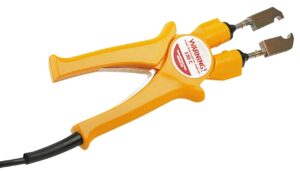
A Soldering Iron Head is one of the most important parts of any soldering tool. It controls how heat reaches the surface, how solder flows, and how accurately a user can work on delicate electronics. Whether you handle connectors, repair laptops, install switches, or work with microcontrollers, the right Soldering Iron Head helps create clean, stable, and lasting joints while improving both efficiency and safety.
What Is a Soldering Iron Head?
A Soldering Iron Head is the heated tip that transfers thermal energy from the iron to the soldering point. Although small in size, it has a major effect on the final result. Its shape, condition, and material influence how smoothly solder melts and how well it bonds to the target surface.
In electronics work, precision matters. A reliable tip helps technicians manage fine details without overheating nearby components. As devices become more compact, this level of control becomes even more valuable in modern repair and assembly tasks.
Why a Soldering Iron Head Matters in Electronics Work
The quality of a solder joint often depends on the tip in use. A worn or poorly matched Soldering Iron Head can slow the process and increase the chance of weak joints. On the other hand, a properly selected tip improves heat delivery and supports better workmanship.
A suitable head can help with:
- Faster and more controlled solder flow
- Cleaner joints on small electronics
- Better heat contact on connectors and terminals
- Reduced stress on capacitor leads and delicate sensors
- Improved handling for switches, controllers, and LEDs
- Safer and more consistent repair work
Because soldering tasks vary widely, choosing the right tip is essential for accuracy and long-term reliability.
Main Types of Soldering Iron Head Shapes
Different jobs require different head profiles. Each design supports a specific kind of soldering application.
Conical Head for Fine Detail Work
A conical Soldering Iron Head has a slim pointed end. It is often used in applications where space is tight and accuracy is essential.
This tip is useful for:
- Compact PCB repairs
- Fine work on sensors
- Small terminals in electronics
- Delicate tasks involving microprocessors
Its sharp point helps access narrow areas, although it may transfer less heat than broader tips.
Chisel Head for General Applications
A chisel tip features a flat edge that creates more contact with the workpiece. This makes it one of the most practical choices for everyday soldering tasks.
It is commonly used for:
- Connector assembly
- Cable and wire soldering
- Terminal joints
- Board level electronics work
Since it balances control and heat transfer, the chisel head is often preferred for regular workshop use.
Bevel Head for Faster Solder Flow
A bevel Soldering Iron Head has an angled edge that allows the user to hold a small bead of solder at the tip. This makes it suitable for smooth and efficient work across multiple joints.
It supports:
- Repetitive soldering tasks
- Surface mount applications
- Multi pin connectors
- Production based electronics assembly
For users who need speed without losing control, this profile offers clear benefits.
How Heat Transfer Supports Better Soldering
A Soldering Iron Head must transfer heat quickly and evenly. If the tip cannot deliver the correct amount of heat, solder may not flow properly. This often leads to weak joints, longer working times, and added risk to nearby components.
Efficient heat transfer improves:
- Joint strength
- Solder flow consistency
- Working speed
- Component protection
- Surface finish quality
This matters especially when working on thermal sensitive electronics such as LEDs, controllers, and microcontrollers. Too much heat can damage the part, while too little heat can leave an unreliable connection.
Material Quality and Tip Durability
The construction of a Soldering Iron Head affects both its performance and lifespan. Most quality tips use a copper core for fast heating and strong thermal conductivity. Manufacturers often add iron plating and protective layers to reduce wear and resist oxidation.
A well-made tip usually delivers:
- Stable thermal performance
- Better resistance to surface damage
- Longer service life
- Cleaner solder contact
- Lower maintenance needs
During frequent use, exposure to flux, oils, and heat cycles can wear the surface. Therefore, durable materials are essential for maintaining consistent results.
Best Ways to Maintain a Soldering Iron Head
Proper care helps extend the life of the tip and keeps soldering quality high. Even a premium Soldering Iron Head will perform poorly if it is not cleaned and maintained correctly.
Useful maintenance habits include:
- Clean the tip regularly during use
- Apply solder to the tip to keep it tinned
- Use the right temperature for each task
- Avoid abrasive cleaning methods
- Store the iron safely between jobs
- Replace damaged heads before quality drops
A clean, well-tinned tip allows solder to spread evenly. By contrast, a neglected tip often becomes oxidised and difficult to use.
Safety Tips When Using a Soldering Iron Head
Because the tip operates at very high temperatures, safe working habits are essential. Good preparation protects both the user and the components.
Important safety practices include:
- Keep the workspace clear and organised
- Use a secure iron stand
- Check cables and power leads before use
- Work in a ventilated area
- Avoid direct contact with heated surfaces
- Keep suitable tools nearby for handling components
These steps reduce risk while helping maintain focus and control.
Where a Soldering Iron Head Is Commonly Used
A Soldering Iron Head supports a wide range of technical applications. It is widely used in product assembly, equipment repair, and routine maintenance across many industries.
Common uses include:
- Repairing laptops and small electronic devices
- Assembling connectors and switches
- Installing sensors and controllers
- Working on boards with capacitor components
- Repairing electronics in tools and instruments
- Supporting precise tasks in microcontrollers and microprocessors
It also plays a role in projects involving fuses, thermal pads, contactors, and specialist electronics hardware. As systems become smaller and more advanced, tip precision becomes even more valuable.
Signs That a Soldering Iron Head Needs Replacement
Even with proper maintenance, a Soldering Iron Head will eventually wear out. Using a worn tip can lead to poor solder flow and inconsistent heating.
Common signs include:
- Solder no longer sticks properly
- The tip surface looks rough or pitted
- Heat transfer becomes uneven
- Joints take longer to complete
- Dark oxidation remains after cleaning
Replacing the tip at the right time improves efficiency and protects sensitive components from unnecessary heat exposure.
Why the Right Soldering Iron Head Makes a Difference
A Soldering Iron Head does far more than heat solder. It determines how accurately heat is applied, how well solder bonds, and how easily users can manage fine detail work. From connectors and cables to sensors and controllers, the correct head improves performance across many soldering tasks.
When users select the right shape, maintain it properly, and replace it when needed, they achieve better results with less effort. In electronics, where precision and reliability are essential, the Soldering Iron Head remains a vital tool for high-quality work.