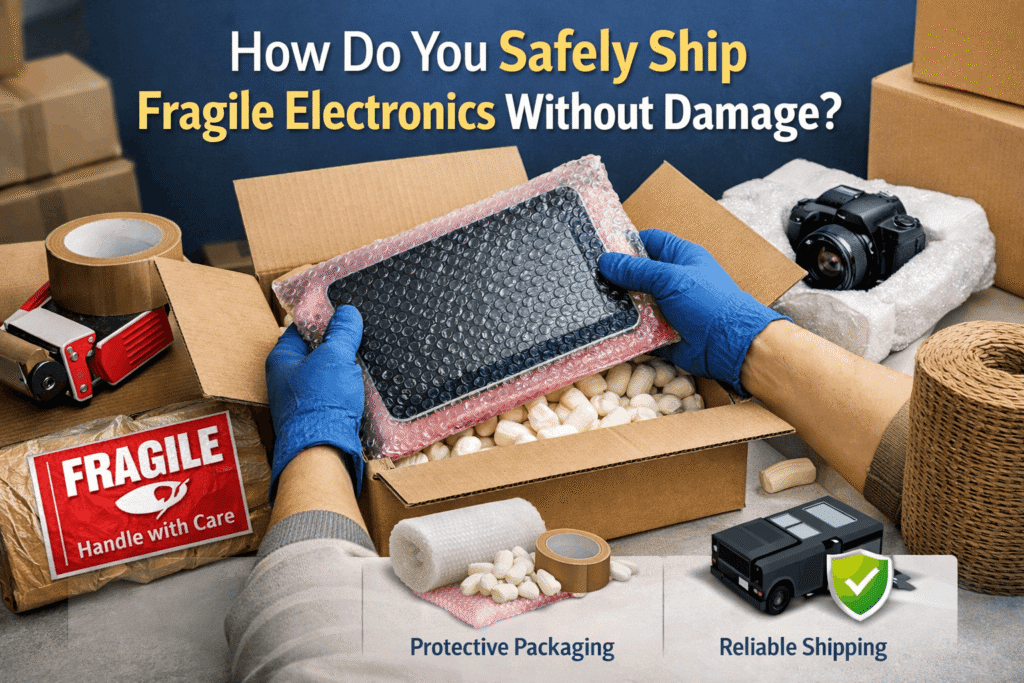
If you’ve ever packed a laptop, camera, or gaming console for shipping, you probably know that a normal cardboard box isn’t enough. Electronics may look solid from the outside, but the parts inside are delicate. A sudden drop, pressure from another parcel, or even constant vibration during transport can cause damage. That’s why careful packing matters so much.
In real shipping environments—whether in small online businesses or busy warehouse operations—electronics are packed with multiple protective layers. The idea is not just to wrap the item once and seal the box. Instead, each layer plays a specific role: preventing scratches, absorbing shocks, and stopping the device from moving around.
When used properly, these materials work together to create a protective cushion around the product. This greatly improves the chances that the item will arrive in perfect condition, even after travelling long distances.
What Should You Do Before Packing an Electronic Device?
Anti-static bubble pouch
Before adding any heavy cushioning, it’s important to think about static electricity. Electronic components can be sensitive to electrostatic discharge. Even a tiny spark that you cannot see may damage internal circuits.
Because of this, many people start by placing the device inside an anti-static pouch. These pouches are commonly used when shipping computer parts such as processors, hard drives, or graphics cards. They help prevent static buildup while also adding a light protective layer.
For example, technicians who ship replacement computer parts rarely skip this step. As soon as the component is removed from a workstation, it goes straight into an anti-static pouch before anything else is done. It’s a habit built from experience, and it helps prevent avoidable damage.
Which bubble-based materials are useful for fragile electronics?
Small Bubble Wrap
Bubble cushioning has been used in packaging for many years, and it remains one of the most effective ways to protect delicate items. The air pockets inside Bubble Wrap absorb shock and reduce the impact of sudden movement.
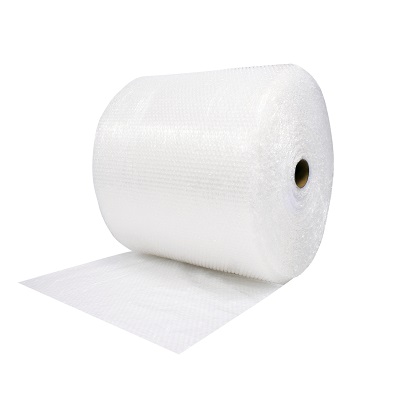
For smaller electronics or accessories, packers often choose Small Bubble Wrap. The compact bubbles protect without adding too much bulk to the package.
Many people combine bubble cushioning with foam layers to create extra protection. The foam helps prevent scratches, while the air pockets soften any impact the package might experience during transport.
Packing Peanuts
Another useful material when packing electronics is loose-fill cushioning, often known as packing peanuts. These small pieces are placed inside the box to fill the empty spaces around the wrapped device.
Space inside a package can cause problems. When the parcel moves during transport, the product may slide around and hit the sides of the box. Loose fill materials help prevent this by surrounding the item and holding it in place.
In many fulfilment centres, workers add a layer of loose peanut filler at the bottom of the box, place the wrapped product in the middle, and then pour more filler on top. This creates a protective cushion on all sides.
Why Does the Outer Box Make Such a Difference?
Rigid Cardboard Boxes
The outer box is often overlooked, but it plays a big role in protecting electronics. Parcels are frequently stacked in delivery vehicles and sorting facilities, which means the box must be strong enough to support the weight of other packages.
Rigid corrugated cardboard boxes are commonly used because they provide good strength without adding too much weight. Their layered construction helps them resist bending or crushing during transit.
Experienced packers usually choose a box that allows some space for protective materials while still keeping the device stable. If the box is too large, the item may move around. If it’s too small, the cushioning layers may not work properly.
How Are Multiple Electronic Packages Secured for Shipping?
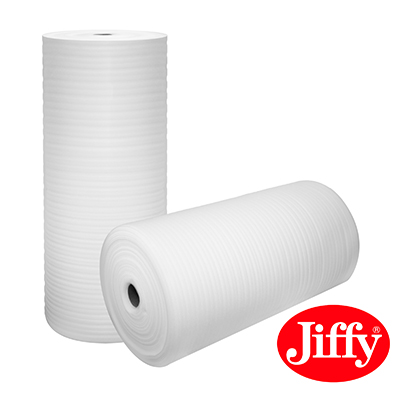
Foam Wrap Rolls
When businesses ship several electronic items together, the boxes are often stacked on pallets before being transported. Keeping those boxes stable is important, especially when they are moved with forklifts or loaded into delivery trucks. Foam wrap rolls keep the material secure.
To secure the stack, many warehouses apply stretch film around the pallet. This process keeps the cartons tightly held together so they don’t slide or tip during transport. A common material used for this purpose is pallet wrap, which creates a firm outer layer around the shipment.
In addition to stabilising the load, the wrapping also helps protect the packages from dust and light moisture during the journey.
Conclusion
Shipping fragile electronics safely isn’t about using just one type of packaging. It’s about building several layers of protection so the device remains secure from start to finish.
Anti-static protection helps safeguard sensitive components. Foam wraps and bubble cushioning absorb shocks and prevent scratches. Loose fillers stop the item from shifting inside the box, while a sturdy outer carton provides structural strength.
When larger shipments are involved, securing the boxes with stretch film helps keep everything stable during transport.
People who regularly ship electronics understand that careful packing saves time, money, and frustration. A few extra minutes spent adding proper protection can ensure that the device reaches its destination in the same condition it left.