How Can Ultrasonic Cleaners Transform Your Cleaning Process in 2026?
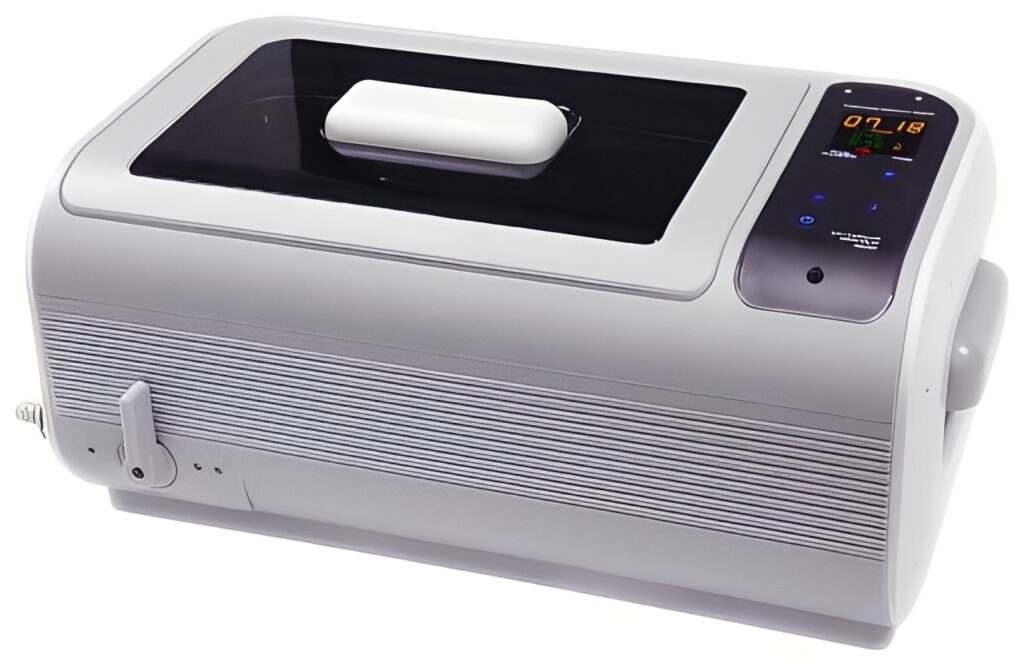
Ultrasonic Cleaners
Cleaning intricate tools, precision components, or delicate materials often requires more than just traditional methods. Ultrasonic Cleaners offer an advanced solution that delivers unmatched precision, speed, and consistency. These machines are designed to clean items thoroughly, even in the most challenging areas, without the need for scrubbing, brushing, or abrasive chemicals.
This article explores the inner workings, wide-ranging uses, and real-world benefits of Ultrasonic Cleaners, helping you understand why they are the preferred choice for cleaning in modern industries.
What Is the Science Behind Ultrasonic Cleaning?
Ultrasonic Cleaners use high-frequency sound waves, typically between 20 kHz and 80 kHz, to create millions of tiny vacuum bubbles in a cleaning solution. These bubbles collapse rapidly, generating shock waves that lift contaminants from surfaces, a process known as cavitation.
How Cavitation Works:
- Sound waves travel through the liquid, generating pressure fluctuations.
- Microscopic bubbles form and implode, releasing energy.
- Contaminants are dislodged, even from narrow holes and tight crevices.
Because this action happens at a microscopic level, it is capable of cleaning areas that are invisible or unreachable by hand.
What Types of Contaminants Can Ultrasonic Cleaners Remove?
Ultrasonic Cleaners are exceptionally effective at removing both visible and microscopic debris. They can clean a wide range of contaminants from various materials without damaging the surface.
Common Contaminants Removed:
- Dust and fine particles
- Oils, grease, and lubricants
- Rust, scale, and oxidation residues
- Polishing compounds and waxes
- Biological contaminants such as blood or tissue residues
- Flux, solder paste, and electronic residues
This makes them an excellent choice for industries where cleanliness directly impacts performance or safety.
Where Can You Use Ultrasonic Cleaners Effectively?
From laboratories to manufacturing plants, Ultrasonic Cleaners have proven valuable across a wide variety of sectors. Their reliability and gentle cleaning action make them ideal for sensitive, expensive, or detailed items.
Popular Industry Applications:
- Medical and Dental Fields: Sterilization prep for surgical tools and dental equipment.
- Watchmaking and Jewelry: Cleaning delicate chains, settings, and mechanisms.
- Electronics: Removing flux and debris from circuit boards and semiconductors.
- Aerospace and Defense: Cleaning precision instruments and flight components.
- Optics and Photography: Maintaining the clarity of lenses and camera parts.
- Automotive and Engineering: Degreasing carburetors, injectors, and fuel components.
These sectors rely on Ultrasonic Cleaners to maintain both quality and hygiene standards.
What Are the Key Components of an Ultrasonic Cleaner?
Understanding the components of an Ultrasonic Cleaner can help users select the right model and operate it effectively. Each part plays a role in ensuring efficient and consistent cleaning performance.
Main Components Include:
- Ultrasonic Generator: Converts electrical energy into high-frequency sound waves.
- Transducers: Mounted to the tank, they create the ultrasonic vibrations.
- Cleaning Tank: A stainless steel basin that holds the solution and items.
- Heater (optional): Warms the cleaning fluid to enhance effectiveness.
- Control Panel: Allows adjustment of settings such as time, temperature, and frequency.
These features work together to deliver a seamless cleaning experience with minimal user intervention.
What Are the Different Types of Ultrasonic Cleaners?
Ultrasonic Cleaners come in a range of sizes and configurations to accommodate different cleaning needs—from personal use to industrial-scale operations.
Types You May Encounter:
- Benchtop Models: Compact units for home, lab, or light-duty applications.
- Industrial Systems: Larger tanks and higher wattage for bulk cleaning tasks.
- Multi-Tank Systems: Include rinse and drying stages for advanced workflows.
- Custom-Designed Units: Tailored to specific items or production lines.
Choosing the right model depends on the volume, size, and sensitivity of the items you plan to clean.
How to Use Ultrasonic Cleaners for Best Results?
Using Ultrasonic Cleaners is straightforward, but following best practices can significantly improve performance and prevent damage to items or equipment.
Recommended Steps:
- Select a compatible cleaning solution based on the material and contaminants.
- Fill the tank with the solution, ensuring it reaches the appropriate level.
- Place items in a basket, avoiding direct contact with the tank base.
- Run a degas cycle, if available, to remove trapped air.
- Set the desired temperature and cleaning time.
- Start the cycle and allow cavitation to clean all surfaces.
- Rinse and dry items after cleaning, especially if using detergent-based fluids.
Adhering to these steps ensures maximum efficiency and prolongs the life of both the cleaner and the items.
What Are the Advantages of Using Ultrasonic Cleaners?
Ultrasonic Cleaners offer a variety of benefits that traditional methods cannot match, especially when it comes to precision and consistency.
Major Advantages:
- Deep Cleaning: Reaches into tiny crevices, holes, and complex geometries.
- Non-Invasive Process: No friction, scratching, or surface wear.
- Time-Saving: Multiple items can be cleaned at once in minutes.
- Reduced Chemical Use: Effective even with mild or diluted solutions.
- Uniform Results: Every part is cleaned equally, regardless of shape or placement.
- Versatility: Suitable for a wide range of industries and materials.
These benefits make Ultrasonic Cleaners a smart long-term investment for both small businesses and large operations.
What Are the Limitations of Ultrasonic Cleaning?
Although Ultrasonic Cleaners are highly effective, there are some limitations to be aware of to ensure safe and proper use.
Key Limitations:
- Not Suitable for Soft or Porous Items: Materials like rubber or foam may degrade.
- Items Must Be Submersible: Only components that can be fully immersed are eligible.
- High Initial Cost for Industrial Units: Large systems may require a higher investment.
- Cleaning Solution Management: Requires regular draining and replacement for best performance.
Understanding these limitations helps users apply the technology where it delivers the most value.
Conclusion: Why Choose Ultrasonic Cleaners?
Ultrasonic Cleaners provide a cutting-edge, highly effective way to clean parts and tools that require precision. They combine speed, safety, and deep cleaning action, making them ideal for various industries where performance and hygiene are critical.
With the ability to clean intricate shapes, reduce manual labor, and protect delicate materials, Ultrasonic Cleaners stand out as one of the most efficient cleaning solutions available today. Whether in a professional workshop or a high-volume production facility, these machines elevate your cleaning process to the next level.