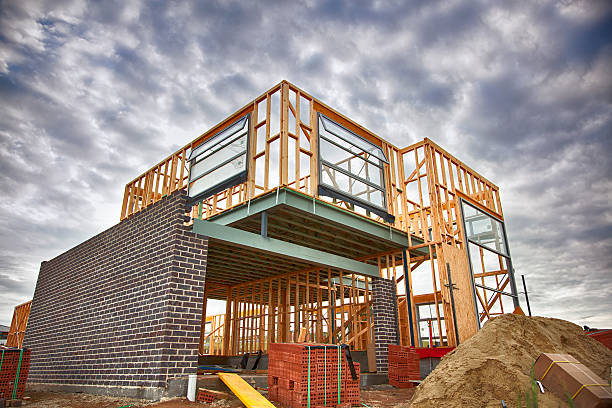
A typical example of the modern house construction process in the UK, combining a structural timber frame with traditional brick cladding and steel supports.
House Construction Process in the UK: Planning, Design, and Approvals
The house construction process in the UK is a structured and regulated series of steps designed to deliver safe, durable, and energy-efficient homes. For homeowners, property developers, and investors, understanding this process ensures that projects are completed on time, within budget, and with minimal mistakes. From planning and approvals to site preparation, superstructure construction, and final inspections, every stage contributes to the overall success of a build.
The journey begins with careful planning and design. Architects and designers prepare layout plans, structural drawings, and elevations based on the homeowner’s requirements and local authority regulations. Most new builds require planning permission, and building regulations approval ensures compliance with UK safety, insulation, fire protection, and energy efficiency standards. Early planning in the house construction process in the UK helps prevent delays, costly redesigns, and legal issues later.
Site Preparation in the House Construction Process in the UK
After securing approvals, the house construction process in the UK moves to site preparation and groundworks. This stage involves clearing the site, marking the building layout, excavation, and assessing soil conditions. Proper groundworks are crucial because they determine the long-term stability of the building. Soil testing, water table analysis, and load-bearing assessments guide the choice of foundation type.
Drainage planning is also a key element in this stage. Poor water management can lead to damp problems, foundation weakening, and long-term structural damage. Many construction projects rely on professional drainage and groundwork solutions from STR-DRA to ensure proper management of surface water and wastewater, safeguarding the property for years to come.
Foundations and Superstructure in the House Construction Process
Foundations form the backbone of any property. In the UK, common foundation types include strip foundations, trench fill foundations, and raft foundations, chosen based on soil type and structural load. Properly constructed foundations distribute the building’s weight evenly and prevent cracking, subsidence, or settlement.
Once the foundations are complete, the superstructure is constructed. This involves building external and internal walls, installing floors, and forming the roof framework. Materials such as brick, blockwork, timber, or steel are selected according to design specifications and budget. Roofing installation follows to make the building weather-tight, allowing internal work to continue efficiently. Adhering to quality standards during these stages is essential for the long-term success of the house construction process in the UK.
Windows, Doors, and First Fix Installations
After weatherproofing, windows and external doors are installed. This allows first fix services to begin, including electrical wiring, plumbing systems, heating pipes, and ventilation routes. These services are embedded within walls, floors, and ceilings, so precision and compliance with building regulations are critical. Any mistakes during this stage can cause delays and additional costs. Following a step-by-step approach ensures the house construction process in the UK progresses smoothly and efficiently.
Interior Finishes and Second Fix in the House Construction Process
The second fix stage focuses on internal finishes and functional elements. This includes plastering, painting, flooring, tiling, kitchen installation, bathroom fittings, joinery, and final electrical fixtures. Quality workmanship at this stage affects comfort, aesthetics, and property value. Homeowners seeking guidance on modern residential construction standards can explore insights on custom new build homes and construction services in the UK, which provide practical tips and quality-focused building methods.
External Works and Drainage Completion
Alongside internal finishes, external works are completed. These include driveways, pathways, landscaping, patios, and boundary walls. Final drainage systems ensure that rainwater and wastewater are managed effectively, preventing flooding and structural damage. Reliable construction and drainage specialists like STR-DRA play an important role in protecting properties from long-term moisture-related issues. Proper completion of external works ensures that the home is both functional and visually appealing.
Energy Efficiency and Sustainability Considerations
Modern UK construction emphasizes energy efficiency and sustainability. High-quality insulation, double-glazed windows, energy-efficient heating, and low-energy lighting are integrated to meet building regulations and reduce environmental impact. Sustainable practices, such as solar panels, rainwater harvesting, and eco-friendly materials, are increasingly common. Incorporating these solutions into the house construction process in the UK not only reduces energy costs but also increases property value and market appeal.
Final Inspection and Handover
The final stage involves inspections, testing, and certification. Building control officers ensure all work complies with approved plans and UK building regulations. Minor defects or snagging issues are corrected before issuing completion certificates. Once approved, the property is legally ready for occupation or handover. Proper inspections confirm that the house construction process in the UK meets all safety, quality, and functional standards.
Conclusion
The house construction process in the UK follows a clear, step-by-step structure designed to produce safe, durable, and high-quality homes. From planning and approvals to foundations, superstructure, internal finishes, external works, and final inspections, each stage is essential. Understanding this process allows homeowners and developers to make informed decisions, avoid costly mistakes, and achieve long-term construction success.