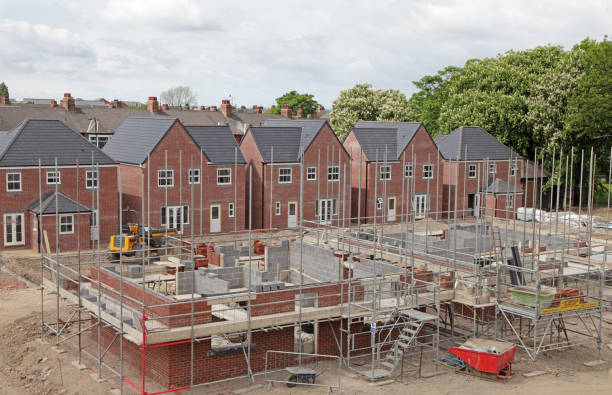
A look at a multi-unit development site, highli
Understanding the house construction cost in the UK is essential for anyone planning to build a new home. Whether you are a first-time self-builder or an experienced property developer, construction costs can vary significantly depending on design, materials, labour, and location. With rising material prices and changing building regulations, having a clear cost breakdown helps you plan better, avoid surprises, and keep your project within budget.
This guide explains the full cost structure of house construction in the UK, broken down by stages and materials, so you can make informed decisions at every step.
Average House Construction Cost in the UK
On average, the house construction cost in the UK ranges between £1,800 and £3,000 per square metre, depending on build quality and complexity. A standard three-bedroom house typically costs £180,000 to £300,000, excluding land purchase, planning fees, and professional services.
Several factors influence the total cost, including:
-
Property size and layout
-
Choice of materials and finishes
-
Labour rates in your region
-
Structural complexity
-
Energy-efficiency requirements
London and the South East usually have higher construction costs due to labour and logistics, while northern regions may offer more affordable build rates.
Stage-by-Stage House Construction Cost Breakdown
1. Site Preparation and Groundworks
This stage includes land clearance, excavation, drainage, and foundations. Groundworks generally account for 10–15% of the total build cost. Challenging soil conditions, sloped land, or the need for deep foundations can significantly increase expenses.
Typical costs:
-
Foundations and drainage
-
Ground levelling
-
Utility connections
Unexpected ground conditions are one of the most common reasons construction budgets exceed estimates.
2. Structural Build and Superstructure
The superstructure includes walls, floors, and the main frame of the building. This stage forms the core of the house and can take up 25–30% of the overall construction cost.
Material choices greatly impact pricing:
-
Traditional brick and block is durable but labour-intensive
-
Timber frame systems offer faster build times and lower labour costs
-
Steel frames are suitable for complex or modern designs but cost more
Choosing the right structure balances long-term durability with upfront costs.
3. Roofing and External Shell
Roofing, windows, and external doors protect the building from weather and complete the shell. This stage usually accounts for 10–15% of the total cost.
Cost factors include:
-
Roof type (pitched or flat)
-
Roofing materials such as tiles, slate, or metal
-
Energy-efficient windows and doors
High-quality roofing and insulation reduce future maintenance and energy bills.
4. Internal Systems and First Fix
The first fix stage covers plumbing, electrical wiring, heating systems, and ventilation. It generally makes up 10–12% of the build cost.
Modern homes often include:
-
Underfloor heating
-
Energy-efficient boilers or heat pumps
-
Smart home wiring
Investing in efficient systems at this stage lowers long-term operational costs and increases property value.
5. Second Fix and Interior Finishes
Second fix includes plastering, flooring, kitchens, bathrooms, doors, and decorative finishes. This is where costs vary the most, accounting for 15–20% of the total budget.
Premium finishes such as bespoke kitchens, hardwood flooring, and designer fixtures can significantly increase the house construction cost in the UK. However, strategic choices allow you to achieve a high-end look without overspending.
6. Professional Fees and Compliance
Professional services are often overlooked but essential. These include:
-
Architects and structural engineers
-
Building control approvals
-
Planning permissions and inspections
In many cases, working with specialists who understand structural safety, compliance, and damage prevention ensures your project meets all UK building standards and avoids costly legal or structural issues later.
Materials and Their Impact on Construction Cost
Material selection plays a major role in the total house construction cost in the UK. While budget materials reduce upfront expenses, they may lead to higher maintenance or energy costs in the future.
Key material considerations:
-
Insulation quality affects heating efficiency
-
Sustainable materials may reduce long-term costs
-
Low-maintenance exteriors save repair expenses
Balancing durability, aesthetics, and performance is crucial for long-term value.
Custom New Build Homes and Cost Flexibility
Opting for custom new build homes allows homeowners to control layouts, materials, and energy efficiency. Customisation can increase initial costs, but it also prevents expensive modifications later. Many homeowners choose tailored designs to suit lifestyle needs while keeping costs manageable through phased construction and smart material choices.
How to Reduce House Construction Costs Without Compromising Quality
You can control the house construction cost in the UK by:
-
Finalising designs before construction begins
-
Avoiding frequent design changes
-
Comparing contractor quotes carefully
-
Using standard materials where possible
-
Planning energy efficiency early
Proper project management and realistic budgeting are key to staying on track.
Final Thoughts
The house construction cost in the UK depends on many interconnected factors, from ground conditions and materials to finishes and professional expertise. By understanding each construction stage and planning carefully, you can build a high-quality home that meets your budget and long-term needs.
Whether you are developing a standard family home or a fully customised property, informed decisions at every stage lead to smoother construction, fewer delays, and better financial outcomes.