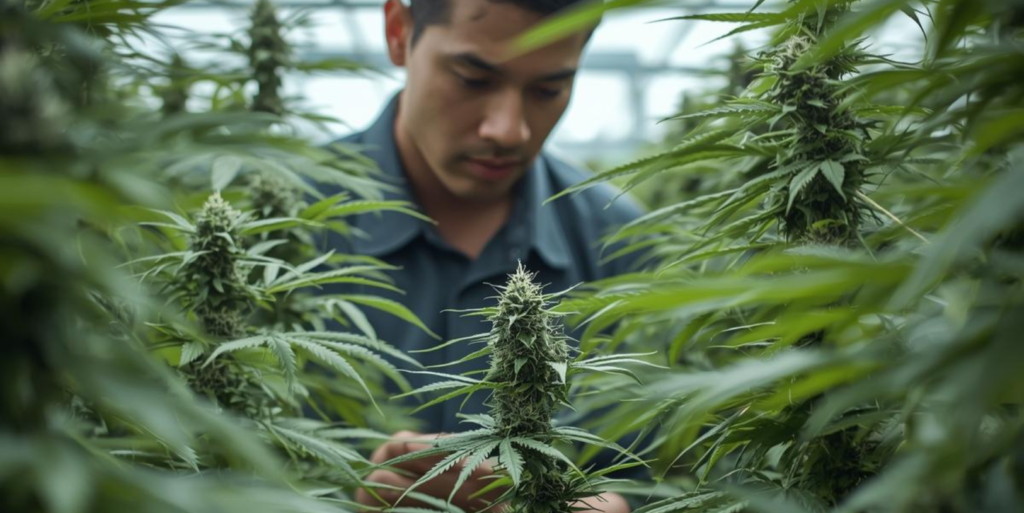
Harvest Cannabis at the Perfect Time: Methods, Tips, and Best Practices
Knowing when and how to harvest cannabis is one of the most important skills for any grower. After weeks or months of nurturing the plants through their growth cycle, the harvest stage determines the final potency, flavor, and overall quality of the buds. A well-timed harvest preserves the cannabinoids and aromatic compounds that give cannabis its unique characteristics.
Many beginners assume that harvesting cannabis is simply a matter of cutting the plant and letting it dry. However, experienced cultivators understand that the process involves observation, patience, and careful handling. From identifying plant maturity to managing drying and curing conditions, every step plays a critical role in the final outcome.
Learning the correct way to harvest cannabis helps ensure that the plant’s natural compounds remain intact and that the buds develop their best aroma and texture. This guide explores the harvesting process in detail, including timing, techniques, preparation, and practical tips that can help growers achieve consistent and high-quality results.
Understanding the Final Stage of Cannabis Cultivation
Harvesting marks the transition from plant growth to product preparation. During the flowering stage, cannabis plants produce resin-rich buds filled with cannabinoids and terpenes. These compounds develop gradually and reach their peak at a specific moment.
When growers decide to harvest cannabis, they are essentially capturing the plant at its most potent stage. Harvesting too early can reduce the strength and flavor of the buds, while harvesting too late may cause certain compounds to degrade.
Because of this delicate timing, cultivators spend considerable time observing their plants as they approach maturity. Environmental factors such as light, temperature, and humidity also influence the development of the buds, making careful monitoring essential.
How to Identify the Right Time to Harvest Cannabis
Examining Trichomes Closely
The most reliable way to determine when to harvest cannabis is by inspecting the trichomes. Trichomes are the tiny crystal-like structures that cover the buds and leaves. They contain the majority of the plant’s cannabinoids and aromatic oils.
When viewed under magnification, trichomes change appearance as the plant matures. Early in the flowering stage, they appear transparent. As the plant reaches maturity, they turn cloudy or milky, indicating peak cannabinoid levels.
Some growers wait until a portion of the trichomes turns amber. This stage signals that certain cannabinoids are beginning to break down, which can alter the overall effects of the plant.
Observing Pistil Changes
Another sign that it is time to harvest cannabis is the appearance of the pistils. Pistils are the hair-like strands found on the buds. As the plant matures, these hairs darken and curl inward.
Although pistils alone are not the most precise indicator, they help confirm the plant’s readiness when combined with trichome observation. When most pistils have darkened and the trichomes appear milky, the plant is usually ready for harvest.
Preparing Your Workspace Before Harvest
Organizing a Clean Harvesting Area
Before growers begin to harvest cannabis, it is important to prepare a suitable environment for processing the plants. A clean and organized space helps prevent contamination and allows the harvesting process to run smoothly.
Many cultivators use a dedicated trimming table or workspace where they can comfortably cut branches and handle the buds. Proper ventilation and moderate humidity are also essential for maintaining the quality of freshly harvested cannabis.
Tools Needed for Cannabis Harvesting
While harvesting does not require complex equipment, having the right tools makes the process much easier. Sharp pruning shears or trimming scissors are essential for cutting branches and removing leaves without damaging the buds.
Protective gloves are also commonly used because cannabis resin is sticky and can quickly coat the hands. Clean tools and proper handling ensure that the buds remain intact and visually appealing.
Techniques Used to Harvest Cannabis Plants
Cutting the Entire Plant
One common method used to harvest cannabis is removing the entire plant from its base. This technique allows the whole plant to be hung upside down for drying.
Many growers prefer this approach because it slows down the drying process slightly. Slower drying often helps maintain terpene levels, which are responsible for the aroma and flavor of cannabis.
Harvesting Branches Individually
Another technique involves cutting the plant branch by branch. This method is useful when different sections of the plant mature at different times.
By removing only the branches that are ready, growers can allow the remaining buds to continue developing. This selective approach ensures that each part of the plant reaches its optimal harvest stage.
Trimming Cannabis After Harvest
Wet Trimming Immediately After Harvest
Wet trimming occurs directly after growers harvest cannabis. During this process, the large fan leaves and smaller sugar leaves are removed while the plant is still fresh.
This method can speed up the drying process because excess plant material is removed early. Wet trimming also makes it easier to shape the buds before they begin to dry.
Dry Trimming After the Buds Have Dried
Dry trimming takes place after the cannabis has been hung and dried for several days. At this stage, the leaves become brittle and easier to separate from the buds.
Many experienced growers prefer dry trimming because it may help preserve the trichomes during the drying process. It can also allow the buds to dry more evenly.
Drying Cannabis the Right Way
After growers harvest cannabis, the drying stage begins immediately. Drying removes moisture from the buds while protecting the delicate cannabinoids and terpenes.
The environment used for drying plays a significant role in the final quality. Rooms that are too warm or too dry can cause the buds to lose aroma and flavor quickly. On the other hand, environments with high humidity may encourage mold growth.
A balanced environment with gentle airflow helps the buds dry gradually. This slow drying process helps preserve flavor, texture, and potency.
Why Curing Is Essential After Harvest
The Purpose of Cannabis Curing
Curing is the final step after growers harvest cannabis and complete the drying stage. During curing, the buds are stored in sealed containers where moisture redistributes throughout the flower.
This process improves the smoothness of the smoke and enhances the plant’s aroma. Proper curing also helps stabilize cannabinoids and extend the shelf life of the buds.
How Curing Improves Quality
During the curing process, natural chemical changes continue to occur inside the buds. Chlorophyll slowly breaks down, reducing the harsh taste that fresh cannabis may have.
At the same time, the terpene profile becomes more pronounced, giving the buds a richer aroma. High-quality cannabis products often undergo curing for several weeks to achieve the best results.
Common Errors to Avoid During Cannabis Harvest
Even experienced cultivators can make mistakes when they harvest cannabis. One frequent issue is harvesting too early because the buds appear large enough. However, size alone does not indicate maturity.
Another common problem occurs when buds are dried too quickly. Rapid drying can damage terpenes and reduce the flavor of the final product.
Improper curing is also a major mistake. Sealing buds in containers without monitoring moisture levels can lead to mold growth and spoil the harvest. Careful attention throughout the entire process prevents these problems.
Practical Tips for Better Harvest Results
Growers who want to improve the quality of their crops when they harvest cannabis often focus on patience and observation. Monitoring plant maturity closely helps ensure that harvesting occurs at the ideal time.
Maintaining a clean workspace and using sanitized tools also protects the product from contamination. Small details like proper airflow and consistent temperature during drying can significantly influence the final quality.
Experienced cultivators often keep notes about their harvesting schedule, drying conditions, and curing times. These records help refine future harvests and improve overall consistency.
Conclusion
The moment growers decide to harvest cannabis represents the culmination of an entire cultivation cycle. Months of care and attention lead up to this stage, and the way the harvest is handled ultimately determines the quality of the final product.
From identifying the perfect harvest window to carefully trimming, drying, and curing the buds, every step requires patience and precision. Even small adjustments in timing or environmental conditions can make a noticeable difference in potency, aroma, and overall experience.
By understanding the science and techniques behind harvesting, growers can preserve the plant’s natural compounds and produce cannabis that meets high standards of quality. With the right approach, the harvest stage becomes not just the end of the growing process but the beginning of a refined and well-prepared final product.