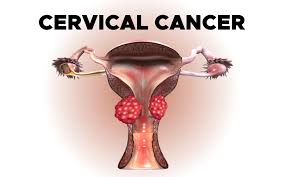
Cervical cancer can often be managed effectively when detected early and treated through a structured medical approach. Advances in screening, diagnosis, and treatment planning have improved patient outcomes while reducing complications. A modern approach to Cervical Cancer treatment focuses on accurate diagnosis, appropriate treatment selection, and planned recovery support under medical supervision. After diagnosis, doctors clearly explain treatment options, timelines, and recovery considerations, helping patients make informed decisions and prepare for care with confidence.
Recognising the Need for Medical Evaluation
Cervical cancer often develops gradually and may not cause symptoms in its early stages. Some patients may experience irregular bleeding, pelvic discomfort, or changes in vaginal discharge. These symptoms do not confirm cancer should always be assessed by a qualified medical professional.
Routine screening plays a key role in the early detection of cervical changes. Tests such as Pap smears and HPV screening help detect abnormal cells before they develop into cancer. Early evaluation can reduce the need for more complex treatment and improve recovery outcomes.
Confirming the Diagnosis Accurately
When screening results are abnormal, doctors perform additional tests to confirm the diagnosis. These tests help determine whether cancer is present and assess its extent, enabling doctors to make accurate and timely treatment decisions.
Diagnosis usually involves clinical examination, biopsy, and imaging tests. Doctors clearly explain the purpose and findings of each test. This ensures patients understand their condition and the reasons for further treatment planning.
Staging and Its Importance in Treatment Planning
Staging determines the extent of cancer progression and guides treatment decisions. It considers tumour size, local spread, and involvement of nearby tissues.
Precise staging helps doctors choose the most suitable treatment approach. Early-stage disease may require limited treatment, while advanced stages often need a combination of therapies. Proper staging prevents unnecessary treatment and supports effective care while prioritising patient safety.
Personalised Treatment Planning
Treatment planning follows a personalised approach. Specialists from relevant medical fields collaborate to develop a plan based on diagnostic findings and patient-specific factors. Doctors consider age, general health, and individual circumstances during planning. Patients participate in discussions to ensure understanding of the treatment plan and to raise concerns. This approach supports compliance and continuity of care.
Surgical Management in Cervical Cancer Care
Surgery is commonly used in early-stage cervical cancer when clinically appropriate. Before recommending surgery, doctors assess whether it is suitable for the patient’s condition.
Key aspects of surgical care include:
- Removal of affected tissue while preserving healthy areas where possible
- Selection of surgical technique based on cancer stage and patient health
- Post-surgical monitoring to ensure proper healing
After surgery, follow-up visits help doctors assess recovery and address any concerns promptly.
Radiation and Medical Treatment Approaches
Radiation and medical therapies may be required when surgery alone is not sufficient. These treatments form part of a planned approach based on disease stage.
Treatment considerations include:
- Use of radiation therapy to control cancer growth
- Medical therapies to support radiation or manage advanced disease
- Regular monitoring to manage side effects and adjust treatment if needed
Doctors review patient response throughout treatment to ensure safety and effectiveness under appropriate clinical supervision.
Supporting Physical and Emotional Well-being During Treatment
Treatment can affect physical and emotional well-being. Supportive care addresses pain, fatigue, and nutritional needs during treatment, while also helping patients manage stress and maintain daily routines safely. Healthcare teams encourage patients to report symptoms promptly. Early management of side effects helps maintain treatment schedules and reduces discomfort.
Recovery and Long-Term Follow-Up Care
Recovery begins after treatment completion and continues through regular follow-up visits. Doctors monitor healing, assess treatment response, and address any ongoing concerns related to physical or emotional recovery.
Long-term follow-up helps identify recurrence early and supports ongoing health management. Patients receive guidance on daily activities, lifestyle balance, and ongoing screening, as required, in consultation with their healthcare providers.
Importance of Early Diagnosis and Structured Care
Early diagnosis improves treatment outcomes in cervical cancer. Structured care systems support timely diagnosis, treatment coordination, and follow-up.
Benefits of structured care include:
- Reduced delays between diagnosis and treatment
- Consistent communication across care teams
- Clear guidance throughout treatment and recovery
Hospitals with integrated care systems support patients from diagnosis through recovery by ensuring continuity of care and appropriate clinical oversight.
Conclusion
A modern approach to Cervical cancer treatment relies on early diagnosis, accurate staging, and well-planned medical care. From diagnosis to recovery, each stage focuses on medical accuracy and patient safety. With appropriate treatment and regular follow-up, patients can manage the condition effectively and maintain long-term health and quality of life.