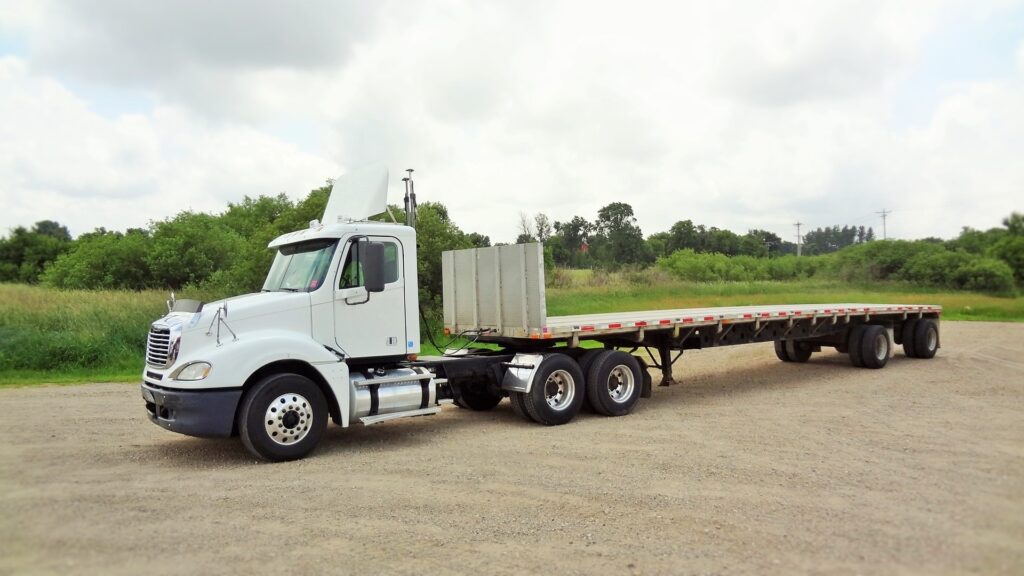
Flatbed dispatch services help trucking companies and owner-operators find loads, plan routes, negotiate rates, and manage logistics for flatbed trucks. A professional flatbed dispatcher connects drivers with freight brokers and shippers, ensuring steady loads, better pricing, and efficient transportation across the United States.
Introduction
The flatbed trucking industry plays a crucial role in the American logistics network. From transporting construction materials to heavy machinery, flatbed trucks move oversized and specialized freight that traditional trailers cannot handle. However, finding profitable loads and managing logistics can be challenging for drivers and fleet owners.
This is where flatbed dispatch services become essential. A skilled flatbed dispatcher helps truckers stay on the road with consistent loads, better rates, and organized scheduling. Instead of spending hours negotiating with brokers or searching for freight, drivers can focus on what they do best: delivering cargo safely and on time.
Professional dispatcher services have become a vital part of the trucking ecosystem in the United States. With growing freight demand across industries like construction, manufacturing, and agriculture, reliable flatbed dispatch service providers help ensure that trucks stay productive and profitable.
This guide explains how flatbed dispatch works, its benefits, and why many truckers rely on dispatching experts to maximize their earnings.
What Are Flatbed Dispatch Services?
Flatbed dispatch services are specialized logistics support services designed specifically for flatbed truck operators. These services handle the administrative and operational tasks required to keep trucks moving with consistent freight.
A professional dispatcher typically manages:
-
Load searching and booking
-
Rate negotiation with freight brokers
-
Route planning
-
Driver communication
-
Paperwork and documentation
-
Scheduling and load coordination
Unlike general dispatching, flatbed dispatch requires expertise in handling oversized or specialized cargo such as steel coils, lumber, heavy equipment, pipes, and construction materials.
Flatbed trucking often involves strict safety requirements, permits, and securement regulations. A knowledgeable flatbed dispatcher understands these complexities and helps ensure every load meets federal and state regulations.
Why Flatbed Dispatch Is Important for Truckers
Operating a flatbed truck involves more than just driving. Drivers must constantly search for loads, communicate with brokers, and manage delivery schedules. Without proper support, this process can become overwhelming.
Professional dispatcher services help simplify operations by handling logistics and freight management.
Key Reasons Flatbed Dispatch Is Essential
1. Consistent Freight Opportunities
Dispatchers use freight networks and industry connections to find reliable loads across major shipping hubs in the United States such as Texas, California, Illinois, Georgia, and Florida.
2. Better Rate Negotiation
Experienced dispatchers negotiate competitive rates with brokers. Because they understand market trends, they can often secure higher-paying loads.
3. Reduced Downtime
Empty miles and waiting time can significantly reduce profits. A flatbed dispatch service works to minimize downtime by scheduling loads efficiently.
4. Administrative Support
Dispatchers handle paperwork including rate confirmations, broker agreements, and delivery documentation.
5. Route Optimization
Professional dispatchers analyze routes to reduce fuel costs and improve delivery efficiency.
How Flatbed Dispatch Services Work
Understanding how flatbed dispatch services operate can help truck owners decide whether to outsource their logistics management.
Step 1: Driver Onboarding
When drivers sign up with a flatbed dispatch service, the dispatcher gathers information such as:
-
Truck type and trailer size
-
Preferred lanes and routes
-
Operating authority
-
Insurance and compliance documents
Step 2: Load Search and Booking
Dispatchers search freight boards and broker networks to find suitable flatbed loads. They evaluate factors such as:
-
Distance
-
Rate per mile
-
Pickup and delivery locations
-
Load weight and dimensions
Step 3: Negotiation with Brokers
A professional flatbed dispatcher negotiates the freight rate with brokers to secure the best deal for the driver.
Step 4: Dispatch Instructions
Once a load is booked, the dispatcher provides all instructions including:
-
Pickup location
-
Delivery appointment
-
Contact information
-
Load details
Step 5: Ongoing Support
During the trip, the dispatcher stays in contact with both the driver and the broker to ensure smooth delivery.
Types of Freight Handled by Flatbed Dispatchers
Flatbed trucking handles a wide variety of freight that requires open trailers. Experienced flatbed dispatch services manage loads across multiple industries.
Common freight categories include:
Construction Materials
Flatbed trucks frequently transport building materials such as lumber, steel beams, and roofing supplies.
Heavy Equipment
Excavators, tractors, and industrial machines often require flatbed transportation due to their size and weight.
Steel and Metal Products
Steel coils, pipes, and sheet metal are commonly shipped using flatbed trailers.
Agricultural Equipment
Farm machinery and supplies are often transported using specialized flatbed loads.
Oversized Cargo
Large loads that exceed standard trailer dimensions require special permits and escort coordination.
A professional flatbed dispatcher ensures that each shipment complies with U.S. transportation regulations.
Benefits of Hiring a Flatbed Dispatch Service
Many owner-operators in the United States choose to work with professional dispatch companies because of the numerous advantages they provide.
Increased Profitability
A skilled dispatcher understands freight market trends and can secure higher-paying loads.
Time Savings
Drivers no longer need to spend hours searching for freight boards or negotiating with brokers.
Industry Expertise
Experienced dispatchers understand flatbed load requirements, including cargo securement rules and oversized freight regulations.
Nationwide Load Network
Professional dispatcher services maintain strong relationships with brokers across the United States, providing access to more freight opportunities.
Stress Reduction
Managing freight logistics can be stressful. A reliable flatbed dispatch service allows drivers to focus on driving instead of paperwork and negotiations.
Flatbed Dispatcher vs Freight Broker
Many people confuse dispatchers with freight brokers, but they perform different roles within the trucking industry.
Flatbed Dispatcher
A flatbed dispatcher works directly for the trucking company or owner-operator. Their job is to find loads, negotiate rates, and coordinate logistics.
Freight Broker
A freight broker connects shippers with carriers and manages the shipment on behalf of the shipper.
In simple terms:
-
Dispatchers represent drivers
-
Brokers represent shippers
Both roles are essential for keeping the freight transportation system running smoothly in the United States.
What Makes a Reliable Flatbed Dispatch Service?
Not all dispatch companies provide the same level of service. Choosing the right flatbed dispatch service can make a significant difference in your trucking business.
Important Factors to Consider
Industry Experience
Look for dispatchers who specialize in flatbed trucking rather than general freight.
Strong Broker Network
A dispatcher with broker connections can find better loads faster.
Transparent Pricing
Reliable dispatcher services clearly explain their commission or service fees.
24/7 Communication
Freight transportation operates around the clock, so support availability is important.
Compliance Knowledge
Flatbed freight often requires special permits and securement regulations. Experienced dispatchers understand federal and state trucking laws.
Flatbed Dispatch Trends in the United States
The U.S. trucking industry continues to evolve with technology and logistics innovation. Several trends are shaping the future of flatbed dispatch services.
Digital Freight Platforms
Technology has improved how dispatchers find loads through real-time freight marketplaces and logistics platforms.
Smart Route Optimization
Advanced software now helps dispatchers analyze fuel costs, traffic patterns, and weather conditions.
Increased Construction Demand
Infrastructure projects across the United States have increased demand for flatbed trucks transporting construction materials and heavy equipment.
Growing Owner-Operator Market
More drivers are choosing independent trucking careers, increasing demand for professional dispatcher services.
Choosing the Right Dispatcher Services for Your Trucking Business
Before selecting a dispatch partner, truck owners should evaluate their business needs.
Ask questions such as:
-
Does the dispatcher specialize in flatbed freight?
-
Do they negotiate the best rates?
-
Are they available when drivers need assistance?
-
Do they provide consistent load opportunities?
A trustworthy flatbed dispatch service acts as a business partner rather than just a load booking service.
Frequently Asked Questions
What does a flatbed dispatcher do?
A flatbed dispatcher finds loads for flatbed trucks, negotiates rates with freight brokers, manages logistics, and provides drivers with load instructions and route planning.
How much do flatbed dispatch services charge?
Most flatbed dispatch services charge a percentage of the load rate, typically between 5 percent and 10 percent depending on the level of service provided.
Is flatbed dispatch good for owner operators?
Yes. Many owner-operators rely on professional dispatcher services because they save time, reduce stress, and help drivers secure higher-paying loads.
Can dispatchers help new trucking businesses?
Absolutely. New trucking companies often benefit from experienced dispatchers who understand the freight market and industry regulations.
Do dispatchers work nationwide?
Yes. Most flatbed dispatch services operate across the entire United States and can find loads in multiple states.
Conclusion
The success of a flatbed trucking operation depends heavily on efficient logistics management and access to profitable freight. Professional flatbed dispatch services provide the expertise, industry connections, and operational support that drivers need to succeed.
A skilled flatbed dispatcher ensures that trucks stay loaded, routes are optimized, and rates are negotiated effectively. For owner-operators and small fleets across the United States, reliable dispatcher services can significantly improve productivity and profitability.
As the demand for construction materials, industrial equipment, and oversized freight continues to grow, the role of flatbed dispatch service providers will remain essential in keeping America’s supply chain moving efficiently.