When you request an auto shipping quote, one of the first questions you’ll be asked is whether you prefer enclosed vs open transport. This single choice can significantly impact both the price you pay and the level of protection your vehicle receives during transit.
Most vehicles on U.S. highways are shipped using open carriers because they’re affordable and widely available. However, enclosed shipping offers premium protection that many owners of luxury, classic, or specialty vehicles prefer. Understanding how these two options differ helps you choose the right service for your needs—and avoid surprises in your final bill.
In this guide, we’ll break down the difference between enclosed and open car shipping, how each option affects your auto shipping quote, and when paying extra for added protection truly makes sense.
What Is Open Auto Transport?
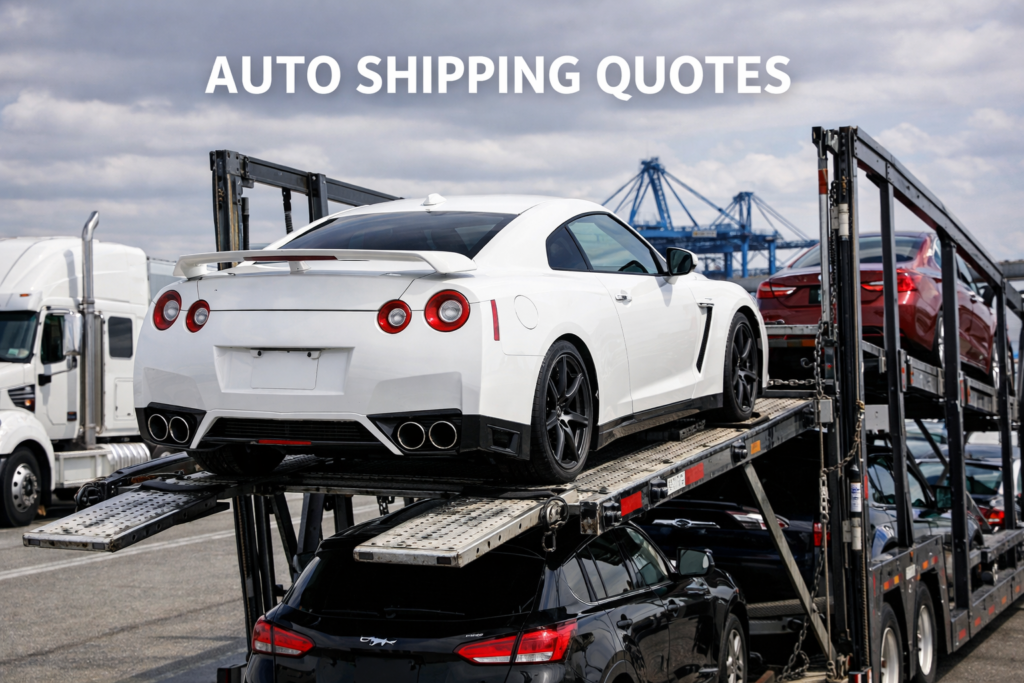
Open auto transport is the most common method used in the car shipping industry. If you’ve ever seen a large trailer hauling multiple vehicles on two levels down the interstate, you’ve seen an open multi-car carrier in action.
With this method, vehicles are secured on an open trailer and transported alongside several others. Dealerships frequently use open carriers to move new and used inventory between states because it’s efficient and cost-effective.
The trade-off? Vehicles are exposed to outdoor elements like weather, dust, and normal road debris during transit. While this rarely causes major issues, it’s an important factor for owners who want extra vehicle protection during shipping.
Benefits of Open Transport
-
✔ Lowest auto shipping quote in most situations
-
✔ Widely available carriers across the U.S.
-
✔ Faster scheduling and pickup times
-
✔ Ideal for standard daily-driver vehicles
For most everyday cars, SUVs, and trucks, open transport provides reliable service at a budget-friendly open car transport price.
What Is Enclosed Auto Transport?
Enclosed transport uses a fully covered trailer—often called a covered car hauler—to shield vehicles from outside exposure. This method is commonly chosen for luxury car shipping, classic car transport, and exotic vehicles where appearance and condition are top priorities.
Inside an enclosed trailer car shipping setup, vehicles are protected from rain, snow, sun exposure, and road debris. Many enclosed carriers also offer added tie-down security and higher insurance coverage limits.
Benefits of Enclosed Transport
-
✔ Maximum vehicle protection during shipping
-
✔ Reduced risk of cosmetic damage from debris
-
✔ Ideal for high-value, rare, or collector vehicles
-
✔ Extra insurance coverage often included
If preserving a vehicle’s condition is critical, enclosed shipping is widely considered the safest way to ship a car.
Enclosed vs Open Transport — Key Differences
Understanding the difference between enclosed and open car shipping helps you balance cost and protection.
| Feature | Open Transport | Enclosed Transport |
|---|---|---|
| Cost | Lower | 30–60% Higher |
| Protection | Weather exposure | Full protection |
| Vehicle Type | Standard cars | Luxury/classic/exotic |
| Availability | High | Limited |
| Insurance | Standard | Higher coverage |
Both methods are safe and widely used, but the level of shielding and service differs significantly.
How Transport Type Affects Your Auto Shipping Quote
Your choice between open and enclosed shipping plays a major role in your open vs enclosed car shipping quote. Many customers ask why enclosed auto transport is more expensive, and the answer comes down to logistics and service level.
Enclosed carriers typically transport fewer vehicles at once—often just 2 to 6 instead of 7 to 10 on an open trailer. That means operating costs are shared among fewer customers. Additionally, enclosed trailers are specialized equipment, drivers often receive higher compensation, and insurance coverage limits are usually greater.
All of these elements increase the enclosed auto transport cost compared to open shipping, which is designed for high efficiency and volume.
Price Comparison Example
While every shipment is unique, here’s a general idea of how pricing may differ based on distance. These ranges reflect common car shipping cost factors and market trends, not guaranteed rates.
| Distance | Open Transport | Enclosed Transport |
|---|---|---|
| 500 miles | $500–$800 | $800–$1,200 |
| 1,500 miles | $900–$1,300 | $1,400–$2,000 |
| Cross-country | $1,100–$1,600 | $1,800–$2,500 |
Longer distances, larger vehicles, and seasonal demand can all shift these numbers.
When Should You Choose Enclosed Transport?
Paying more for enclosed service makes sense when your vehicle needs premium care. It’s often recommended for:
-
Classic and antique vehicles
-
High-end luxury cars
-
Exotic sports cars
-
Restored or show vehicles
-
Low-ground-clearance vehicles
For these types of automobiles, enclosed shipping offers the safest way to ship a car while minimizing exposure to potential hazards.
When Open Transport Is the Smart Choice
Open transport is the practical choice for most everyday shipping needs. It works well for:
-
Daily drivers
-
Used vehicles
-
Budget-conscious shipments
-
Short- and mid-distance moves
If your main goal is affordability and your vehicle doesn’t require special handling, the lower open car transport price makes open carriers a smart solution.
Other Factors That Influence Your Auto Shipping Quote
Transport type isn’t the only thing affecting your rate. Several additional car shipping cost factors play a role:
-
Distance: Longer routes cost more overall but less per mile
-
Vehicle size and weight: Larger vehicles take more space and add weight
-
Pickup and delivery locations: Rural areas may cost more than major cities
-
Seasonality: Summer and snowbird seasons often bring higher demand
-
Fuel prices: Carrier operating costs rise and fall with fuel markets
All of these variables are considered when calculating your final auto shipping quote.
Get the Right Auto Shipping Quote with First Haulers
Choosing between open and enclosed shipping doesn’t have to be confusing. By understanding your vehicle’s needs and your budget, you can confidently decide which service fits best.
Comparing both options side by side is the easiest way to see how protection levels affect pricing. Requesting First Haulers auto shipping quotes gives you a clear breakdown of costs and helps you make an informed decision before booking.
Whether you’re shipping a family SUV or a prized collector car, the right transport method ensures your vehicle arrives safely and on schedule.
Frequently Asked Questions
Is enclosed auto transport worth the extra cost?
It can be worth it for high-value, classic, or luxury vehicles where added protection and higher insurance coverage provide peace of mind.
How much more expensive is enclosed vs open car shipping?
Enclosed shipping typically costs 30–60% more than open transport, depending on distance and vehicle type.
Does enclosed transport ship fewer cars?
Yes. Enclosed carriers usually transport fewer vehicles, which is one reason the enclosed auto transport cost is higher.
Is open auto transport safe for new cars?
Yes. Open carriers are widely used to transport new cars from manufacturers to dealerships and are considered safe for standard vehicles.
Which transport type is faster?
Open transport often has more frequent availability, which can lead to faster scheduling compared to enclosed shipping.