Crimp Tools in Detail: How Can They Transform Your Electrical Projects?
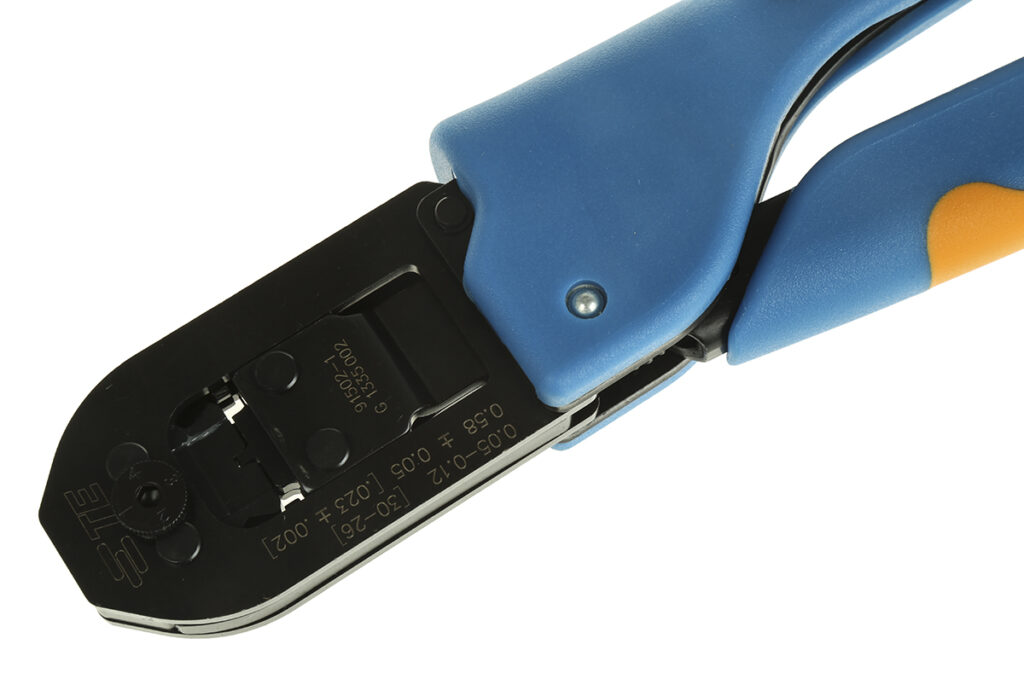
Crimp Tools
Crimp Tools are among the most practical and performance-critical tools used in electrical work. They may look simple, but they play a major role in creating stable, long-lasting wire connections. Whether you are assembling control panels, repairing automotive wiring, installing LEDs, or building electronics systems, Crimp Tools help ensure every connection stays firm, safe, and electrically efficient.
In professional wiring environments, loose connections are one of the most common causes of equipment failure. A wire that is not properly terminated can lead to voltage drops, signal interruptions, heat buildup, and unexpected shutdowns. This is why technicians rely on Crimp Tools to securely connect connectors and protect the wiring system from avoidable faults.
This guide takes a fresh and unique approach by focusing on connection quality, tool design, and the real-world value of crimping in modern electrical and electronics applications.
What Are Crimp Tools and Why Are They Used So Often?
Crimp Tools are hand tools designed to attach a terminal or connector to the end of a wire by applying compression. This compression reshapes the connector around the conductor, locking it in place.
Crimping is widely used because it creates a strong mechanical bond without using heat. It is faster than soldering and often more reliable in environments where wiring is exposed to movement, vibration, or temperature changes.
Crimp Tools are used because they help produce:
- Tight electrical contact with minimal resistance
- Strong wire holding force
- Clean and professional cable endings
- Stable performance in industrial and automotive systems
This makes them essential in installations involving connectors, sensors, controllers, contactors, and safety equipment.
The Science Behind Crimping: What Actually Happens Inside the Connector?
A proper crimp does not just squeeze a connector. It compresses the wire strands and terminal barrel together so tightly that they behave like one unit. This compression removes air gaps and improves conductivity.
A strong crimp provides:
- Better electron flow between the wire and the connector
- Reduced oxidation risk due to reduced air exposure
- Stronger resistance to pulling and vibration
- Lower chance of arcing and terminal overheating
This is especially important in circuits that carry high current or power electronics components such as microcontrollers, microprocessors, and capacitor systems.
Where Crimp Tools Make the Biggest Difference
Crimp Tools are valuable in many areas, but their importance becomes more obvious in environments where wiring is constantly under stress.
They are commonly used in:
- Industrial automation systems with sensors and controllers
- Electrical cabinets and distribution boards
- Automotive harnesses exposed to vibration
- LED lighting and switching circuits
- Solar power wiring and battery terminals
- Electronics and connector assemblies
- Laptop repair and internal electronics connections
- Communication wiring and data cable assemblies
In any system where reliability matters, crimping becomes the preferred method.
Key Categories of Crimp Tools Used in Electrical Work
There are several types of Crimp Tools, each designed for specific connector styles. Understanding these types helps you choose the correct tool for your wiring tasks.
Combination Crimp Tools
Combination crimpers are common multipurpose tools that include cutting, stripping, and crimping features. They are useful for general repairs and light electrical work.
They are ideal for:
- Home electrical projects
- Quick maintenance tasks
- Basic insulated terminal crimping
However, they may not yield consistent results for high-precision connectors.
Precision Ratcheting Crimp Tools
Ratcheting Crimp Tools are designed for consistent pressure. The ratchet mechanism ensures the crimp is fully completed before releasing. This prevents weak crimps caused by incomplete squeezing.
These tools are highly effective for:
- Electronics connectors
- Industrial wiring systems
- Repetitive cable termination work
Ratcheting Crimp Tools are a strong choice for technicians working with connectors, sensors, and electronics assemblies.
Ferrule Crimp Tools
Ferrule Crimp Tools are designed to crimp ferrules, protective sleeves used on stranded wire ends. Ferrules are widely used in control panels and terminal blocks.
Ferrule crimping improves wiring quality by:
- Preventing strand spreading inside terminals
- Improving safety and neatness
- Strengthening terminal grip
- Supporting stable current flow
These tools are common in industrial environments where contactors, switches, and fuses are installed.
Heavy Duty Hydraulic Crimp Tools
Hydraulic Crimp Tools are used for thick cables and high-current applications. They generate a strong compressive force, making them suitable for use in power distribution systems.
They are often used for:
- Large battery cable lugs
- Industrial grounding systems
- Solar inverter cables
- Heavy power terminals
Hydraulic crimping is critical where a weak connection could cause serious heat buildup.
Modular Crimp Tools for Data Cables
Some Crimp Tools are designed for modular connectors used in networking cables. These are often used in office installations and electronics systems that require stable data transmission.
They support wiring for:
- Ethernet cables
- Communication connectors
- Data lines connected to laptops and electronic devices
How to Choose Crimp Tools That Match Your Wiring Needs
Selecting Crimp Tools should never be random. The correct tool depends on wire size, connector type, and the kind of job you perform most often.
When choosing a tool, consider:
- The wire gauge you work with most frequently
- Whether you use insulated or non-insulated connectors
- The type of terminals, ring, spade, butt, or ferrule
- How often you perform crimping tasks
- Whether you need precision for electronics and connectors
- Handle comfort for long working sessions
If your work involves control systems, sensors, or microcontrollers, choosing a precision crimp tool can significantly improve your results.
What Makes a Crimp Strong and Reliable?
Many people think a crimp is successful if it simply holds the wire. In reality, a professional crimp should be mechanically strong and electrically stable.
A reliable crimp has:
- Even compression around the conductor
- No cracked or crushed terminal barrel
- Firm grip without damaging wire strands
- Smooth connection shape with no loose gaps
- Proper insulation support where required
A weak crimp may still function temporarily but often fails under vibration, heat, or heavy electrical load.
Best Practices for Using Crimp Tools Correctly
Using Crimp Tools properly improves both safety and performance. Small improvements in technique can lead to much stronger wire results.
Follow these best practices:
- Strip the insulation carefully to avoid cutting wire strands
- Match the terminal size with the correct wire gauge
- Insert the wire fully into the connector barrel
- Align the connector properly before squeezing
- Apply full pressure to complete the crimp
- Perform a pull test to confirm strength
- Visually inspect the crimp for uniform shape
This method is especially important when working with power circuits, safety systems, or sensitive electronics.
Common Wiring Failures Caused by Poor Crimping
Crimping mistakes often lead to hidden electrical problems. These failures may not show immediately, but can appear later under load.
Common issues caused by bad crimps include:
- Overheating at the terminal connection
- Voltage drops affecting performance
- Intermittent signals in sensor circuits
- Loose wiring inside control cabinets
- LED flickering due to unstable connections
- Equipment shutdown caused by poor conductivity
These failures are especially risky in systems that contain controllers, contactors, and fuses, where electrical stability is critical.
Crimp Tools vs Soldering: Which Is Better for Strong Connections?
Soldering is useful for circuit boards and fine electronics, but crimping is often preferred for wiring systems. A crimped connection is flexible and can absorb vibration, while solder joints may crack in harsh environments.
Crimping is often the better option because:
- It is faster and cleaner
- It requires no heat or flux
- It is easier to maintain and replace
- It performs better under vibration
- It is widely used in industrial and automotive wiring
For connectors and terminals, Crimp Tools usually provide a more practical and durable solution.
Conclusion: Why Crimp Tools Are Essential for Serious Electrical Work
Crimp Tools are more than just accessories; they are key tools for building reliable wiring systems. They improve safety, reduce wiring faults, and ensure professional quality connections. Whether you are wiring sensors, assembling connectors, installing switches, or working with electronics systems involving microprocessors and controllers, strong crimps can protect your equipment and improve performance.
If you want your electrical work to last longer, handle stress better, and remain safe under load, investing in quality Crimp Tools is one of the smartest decisions you can make.