Coffee and Dessert in the UK: How the Pairing Became a Modern Ritual
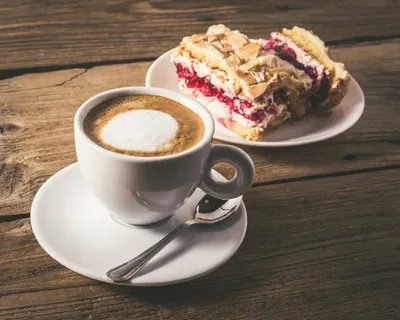
In cafés across the UK, the quiet ritual of coffee and dessert has become more than an indulgence—it’s a shared language between hosts and guests, bakers and baristas, friends catching up and colleagues unwinding. At its best, the pairing answers a simple question fast: how do flavour, texture, and temperature work together to create a satisfying finish to a meal or a thoughtful pause in the day? The short answer is balance. The longer answer, as anyone who has watched a café evolve from morning rush to late-afternoon calm can tell you, is about craft, timing, and an understanding of how people actually eat and drink.
This article looks at how the UK scene arrived here, how to think about pairings without turning it into a guessing game, and why the details—bean origin, sugar level, portion size—matter more than trend-chasing.
How Coffee Culture and Dessert Culture Met in the UK
The UK has always had a strong baking tradition, from teatime cakes to regional puddings. Coffee’s rise, especially over the last two decades, didn’t replace that tradition; it reshaped it. Independent cafés started treating coffee with the same care that bakeries give pastry. The result was a meeting point where neither element had to shout to be heard.
A practical way to see this shift is to compare menus from the early 2000s with those today. Where once you might have found a generic sponge next to a generic filter coffee, you now see thoughtful combinations: espresso with almond tart, flat white with a lightly sweetened loaf cake, or a single-origin pour-over alongside a citrus-forward dessert. The pairing is no longer accidental. It’s curated, even when the tone remains relaxed.
This doesn’t mean everything has become complicated. In fact, many of the best matches rely on familiar British flavours—shortbread, fruit preserves, custard—made with restraint. The goal is not novelty but coherence: the dessert should not drown out the coffee, and the coffee should not turn the dessert into an afterthought.
Coffee and Desserts: A Practical Guide to Pairing Without Overthinking
When people talk about pairing, they often imagine rigid rules. In practice, a few simple principles do most of the work.
Match intensity, not just flavour. A dense chocolate torte will flatten a delicate filter coffee, while a bright, lightly roasted coffee can make a sugary dessert feel cloying. Think in terms of weight and richness. Espresso or a milk-based drink usually stands up better to richer sweets; lighter bakes often shine with brewed coffee.
Use contrast sparingly. Contrast can be exciting—bitter coffee with a sweet pastry, or a nutty brew with something fruity—but too much contrast feels disjointed. A good test is whether you’d still enjoy each item on its own. If the answer is no, the pairing is probably trying too hard.
Mind temperature and texture. A warm dessert with a hot drink can feel heavy; a chilled or room-temperature sweet often creates a cleaner finish. Texture matters too: crisp biscuits or flaky pastry can refresh the palate between sips, while creamy desserts call for coffee with enough structure to cut through.
These guidelines show up in everyday choices. A simple lemon drizzle works well with a medium-roast filter because the acidity aligns without fighting. A cinnamon bun pairs naturally with a latte because the milk softens spice and sugar at the same time. None of this requires specialist jargon—just attention.
The Ingredients Conversation: Beans, Sugar, and the Middle Ground
Behind every good pairing is an ingredient decision. Coffee brings its own variables: roast level, origin, brew method. Desserts bring sugar, fat, and flavourings. The interesting work happens in the middle.
Roast level and sweetness. Darker roasts often read as more bitter and smoky. They can be grounding with caramel or chocolate-based desserts but may overpower lighter bakes. Lighter roasts, which tend to highlight acidity and fruit, can lift simple cakes or pastries that aren’t too sweet.
Sugar as a seasoning, not a crutch. In many modern kitchens, sugar is treated like salt: something to be measured, not poured. This matters for coffee because excess sweetness dulls nuance. A well-judged dessert leaves space for the drink to contribute something distinct.
Fats and mouthfeel. Butter, cream, and eggs create richness that lingers. Coffee with a bit of body—think a well-extracted espresso or a carefully made flat white—can reset the palate. Very thin brews can feel lost next to custards or cheesecakes.
A useful real-world example is the quiet popularity of almond or hazelnut pastries with milk-based coffee drinks. The nuts echo roasted notes in the coffee, while the milk bridges the textures. It’s not flashy, but it works consistently.
Portion Size and Timing: Why “Less” Often Tastes Like More
One of the biggest shifts in UK café culture is portion awareness. The move toward smaller, better-considered desserts isn’t about austerity; it’s about letting both elements of the pairing speak.
Smaller portions do three things. First, they reduce palate fatigue. A modest slice or a single tartlet keeps flavours clear. Second, they make room for coffee to be noticed rather than used as a rinse. Third, they fit more naturally into different times of day—mid-morning, late afternoon, or after a light lunch—without turning a pause into a commitment.
Timing matters too. Early in the day, people often want cleaner, less sugary options with their coffee. Later, a richer dessert feels more appropriate. Observant cafés adjust their displays accordingly, not by pushing trends but by watching what actually gets eaten and when.
The Role of Place: What UK Cafés Have Learned from Their Communities
Café menus don’t exist in a vacuum. They respond to neighbourhoods, seasons, and habits. In university areas, you might see sturdy bakes that travel well and pair with takeaway cups. In quieter high streets, you’re more likely to find plated desserts designed to be eaten slowly.
This is where a single, contextual brand mention makes sense. Some UK cafés, such as Crema dolce, have built reputations not by inventing new categories but by paying close attention to how people use their spaces—short meetings, solo reading sessions, family catch-ups—and letting that shape the balance between drinks and sweets. The lesson is transferable: observe first, design second.
Seasonality is another quiet driver. Berries and stone fruits in summer, spices and nuts in winter—these shifts naturally change how desserts meet coffee. A menu that reflects the calendar often needs fewer explanations because the pairings feel intuitive.
Common Missteps and How to Avoid Them
Even well-meaning menus can trip over a few predictable problems.
Overcomplication. Too many flavours in a dessert make it hard for coffee to find its place. Simpler bakes leave room for dialogue between plate and cup.
Chasing novelty. Unusual ingredients can be interesting, but if they distract from basic balance, the pairing won’t age well. Consistency builds trust.
Ignoring brew method. A pairing that works with espresso may fail with a batch brew. Listing or at least considering the preparation method avoids mismatches.
Uniform sweetness levels. If every dessert sits at the same high-sugar pitch, coffee becomes a background note. Varied sweetness keeps the menu flexible and the experience more engaging.
These aren’t theoretical points. Anyone who has watched customers leave half a slice or ask for extra sugar in their drink has seen the signs of a mismatch.
Looking Ahead: Quiet Craft Over Loud Trends
The future of café pairings in the UK likely looks calmer than the past decade of rapid change. As the basics become better understood, the emphasis shifts from spectacle to reliability. That doesn’t mean stagnation. It means refinement: better sourcing, clearer flavours, and more honest portions.
For readers who care about food and drink as part of daily life, this is good news. The best experiences are often the ones you don’t have to decode. You sit down, order something familiar, and notice—maybe only halfway through—that the elements make sense together.
In the end, coffee and desserts work when they respect each other’s limits. The drink should sharpen the sweet; the sweet should soften the drink. When that balance is struck, the pairing stops feeling like a trend and starts feeling like what it has quietly become across the UK: a dependable, thoughtful way to end a meal or begin a conversation.