Choosing a Trusted Nail Salon in Corona
Finding the right nail salon Corona residents feel comfortable visiting can make a big difference in your experience. Whether you are preparing for a special event or simply keeping up with regular self-care, a salon visit should feel relaxing, clean, and professional. For first-time visitors, especially, the process can seem a little unfamiliar. What happens during an appointment? How do technicians keep tools clean? What should you look for before booking?
This guide explains how nail salon services work in real life, what hygiene practices matter most, and how to choose a salon that fits your needs.
What Happens During a Nail Appointment?
Walking into a nail salon for the first time can feel both exciting and slightly overwhelming. You are usually greeted by a receptionist or nail technician who confirms your appointment and asks what service you would like. If you are unsure, most technicians begin with a short consultation. They may ask about your lifestyle, nail condition, or any allergies to products.
For a standard manicure, the process typically includes nail shaping, cuticle care, light buffing, polish application, and drying time. A pedicure follows a similar pattern but often includes soaking, exfoliation, and light massage. More advanced services like acrylics or gel extensions involve preparation of the natural nail, product application, shaping, and curing under a lamp.
Appointments are structured but not rushed. Good communication is part of the experience. If something feels uncomfortable, clients are encouraged to speak up. Regular customers often develop a relationship with a specific technician, which builds consistency and trust over time.
Hygiene and Safety: What Really Matters
Cleanliness is not just about appearance. It is about safety. A reputable nail salon Corona visitors choose should follow strict hygiene practices.
Sterilization of metal tools is essential. Instruments such as clippers and cuticle pushers should be disinfected between clients. Many salons use hospital-grade disinfectant solutions or heat sterilization units. Disposable items like nail files and buffers are often used once per client.
Foot spas should be cleaned thoroughly after each pedicure. This includes draining, scrubbing, and disinfecting the basin. Technicians should wash their hands before and after each appointment, and clients should be encouraged to do the same.
Ventilation also plays an important role. Nail products can have strong odors, so proper airflow helps maintain a comfortable and healthy environment. If a salon looks visibly dirty or tools appear reused without cleaning, that is a sign to reconsider.
Understanding Products and Nail Health
Many clients focus mainly on color choices, but product quality matters just as much. Nail polishes, gels, and acrylic systems vary in formulation. Some are designed to be less harsh on natural nails, while others provide longer durability.
A knowledgeable technician will assess the condition of your nails before starting. Thin or damaged nails may not be ideal candidates for certain enhancements. Over-filing or aggressive cuticle cutting can weaken the nail plate over time.
It is also helpful to understand maintenance. Gel polish may last two to three weeks, but improper removal can cause peeling. Acrylic nails require fills every few weeks as your natural nails grow. Asking questions during your consultation helps you make informed decisions.
Salons in Corona often carry a range of brands and systems. Observing how products are stored and handled can give insight into overall professionalism. Bottles should be sealed properly and not appear contaminated.
A Real-World Customer Scenario
Consider Maria, a first-time visitor to the nail salon Corona location before her cousin’s wedding. She wanted a simple, elegant manicure but felt unsure about what to request. During her appointment, the technician asked about her dress color and daily routine. Maria mentioned she types frequently at work.
Based on that information, the technician suggested a medium-length shape that would be comfortable for typing and a neutral gel polish for durability. The tools were taken from sealed pouches, and the foot spa was visibly cleaned before use. Maria felt reassured by the attention to hygiene and the clear explanation of each step.
By the end of the appointment, Maria not only liked her nails but also understood how to maintain them. She scheduled her next visit with more confidence because the experience felt transparent and professional.
Common Mistakes and Misunderstandings
Many people believe that all nail salons operate the same way. In reality, practices and service quality can vary.
One common misunderstanding is assuming that a higher price always equals better service. While quality products and trained technicians may affect pricing, cleanliness and skill are more important than decor alone.
Another mistake is skipping consultations. Clients sometimes hesitate to ask questions, but discussing nail history, allergies, or previous damage can prevent problems. Bringing photos for inspiration is helpful, but expecting a replica without considering nail shape and condition can lead to disappointment.
Some clients also wait too long between maintenance appointments. Extensions and enhancements require upkeep. Ignoring fills or repairs may result in lifting or breakage.
Practical Tips for Choosing a Nail Salon
If you are searching for a nail salon Corona residents recommend, start with observation. Visit the location before booking if possible. Look at how technicians clean their stations and interact with clients.
Check online reviews, but read them thoughtfully. Patterns matter more than isolated comments. Notice feedback about hygiene, punctuality, and technician communication.
Ask about licensing. In California, nail technicians must hold proper certification. Certificates are often displayed in the salon.
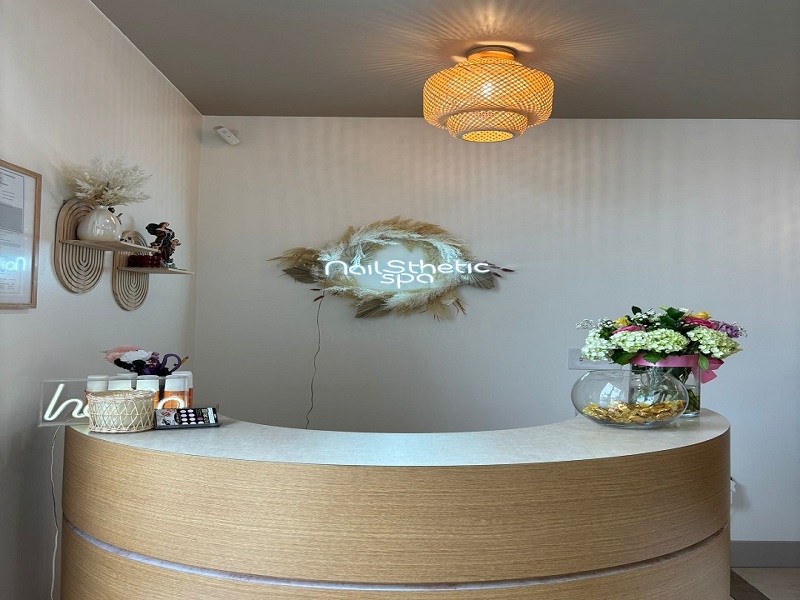
It can also help to choose a salon that values consultation. For example, Nailsthetic Spa in Corona, California, presents its services clearly and explains treatment options so clients understand what to expect. Observing how a salon communicates online can reflect how they interact in person.
Finally, consider comfort. You should feel welcome, not rushed. A good salon balances efficiency with attention to detail.
Frequently Asked Questions
- How often should I get a manicure?
Most people schedule every two to three weeks, depending on nail growth and polish type. - Are gel manicures safe?
Yes, when applied and removed properly by trained technicians. - What should I do before my appointment?
Arrive with clean hands and remove old polish if possible. - How can I tell if tools are sterilized?
Look for sealed pouches or visible disinfecting procedures between clients. - Is it normal to tip a nail technician?
Yes, tipping is customary in the United States for good service.
Conclusion
Choosing the right nail salon Corona offers is about more than convenience. It involves understanding how services work, recognizing proper hygiene practices, and communicating openly with your technician. A positive experience combines skill, cleanliness, and thoughtful consultation.
For first-time visitors and regular customers alike, informed decisions lead to healthier nails and greater confidence. By observing practices, asking questions, and selecting a salon that values safety and transparency, you can turn routine nail care into a comfortable and reliable part of your self-care routine.