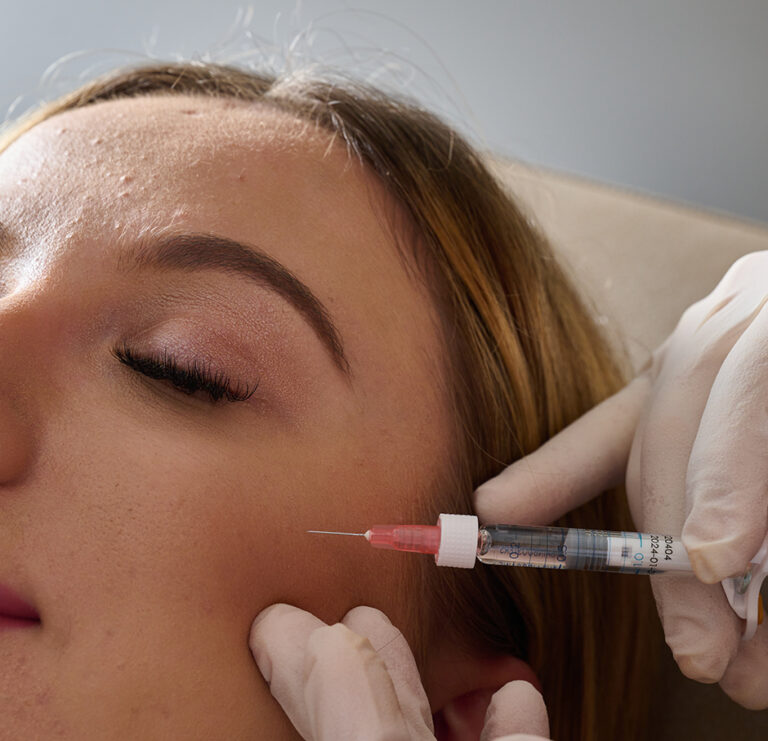
Cheek Dermal Fillers
In today’s world, where beauty standards are constantly evolving and social media keeps our faces under scrutiny, many people seek ways to enhance their appearance subtly yet effectively. One of the most popular cosmetic treatments in recent years is cheek dermal fillers. These treatments allow individuals to restore volume, define facial contours, and achieve a youthful, radiant appearance without undergoing invasive surgery. This article explores everything you need to know about cheek dermal fillers, from their benefits and procedure to safety considerations and aftercare.
What Are Cheek Dermal Fillers?
Cheek dermal fillers are injectable substances designed to add volume, lift, and definition to the midface area. As we age, the cheeks naturally lose fat and collagen, leading to sagging skin, hollow cheeks, and a more tired appearance. Dermal fillers address this issue by replenishing lost volume and supporting the skin’s structure, creating a rejuvenated, youthful look. Also take a look at : cosmetic fillers
Most cheek fillers are made from hyaluronic acid (HA), a naturally occurring substance in the body that retains moisture and supports tissue structure. Other types of fillers include calcium hydroxylapatite (CaHA), poly-L-lactic acid, and autologous fat transfer, though HA fillers remain the most popular due to their safety profile and reversibility. Also you can check this: lip filler injections
Benefits of Cheek Dermal Fillers
Cheek fillers offer multiple advantages, both aesthetic and psychological:
-
Restored Youthfulness: By replenishing lost volume, cheek fillers lift sagging skin, reduce the appearance of nasolabial folds, and create a fuller, more youthful face.
-
Enhanced Facial Contours: Fillers can define the cheekbones, giving the face a more sculpted and balanced appearance.
-
Non-Surgical: Unlike cheek implants or facelifts, fillers are minimally invasive, avoiding lengthy recovery periods and surgical risks.
-
Immediate Results: Most patients notice visible improvements immediately after the procedure, with full effects developing over a few days as swelling subsides.
-
Customizable: The amount and placement of filler can be tailored to individual facial anatomy and aesthetic goals.
-
Temporary but Adjustable: Since HA fillers are naturally absorbed over time, patients have the flexibility to adjust their look gradually without permanent changes.
Who Is a Good Candidate for Cheek Fillers?
Cheek dermal fillers are suitable for adults experiencing volume loss in the midface, mild sagging, or those seeking enhanced cheekbone definition. Ideal candidates are generally in good health, with realistic expectations about the results.
Patients with certain medical conditions—such as active infections, severe allergies, or autoimmune diseases—may need to avoid dermal fillers. A consultation with a qualified dermatologist or cosmetic surgeon is essential to assess suitability and discuss goals.
The Cheek Filler Procedure
The procedure itself is relatively straightforward and can be completed in less than an hour in most cases. Here’s what patients can expect:
-
Consultation: During the initial appointment, the clinician evaluates facial structure, skin condition, and desired outcomes. Photos may be taken for reference.
-
Preparation: The treatment area is cleaned thoroughly. Topical anesthetics or numbing agents may be applied to minimize discomfort.
-
Injection: Using a fine needle or cannula, the filler is carefully injected into targeted areas of the cheek. The clinician may massage the filler to ensure even distribution and natural-looking results.
-
Aftercare: Patients are advised to avoid strenuous activity, extreme heat, or excessive facial movements for at least 24–48 hours. Ice packs may help reduce swelling.
Most patients can return to their normal daily activities immediately, making it a convenient option for busy lifestyles.
Expected Results and Longevity
One of the major appeals of cheek fillers is their ability to provide immediate visual enhancement. You may notice some swelling or minor bruising in the first few days, but once this resolves, the results become more apparent.
The longevity of cheek fillers depends on the type of filler used, the patient’s metabolism, and lifestyle factors. Generally:
-
Hyaluronic acid fillers last between 6 to 18 months.
-
Calcium hydroxylapatite fillers may last up to 12 months.
-
Poly-L-lactic acid fillers stimulate collagen production over time, with effects lasting up to two years.
Maintenance treatments are recommended to sustain the desired appearance.
Risks and Considerations
While cheek dermal fillers are generally safe, there are potential risks and side effects that patients should be aware of:
-
Mild side effects: Swelling, redness, bruising, or tenderness at the injection site. These usually resolve within a few days.
-
Rare complications: Infection, vascular occlusion (blockage of blood vessels), or asymmetry. These are uncommon when performed by an experienced professional.
-
Allergic reactions: Rare with HA fillers but possible with other filler types.
Choosing a board-certified and experienced injector is the most effective way to minimize risks. Patients should also be transparent about their medical history and previous cosmetic treatments.
Tips for the Best Results
To maximize the safety and effectiveness of cheek dermal fillers, consider the following tips:
-
Choose an Experienced Provider: Check credentials, reviews, and before-and-after photos of previous patients.
-
Have Realistic Expectations: Fillers enhance natural beauty—they cannot completely alter facial structure or reverse severe aging.
-
Follow Aftercare Instructions: Avoid strenuous exercise, alcohol, or excessive sun exposure immediately after treatment.
-
Plan for Maintenance: Schedule follow-up treatments to maintain volume and youthful appearance.
-
Combine with Skincare: High-quality skincare, sun protection, and healthy lifestyle habits complement filler results.
Trends and Innovations in Cheek Fillers
Recent advancements in cosmetic dermatology have made cheek fillers safer, longer-lasting, and more natural-looking than ever. Some notable trends include:
-
Microcannula Technique: Using blunt-tipped cannulas reduces bruising and allows more precise placement.
-
Combination Treatments: Some patients pair fillers with Botox or skin tightening procedures to achieve comprehensive facial rejuvenation.
-
Customized Formulations: Modern fillers are available in varying thicknesses and consistencies to match different facial areas and desired outcomes.
-
3D Facial Mapping: Digital imaging helps clinicians design treatments that align with the patient’s natural facial structure.
Conclusion
Cheek dermal fillers offer a safe, effective, and minimally invasive way to enhance facial contours, restore youthful volume, and boost confidence. With immediate results, customizable treatments, and a relatively low-risk profile, it’s no wonder that these fillers have become a cornerstone of modern aesthetic medicine.
However, like any cosmetic procedure, success depends on proper planning, choosing a qualified professional, and realistic expectations. By understanding the procedure, benefits, and potential risks, individuals can make informed decisions and achieve natural-looking, long-lasting results. Whether you’re seeking subtle enhancement or a more pronounced lift, cheek dermal fillers provide a versatile solution for maintaining a youthful, radiant appearance in a busy, image-conscious world.