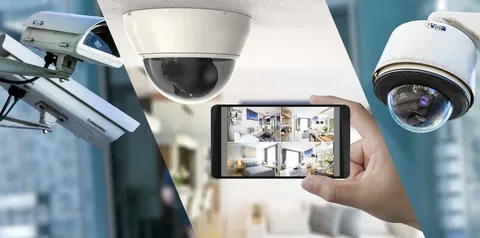
A successful CCTV installation is only the first step toward long-term security. To ensure your system continues to perform reliably, regular maintenance is essential. Without proper care, even the most advanced CCTV systems can suffer from poor image quality, system failures, or security vulnerabilities.
This guide explains the best practices for maintaining your CCTV system after installation, helping homeowners and businesses protect their investment and ensure continuous protection.
Why CCTV Maintenance Is Important After Installation
CCTV systems operate 24/7, making them vulnerable to wear, environmental exposure, and technical issues over time. Regular maintenance ensures optimal performance and reduces the risk of system failure when you need it most.
Proper CCTV maintenance helps:
- Extend system lifespan
- Maintain clear video quality
- Prevent data loss
- Ensure reliable evidence recording
- Avoid costly repairs
Routine Visual Inspection of CCTV Equipment
Checking Camera Position and Stability
Over time, cameras may shift due to weather, vibrations, or accidental contact. Regularly check that all cameras remain firmly mounted and correctly aligned.
A stable camera ensures:
- Correct field of view
- Consistent coverage
- Reduced blind spots
Inspecting Cables and Connections
Loose or damaged cables can cause signal loss or intermittent recording issues. Inspect visible wiring for signs of wear, cracking, or tampering.
Professional CCTV installation usually includes concealed wiring, but periodic checks help detect problems early.
Keeping CCTV Camera Lenses Clean
Importance of Lens Cleaning
Dust, dirt, rain spots, and insects can reduce image clarity. A dirty lens can make recorded footage unclear and unusable for identification.
Best Practices for Cleaning Lenses
Use a soft microfiber cloth and gentle lens cleaner. Avoid harsh chemicals or abrasive materials that may damage the lens coating.
Outdoor cameras should be cleaned more frequently due to exposure to weather conditions.
Monitoring Video Quality and Recording Performance
Checking Image Clarity
Review live and recorded footage regularly to ensure image quality remains sharp and consistent.
Watch for:
- Blurriness
- Glare
- Poor night vision
- Color distortion
These issues may indicate lens problems, lighting changes, or camera faults.
Ensuring Continuous Recording
Verify that your system records continuously or according to your configured schedule. Gaps in recordings could compromise security and insurance claims.
Maintaining CCTV Storage Systems
Managing Hard Drive Health
Most CCTV installations use DVR or NVR systems with hard drives that operate continuously. Over time, hard drives may degrade.
Best practices include:
- Monitoring storage capacity
- Replacing aging hard drives
- Ensuring recordings are not overwritten too quickly
Reviewing Retention Periods
Adjust video retention settings based on your needs and legal requirements. Businesses often require longer storage periods for compliance and insurance purposes.
Software and Firmware Updates
Importance of Regular Updates
CCTV systems rely on firmware and software to function properly. Manufacturers release updates to improve performance, fix bugs, and enhance security.
Failing to update software can leave your CCTV system vulnerable to cyber threats.
Scheduling Updates Safely
Perform updates during low-activity periods to avoid recording interruptions. Always back up important footage before updating.
Maintaining Remote Access and Network Security
Checking Internet Connectivity
Remote access is a key feature of modern CCTV installation. Test remote viewing periodically to ensure uninterrupted access.
Poor internet speed or router changes can affect remote connectivity.
Strengthening Cybersecurity
Protect your CCTV system by:
- Changing default passwords
- Using strong login credentials
- Enabling encryption
- Restricting user access
Cybersecurity is a critical part of CCTV maintenance, especially for internet-connected systems.
Night Vision and Infrared Maintenance
Testing Night Recording
Infrared (IR) sensors are essential for night surveillance. Regularly test night vision performance to ensure proper functionality.
Check for:
- Clear visibility in low light
- Proper IR illumination
- No reflection or glare
Avoiding Infrared Interference
Objects placed too close to cameras can reflect infrared light and reduce image clarity. Ensure the camera’s field of view remains unobstructed.
Seasonal Maintenance Considerations
Weather Impact on Outdoor Cameras
Outdoor CCTV cameras face rain, heat, cold, and dust. Seasonal inspections help identify weather-related damage.
During winter, check for:
- Moisture buildup
- Loose mounts
- Cable stiffness
In summer, monitor overheating and sun glare.
Adjusting Camera Angles
Seasonal changes in sunlight can affect image quality. Minor angle adjustments may be needed to avoid glare or shadows.
Importance of Professional CCTV Maintenance Support
Scheduled Professional Inspections
While basic maintenance can be handled by users, professional CCTV installation providers offer periodic inspections for deeper system checks.
Professionals can:
- Test internal components
- Identify hidden faults
- Optimize camera settings
- Ensure compliance with regulations
Maintenance Contracts and Support Plans
Many CCTV installers offer annual maintenance contracts. These plans reduce downtime, prevent major failures, and provide peace of mind.
Common CCTV Maintenance Mistakes to Avoid
Ignoring Small Issues
Minor issues such as occasional glitches or slight blurring can escalate into major system failures if ignored.
Neglecting Storage Management
Running out of storage can stop recording entirely, leaving your property unprotected.
Overlooking Legal Compliance
For businesses, failing to maintain CCTV systems according to data protection regulations can lead to legal complications.
Long-Term Benefits of Proper CCTV Maintenance
Consistent Security Coverage
Well-maintained systems ensure continuous monitoring without unexpected downtime.
Reliable Evidence for Incidents
Clear and uninterrupted recordings are crucial for police investigations and insurance claims.
Cost Savings Over Time
Preventive maintenance reduces repair costs and extends the life of your CCTV system.
Conclusion
Maintaining your CCTV system after installation is essential for long-term security, reliability, and performance. Regular inspections, cleaning, software updates, and professional support ensure your system remains effective and compliant. By following these best practices, homeowners and businesses can maximize the value of their CCTV installation and enjoy continuous protection and peace of mind.