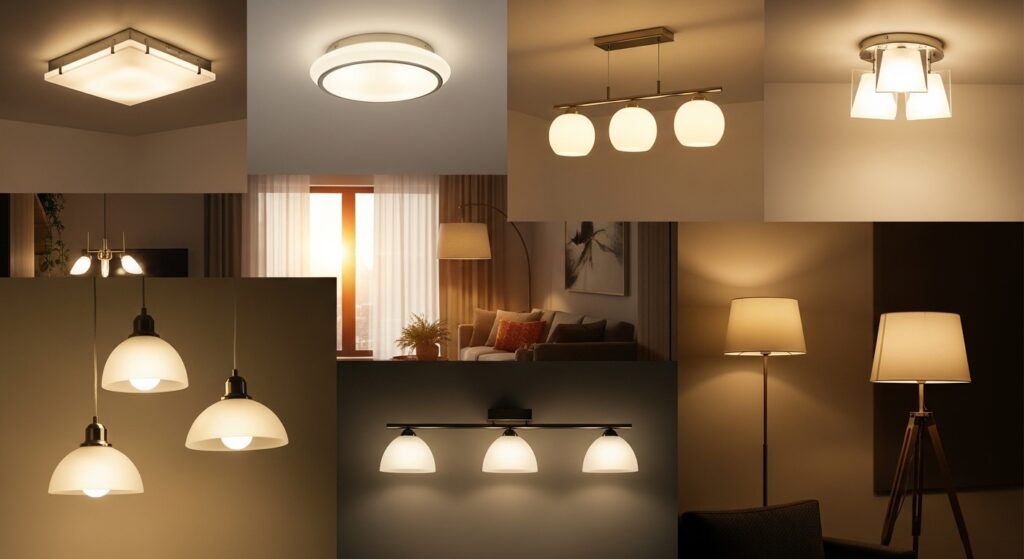
Lighting has always played a crucial role in human life, influencing not only how we see the world but also how we feel and function within it. From the first flickering flames of fire to modern energy-efficient LED technology, lights have transformed the way we live, work, and interact. The evolution of lighting reflects both technological advancements and a deeper understanding of how light affects our daily lives.
The importance of lights in homes cannot be overstated. Proper lighting enhances the ambiance of any room, making spaces feel inviting, comfortable, and functional. In living rooms, soft and warm lighting creates a cozy environment, while brighter lights in kitchens or study areas improve visibility and productivity. Bedroom lighting is often softer to promote relaxation and better sleep patterns. Beyond aesthetics, lights in homes contribute to safety by illuminating stairways, hallways, and entrances. Modern smart lighting systems now allow homeowners to adjust brightness, color temperature, and timing remotely, offering convenience and energy savings.
Commercial spaces also rely heavily on efficient lighting. Offices, retail stores, and restaurants all use lights to improve functionality and create an atmosphere that supports their specific purposes. Bright, uniform lighting in offices can reduce eye strain and increase focus, while softer, decorative lighting in restaurants enhances the dining experience. In retail, lighting can highlight products and influence customer perception, making merchandise appear more attractive and encouraging purchases. Energy-efficient solutions like LED panels and fluorescent lights are now preferred for commercial use, reducing electricity costs while providing high-quality illumination.
Industrial lighting presents another unique challenge. Factories, warehouses, and large production areas require lights that are durable, bright, and cost-effective. The right industrial lighting improves worker safety, reduces accidents, and increases productivity. LED high bay lights and canopy lights are commonly used in industrial setups because they offer long-lasting performance, low maintenance, and uniform illumination over large spaces. In addition, industrial lights are designed to withstand extreme conditions such as heat, dust, and moisture, making them ideal for demanding environments.
Street lighting is essential for public safety and urban planning. Well-lit roads and highways prevent accidents, deter crime, and improve the quality of life in cities. Modern street lights are often equipped with sensors that adjust brightness according to traffic and ambient light conditions. This not only saves energy but also reduces light pollution, which can have negative effects on both humans and wildlife. Solar-powered street lights are increasingly popular in urban and rural areas, providing sustainable and cost-effective solutions for communities.
The role of lights extends beyond practical applications into the realm of health and wellness. Natural light exposure regulates the body’s circadian rhythm, influencing sleep, mood, and overall well-being. In indoor environments, artificial lights with adjustable color temperatures can mimic natural daylight, helping to improve mood and productivity. Some studies suggest that exposure to bright light during the day can reduce symptoms of depression and seasonal affective disorder. In healthcare facilities, proper lighting is crucial for patient comfort, staff efficiency, and accurate diagnosis and treatment.
Technology continues to revolutionize the lighting industry. LED lights have transformed energy consumption and environmental impact. Unlike traditional incandescent bulbs, LEDs consume far less energy, last longer, and produce minimal heat. Smart lighting systems allow users to control lights through mobile apps, voice commands, and automated schedules, making it easier to manage energy use while enhancing convenience and security. These systems can also be integrated with home automation tools to provide a seamless living experience, from dimming lights for movie nights to turning them off when no one is home.
Decorative lighting has become a form of art in modern architecture and interior design. Designers use a variety of fixtures, colors, and placement techniques to create moods and highlight architectural features. Chandeliers, pendant lights, wall sconces, and strip lights can transform ordinary spaces into visually stunning environments. Outdoor decorative lighting adds charm to gardens, patios, and building exteriors, creating an inviting atmosphere for social gatherings or quiet relaxation. Seasonal lighting, such as for holidays or special events, further demonstrates the versatility of lights in expressing creativity and celebration.
Sustainability is a major consideration in today’s lighting choices. With rising awareness of environmental impact, many manufacturers focus on producing energy-efficient, recyclable, and long-lasting lighting solutions. LED and solar-powered lights are leading the shift toward greener alternatives. Using energy-efficient lighting not only reduces electricity bills but also decreases greenhouse gas emissions, contributing to a more sustainable future. Government regulations and incentives in many countries encourage the adoption of eco-friendly lighting solutions, making sustainable lights accessible to homes, businesses, and public spaces.
In addition to energy efficiency, lighting design plays a critical role in visual comfort. Glare, flicker, and uneven light distribution can cause eye strain, headaches, and fatigue. Modern lighting solutions focus on reducing these issues through diffusers, lenses, and advanced technology that ensures even light distribution. Understanding the balance between natural and artificial light is important for creating environments that are both functional and comfortable. Interior designers and architects collaborate with lighting experts to achieve optimal lighting solutions that meet aesthetic and practical needs.
Innovation continues to expand the possibilities of lighting. Human-centric lighting, which adjusts intensity and color according to human activity and biological needs, is gaining popularity. Dynamic lighting systems are now used in offices, schools, hospitals, and homes to enhance productivity, wellness, and mood. The integration of lighting with smart city infrastructure and IoT devices opens new possibilities for urban planning, energy management, and public safety. Lights are no longer just a source of illumination; they are tools that enhance life quality, safety, and efficiency.
In conclusion, lights are an essential part of daily life, influencing safety, productivity, health, and aesthetic appeal. From homes to industries, streets to hospitals, and commercial spaces to public areas, the role of lights extends far beyond simple illumination. Technological advances, sustainability, and creative design continue to shape the way we use and interact with lights, making them a vital component of modern living. Understanding the importance of lights allows us to make informed choices that benefit both our personal spaces and the wider environment, ensuring that our world remains bright, safe, and beautiful.