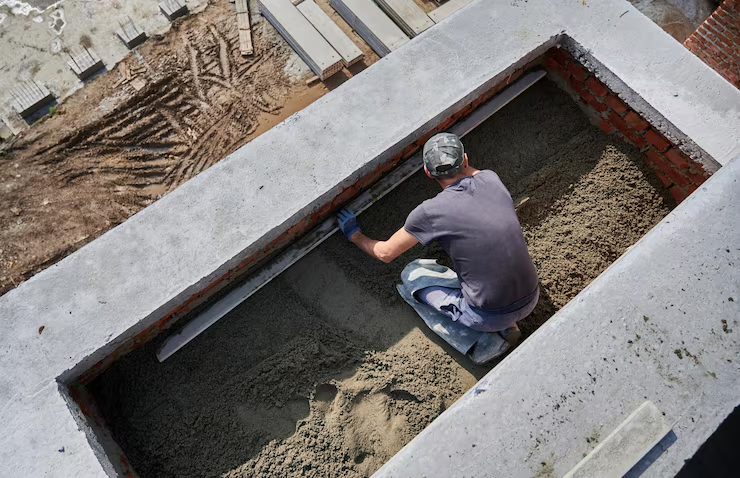
A worker screeding a concrete floor, illustrating the labor-intensive finishing stages that influence the final basement construction cost.
Understanding the Real Cost of Building a Basement in the UK
Basement construction cost is one of the most important factors homeowners and developers consider when planning to extend a property below ground level. In the UK, basement construction has become increasingly popular, especially in urban areas where space is limited and property values are high. However, the cost of building a basement can vary significantly depending on several technical, structural, and regulatory factors.
This guide explains what influences basement construction costs, average price ranges in the UK, and how to plan your budget effectively.
What Is the Average Basement Construction Cost in the UK?
The basement construction cost in the UK typically ranges between £2,500 and £5,000 per square metre. In some complex projects, particularly in London, costs can exceed this range due to challenging ground conditions and stricter planning requirements.
A simple basement used for storage will usually cost less than a fully habitable basement designed for living space, bedrooms, or home offices. Finishes, waterproofing systems, and structural reinforcements all contribute to the final price.
Key Factors That Affect Basement Construction Cost
Several variables influence how much you will pay for a basement project:
1. Ground Conditions
Soil type plays a major role in determining basement construction cost. Clay soil, high water tables, or poor ground stability can require additional excavation support and waterproofing, increasing costs.
2. Basement Size and Depth
Larger and deeper basements require more excavation, materials, and labour. A deeper dig also increases structural complexity, which directly impacts the budget.
3. Structural Engineering Requirements
Basement construction requires detailed structural calculations to support existing buildings safely. Working with experienced structural professionals ensures long-term stability and compliance with UK building regulations. Many projects involve specialist structural and design consultants to manage excavation support, load transfer, and waterproofing systems, similar to services provided by established UK engineering consultancies such as those offering structural design expertise for complex builds.
4. Waterproofing Systems
Waterproofing is essential for any basement. Systems such as cavity drainage membranes or tanking solutions can significantly affect basement construction cost but are critical for preventing future water ingress and damp issues.
Planning Permission and Regulatory Costs
In many cases, basement construction falls under permitted development rights, but this is not always guaranteed. Properties in conservation areas or listed buildings may require full planning permission, which can increase both time and cost.
Building regulations approval, structural inspections, and party wall agreements are additional legal and professional costs that should be factored into the overall basement construction cost from the start.
Fit-Out and Interior Finishes
The internal fit-out stage can dramatically change the total basement construction cost. A basic shell with minimal finishes is far cheaper than a fully fitted basement with:
-
Insulation and underfloor heating
-
Bathrooms or kitchens
-
Lighting and ventilation systems
-
Decorative finishes
Long-term durability is also important. Moisture control, ventilation, and surface protection help preserve internal finishes over time. In cases where water exposure or leaks occur, understanding how restoration specialists repair and protect damaged interiors can help property owners plan better maintenance strategies. Knowing how a professional water damage restoration company restores properties efficiently highlights the importance of moisture management in below-ground spaces.
Basement Construction Cost vs Property Value
Although basement projects involve high upfront costs, they often add significant value to a property. In high-demand areas, a well-designed basement can increase property value by 10–20%, making it a strong long-term investment.
However, overcapitalisation is a risk. The basement construction cost should always be proportionate to the property’s market value and location.
How to Control Basement Construction Costs
To keep basement construction cost under control, consider the following:
-
Conduct a detailed site and soil investigation early
-
Use experienced basement contractors and engineers
-
Finalise the design before construction begins
-
Allow contingency funds (typically 10–15%)
-
Avoid unnecessary design changes mid-project
Early professional input reduces delays, structural risks, and unexpected expenses.
Choosing the Right Professionals
Basement construction is not a standard extension project. It requires coordination between architects, structural engineers, waterproofing specialists, and contractors. Selecting experienced professionals who understand UK ground conditions and regulations can significantly reduce risk and long-term costs.
Clear communication, transparent pricing, and proven experience in basement projects are essential when selecting your construction team.
Final Thoughts
The basement construction cost in the UK depends on multiple factors, including ground conditions, structural complexity, waterproofing systems, and interior finishes. While basement projects require careful planning and a higher initial investment, they can deliver valuable living space and strong long-term returns when executed correctly.
Understanding costs early, working with experienced specialists, and planning for long-term performance are the keys to a successful basement construction project.