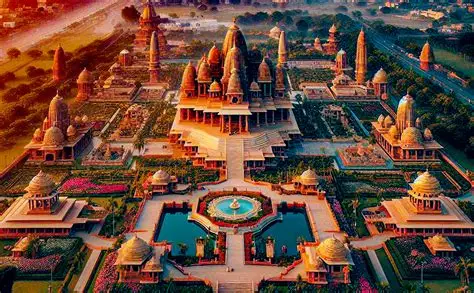
Ayodhya is more than just a city—it’s a spiritual heartbeat of India. Ayodhya tourist places offer a rich blend of mythology, devotion, architecture, and heritage. Revered as the birthplace of Lord Rama, this ancient town on the banks of the Sarayu River draws pilgrims, history buffs, and curious travelers alike. Whether you’re here for darshan, discovery, or deep reflection, Ayodhya promises a journey that’s both timeless and transformative.
🕉️ Why Visit Ayodhya?
Ayodhya is one of the seven most sacred cities in Hinduism. It’s mentioned in ancient texts like the Ramayana and has been a center of spiritual and cultural activity for centuries. Today, it’s undergoing a renaissance—with new infrastructure, restored temples, and a growing tourism ecosystem that makes it easier than ever to explore its treasures.
🛕 Top Ayodhya Tourist Places You Must Visit
Here’s a curated list of the most iconic and spiritually significant spots in Ayodhya:
1. Ram Janmabhoomi
- Significance: Believed to be the birthplace of Lord Rama.
- Highlights: The newly built Ram Mandir, intricate carvings, and spiritual ambiance.
- Experience: Aarti, darshan, and guided tours explaining the temple’s history and architecture.
This is the epicenter of Ayodhya’s spiritual identity and a must-visit for every traveler.
2. Hanuman Garhi
- Significance: Dedicated to Lord Hanuman, protector of Ayodhya.
- Highlights: 76 steps leading to the temple, panoramic views, and vibrant rituals.
- Experience: Devotees offer laddoos and chant Hanuman Chalisa in a powerful setting.
It’s customary to visit Hanuman Garhi before entering Ram Janmabhoomi.
3. Kanak Bhawan
- Significance: A palace gifted to Sita by Queen Kaikeyi.
- Highlights: Ornate idols of Ram and Sita in royal attire, Rajasthani-style architecture.
- Experience: Peaceful darshan, devotional music, and storytelling sessions.
This temple exudes a regal charm and is deeply loved by devotees.
4. Dashrath Bhavan
- Significance: Believed to be the royal residence of King Dashrath, father of Lord Rama.
- Highlights: Traditional architecture, spiritual gatherings, and festive decorations.
- Experience: Bhajans, religious discourses, and cultural programs.
It’s a great place to understand Ayodhya’s royal legacy.
5. Sita Ki Rasoi
- Significance: A symbolic kitchen of Goddess Sita.
- Highlights: Ancient utensils, temple rituals, and stories of domestic life in Ramayana.
- Experience: A unique blend of mythology and everyday spirituality.
This site offers a glimpse into the divine feminine aspect of Ayodhya’s lore.
6. Nageshwarnath Temple
- Significance: Built by Kush, son of Lord Rama.
- Highlights: Shiva temple with intricate carvings and a peaceful courtyard.
- Experience: Shivratri celebrations, morning aarti, and temple walks.
It’s one of the oldest temples in Ayodhya and a hidden gem for history lovers.
7. Ram Ki Paidi
- Significance: A series of ghats on the Sarayu River.
- Highlights: Evening aarti, boat rides, and scenic views.
- Experience: Dip in the holy river, photography, and spiritual cleansing.
This is Ayodhya’s version of Varanasi’s ghats—serene and soul-stirring.
8. Guptar Ghat
- Significance: Believed to be the place where Lord Rama took Jal Samadhi.
- Highlights: Peaceful setting, ancient shrines, and riverfront views.
- Experience: Meditation, rituals, and quiet reflection.
It’s ideal for those seeking solitude and spiritual depth.
9. Treta Ke Thakur
- Significance: Houses idols believed to be installed by King Vikramaditya.
- Highlights: Rare black stone idols of Ram, Sita, Lakshman, Hanuman, and Sugreev.
- Experience: Annual opening on Ekadashi, storytelling, and heritage appreciation.
This temple is open only once a year, making it a rare and revered site.
10. Valmiki Ramayan Bhavan
- Significance: Dedicated to Maharishi Valmiki, author of the Ramayana.
- Highlights: Ramayana-themed murals, scriptures, and cultural exhibits.
- Experience: Educational tours, recitations, and literary immersion.
Perfect for those who want to dive deeper into the epic’s origins.
11. Raj Dwar Mandir
- Significance: One of the oldest temples in Ayodhya.
- Highlights: Historical architecture, quiet ambiance, and local devotion.
- Experience: Peaceful darshan and heritage appreciation.
It’s a lesser-known spot that offers a more intimate experience.
12. Gulab Bari
- Significance: Mausoleum of Nawab Shuja-ud-Daula.
- Highlights: Mughal-style gardens, rose beds, and Indo-Islamic architecture.
- Experience: Photography, history walks, and cultural contrast.
This site reflects Ayodhya’s multi-faith heritage and architectural diversity.
13. Imambada
- Significance: A Shia Muslim shrine.
- Highlights: Elegant design, religious gatherings, and historical relevance.
- Experience: Interfaith understanding and cultural exploration.
Ayodhya’s spiritual landscape includes Islamic heritage as well.
14. Ayodhya Deepotsav
- Significance: Annual festival celebrating Diwali and Lord Rama’s return.
- Highlights: Millions of diyas, cultural performances, and Guinness World Records.
- Experience: Attend the spectacle, join the celebrations, and witness Ayodhya’s glow.
This event has become a global attraction and showcases Ayodhya’s festive spirit.
15. Ramayana Art Gallery
- Significance: Visual storytelling of the Ramayana.
- Highlights: Paintings, sculptures, and interactive exhibits.
- Experience: Educational and artistic immersion.
Ideal for families and students exploring Ayodhya’s mythology.
🧭 Planning Your Visit
- Best Time to Visit: October to March for pleasant weather and festivals.
- How to Reach:
- By Air: Ayodhya Airport (under development); nearest is Lucknow.
- By Train: Ayodhya Junction and Faizabad Station.
- By Road: Well-connected via highways from Lucknow, Varanasi, and Prayagraj.
🏨 Where to Stay
Ayodhya offers a range of accommodations:
- Budget Hotels: Near Ram Janmabhoomi and railway station.
- Mid-Range Stays: With basic amenities and proximity to temples.
- Luxury Options: Heritage hotels and upcoming resorts.
- Dharamshalas: For pilgrims seeking affordable and spiritual stays.
🍛 What to Eat
Ayodhya’s cuisine is simple, vegetarian, and flavorful:
- Street Food: Kachori, jalebi, samosa, and lassi.
- Temple Prasad: Khichdi, halwa, and seasonal offerings.
- Local Restaurants: North Indian thalis and sattvic meals.
Don’t miss the experience of eating at Sita Ki Rasoi Bhojnalaya.
🛍️ What to Buy
Popular souvenirs include:
- Ramayana-themed artifacts
- Handcrafted idols and diyas
- Ayodhya postcards and books
- Local sweets and snacks
Markets near Hanuman Garhi and Ram Janmabhoomi are great for shopping.
✨ Final Thoughts
Ayodhya tourist places offer more than just sightseeing—they offer soul-seeing. From the divine aura of Ram Janmabhoomi to the quiet charm of Guptar Ghat, every corner of this sacred city tells a story. Whether you’re here for faith, history, or curiosity, Ayodhya welcomes you with open arms and a timeless spirit.
So pack your bags, bring your reverence, and let Ayodhya show you why it’s not just a destination—but a pilgrimage of the heart.