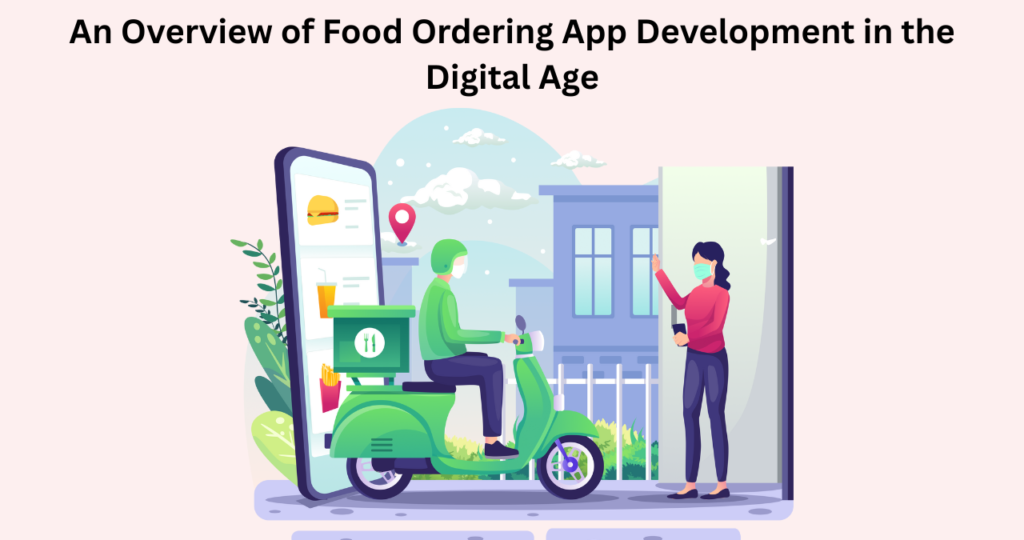
The digital age has completely reshaped how people discover restaurants, place orders, and receive food at their doorstep. What once relied on phone calls and walk-ins has evolved into app-driven ecosystems powered by automation, data, and real-time communication. For startups, restaurant chains, cloud kitchens, and delivery-first brands, investing in the right technology is now a strategic necessity. Working with a capable food ordering app development company enables businesses to streamline operations, enhance customer experience, and scale faster in an increasingly competitive market.
The Rise of Digital Food Ordering Platforms
Changing Consumer Expectations
Modern consumers demand convenience, speed, and transparency. They want to browse menus instantly, customize orders, track deliveries in real time, and make secure digital payments. This shift has pushed food businesses to adopt mobile apps and web platforms that offer frictionless ordering experiences. A well-designed food ordering system not only meets these expectations but also builds trust and long-term engagement.
Market Growth and Opportunity
Online food ordering has grown from a niche convenience into a global industry. Urbanization, smartphone penetration, and the rise of on-demand services have created massive opportunities for food businesses of all sizes. Restaurants that embrace digital ordering platforms gain access to broader markets, operate with greater efficiency, and compete effectively with established delivery aggregators.
What Is Food Ordering App Development?
Core Concept and Business Value
Food ordering app development involves designing and building digital platforms that connect customers, restaurants, and delivery operations in one seamless ecosystem. These apps handle everything from menu display and order placement to payment processing, kitchen management, and delivery tracking. When executed strategically, such platforms become revenue engines that drive customer acquisition, retention, and operational efficiency.
Custom Platforms vs Third-Party Marketplaces
While third-party marketplaces provide visibility, they also charge high commissions and limit brand ownership. Custom-built apps give businesses full control over customer data, pricing strategies, and user experience. A professional food ordering app development company can tailor solutions to match specific business models, whether for single restaurants, multi-brand kitchens, or enterprise-level chains.
Key Components of a Modern Food Ordering App
Customer-Facing Interface
The customer app is the primary touchpoint. It must offer intuitive navigation, fast loading, and smooth checkout. Features such as search filters, real-time order tracking, digital wallets, and personalized recommendations enhance usability and increase conversion rates.
Restaurant and Admin Dashboards
Behind the scenes, restaurant dashboards manage orders, update menus, monitor inventory, and analyze performance metrics. Admin panels provide business owners with centralized control over promotions, user management, reporting, and system configurations, ensuring smooth day-to-day operations.
Delivery Management Systems
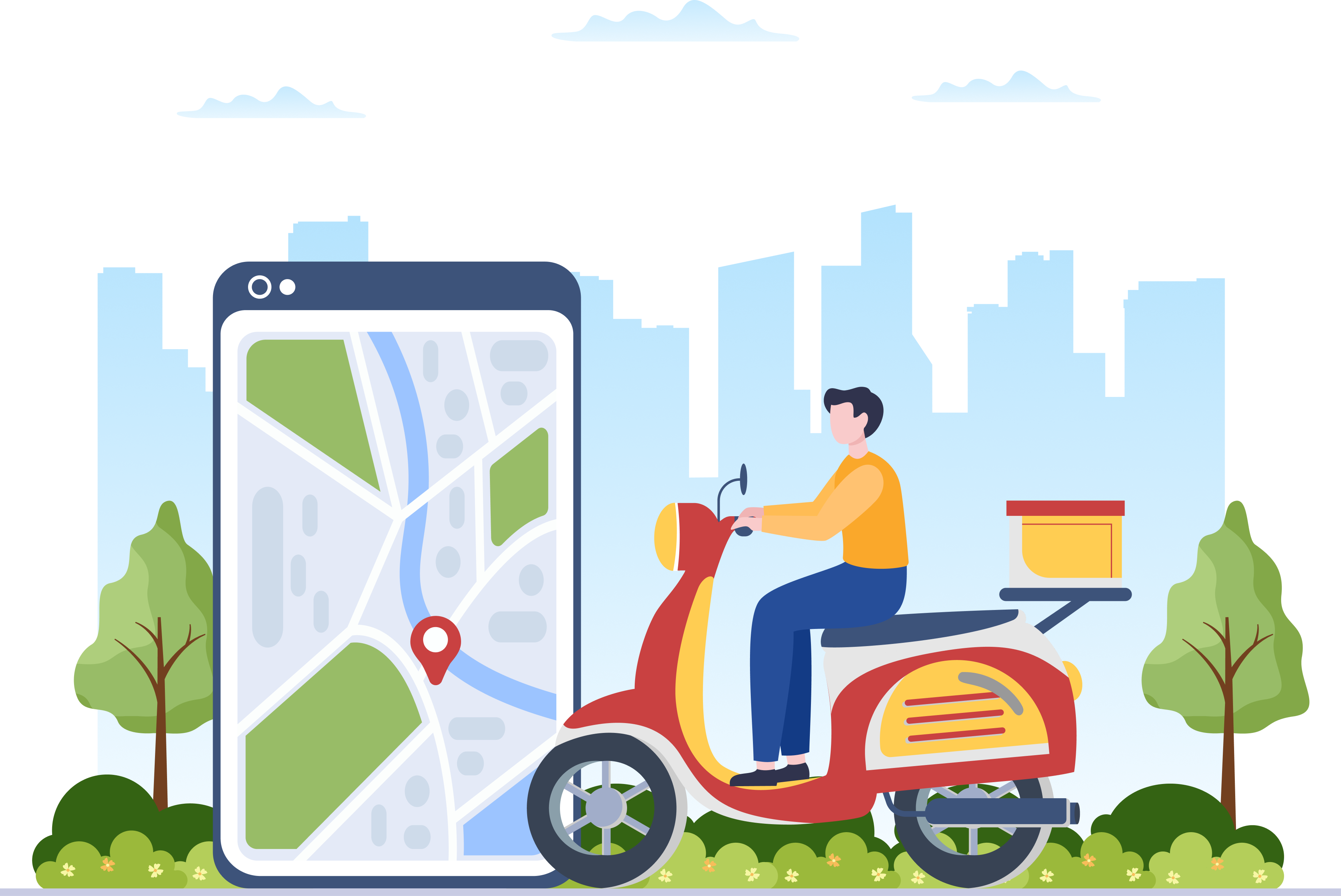
Efficient logistics are critical. Delivery modules assign orders, optimize routes, track drivers, and provide real-time updates to customers. Integration with mapping services and automated dispatch improves delivery speed and reduces operational errors.

How Food Ordering Apps Transform Business Operations
Automation and Process Optimization
Manual order handling leads to delays, miscommunication, and human error. Food ordering apps automate the entire workflow, from order placement to fulfillment and payment confirmation. This reduces dependency on staff, improves accuracy, and enables businesses to handle higher volumes without increasing overhead.
Data-Driven Decision Making
Every interaction within an app generates valuable data. Businesses can analyze ordering patterns, peak hours, customer preferences, and popular items to refine menus, optimize pricing, and plan promotions. These insights empower smarter decisions that directly impact profitability.
Customer Experience as a Competitive Advantage
Personalization and Engagement
Personalized experiences drive loyalty. Food ordering apps use behavioral data to suggest dishes, offer targeted discounts, and remember past orders. This level of customization makes customers feel valued and increases repeat business.
Transparency and Trust
Real-time order updates, estimated delivery times, and in-app support create transparency. Customers appreciate knowing exactly when their food will arrive and having easy access to assistance if needed. Trust is built through reliability, which is essential for long-term growth.
Business Models Enabled by Food Ordering Apps
Cloud Kitchens and Virtual Brands
The rise of cloud kitchens is one of the most significant trends in the digital food industry. These delivery-only operations rely entirely on technology for customer acquisition and order management. Food ordering apps allow virtual brands to test new concepts quickly, scale successful menus, and optimize costs without investing in physical dining spaces.
Multi-Outlet and Franchise Management
For chains and franchises, apps offer centralized control with localized flexibility. Headquarters can manage brand standards, marketing campaigns, and analytics, while individual outlets handle fulfillment. This structure supports rapid expansion without operational complexity.
Technology Stack and Scalability
Cloud-Based Infrastructure
Scalability is critical in on-demand services. Cloud architecture ensures that platforms can handle traffic spikes during peak hours, promotions, and seasonal demand without performance issues. Modular systems also allow businesses to add features over time without disrupting existing operations.
Integrations and APIs
Modern food platforms integrate with POS systems, CRM tools, accounting software, and third-party logistics providers. These integrations create a connected ecosystem where data flows seamlessly across departments, improving efficiency and reducing manual work.
Security, Compliance, and Reliability
Protecting User Data
Food ordering apps handle sensitive information such as personal details and payment credentials. Robust encryption, secure authentication, and compliance with data protection regulations are essential. Customers are more likely to trust platforms that prioritize privacy and security.
Ensuring System Uptime
Downtime directly affects revenue and brand reputation. Reliable hosting, regular maintenance, and proactive monitoring ensure that platforms remain accessible even during high-demand periods. Stability is a core requirement for any business operating in the digital food space.
Marketing and Growth Through Owned Platforms
Direct Customer Relationships
Owning a food ordering app allows businesses to communicate directly with customers through push notifications, in-app promotions, and loyalty programs. This reduces reliance on paid advertising and third-party marketplaces while improving customer lifetime value.
Cost-Effective Acquisition
Compared to aggregator platforms that charge commissions, direct ordering apps lower acquisition costs over time. Personalized offers and referral programs further drive organic growth, making apps a sustainable long-term investment.
Read More: The Complete Guide to Building a Successful Online Food Delivery App
Challenges in Food Ordering App Development
Feature Overload vs Usability
Adding too many features can complicate the user experience. The key is to focus on core functionalities that directly improve ordering, delivery, and customer engagement. Iterative development based on user feedback ensures continuous improvement without unnecessary complexity.
Logistics and Delivery Coordination
Managing delivery operations remains a major challenge. Integrating real-time tracking, route optimization, and driver management is essential to maintain service quality. Poor logistics can undermine even the best-designed app.
Maintaining Performance at Scale
As user bases grow, platforms must support higher transaction volumes, concurrent users, and data loads. Regular performance testing, scalable infrastructure, and proactive maintenance are critical to avoid slowdowns and outages.
The Strategic Role of a Development Partner
Customization and Business Alignment
Every food business has unique workflows, branding, and growth objectives. A generic solution often limits flexibility. Partnering with an experienced food ordering app development company ensures your platform is aligned with your operational model and long-term vision.
Long-Term Support and Innovation
Technology evolves rapidly. Continuous updates, security patches, and feature enhancements keep platforms competitive. A reliable development partner provides ongoing support, helping businesses adapt to market trends and integrate emerging technologies.
Future of Food Ordering in the Digital Age
Artificial Intelligence and Automation
AI is enhancing recommendation engines, demand forecasting, and customer support through chatbots. Automated systems improve operational efficiency while delivering highly personalized user experiences.
Voice and Conversational Commerce
Voice assistants and chat-based ordering are simplifying how customers place orders. These interfaces reduce friction, particularly for repeat users, and open new channels for engagement.
Hyperlocal, Subscription, and Eco-Friendly Models
Localized menus, subscription-based meal plans, and sustainable packaging initiatives are gaining popularity. Apps that support these models offer predictable revenue streams and align with evolving consumer values.
FAQs
Frequently Asked Questions
What does a food ordering app development company do?
A food ordering app development company designs, builds, and maintains custom platforms for restaurants and food businesses, covering customer apps, admin panels, payment integration, delivery management, and analytics.
Can small restaurants benefit from having their own food ordering app?
Yes. Small businesses gain control over branding, pricing, and customer data while reducing dependency on third-party marketplaces and their commission fees.
How long does it take to develop a food ordering app?
Development timelines vary based on features, integrations, and platform complexity. A basic version can take a few months, while advanced, scalable systems require longer planning and execution.
Is it possible to integrate delivery partners into a custom app?
Yes. Modern apps can integrate third-party logistics providers or support in-house delivery operations with real-time tracking and automated dispatch systems.
How do food ordering apps improve customer retention?
By offering personalized recommendations, loyalty programs, seamless checkout, and transparent delivery tracking, apps encourage repeat orders and long-term engagement.
Conclusion
In the digital age, food ordering apps have become essential tools for businesses seeking growth, efficiency, and customer loyalty. They automate operations, enable data-driven decisions, and create personalized experiences that drive repeat business. Success depends on choosing the right technology strategy and partnering with a clone app development company that understands scalability, security, and evolving market demands, ensuring your platform remains competitive, adaptable, and ready for long-term expansion.