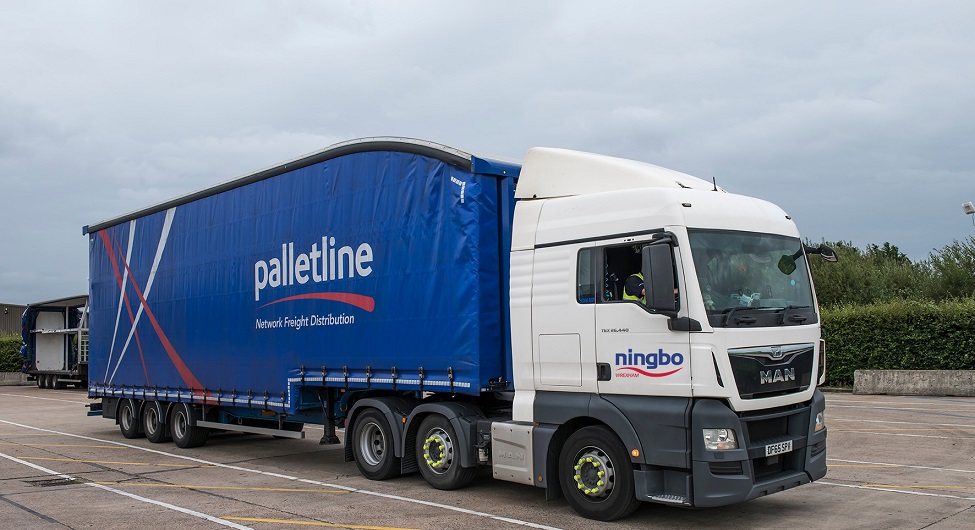
Palletised Distribution Services
Efficient logistics are the backbone of modern supply chains, enabling companies to move goods quickly, safely, and cost-effectively. As businesses expand and customer expectations grow, the need for structured, reliable transport solutions becomes more important than ever.
One method that has transformed commercial freight movement is palletised distribution services, a system designed to streamline handling, reduce damage, and improve overall efficiency. Whether you run an e-commerce operation, a manufacturing facility, or a wholesale business, understanding how palletisation works can greatly enhance your logistics strategy.
What Are Palletised Distribution Services?
At its core, palletisation refers to stacking, securing, and transporting goods on standard wooden or plastic pallets. These pallets allow forklifts, pallet trucks, and automated systems to move products easily throughout warehouses, trucks, and distribution centers.
When a company uses palletised distribution services, goods are collected, consolidated, loaded securely, transported to their destination, and delivered intact. This method supports high-volume freight and long-distance shipping, making it ideal for businesses with regular distribution needs.
Why Palletisation Matters in Modern Logistics
The rise of e-commerce and global trade has increased demand for reliable shipping methods. Palletisation addresses many challenges faced by logistics companies. First, it improves handling efficiency by reducing manual lifting. Second, it enhances product protection because goods are wrapped, stabilized, and secured on a sturdy base. Third, palletisation allows carriers to optimize truck space, leading to fewer trips and lower transportation costs. These advantages have made palletised distribution services an essential part of modern supply chain operations.
Key Benefits of Palletised Shipping
Palletised distribution offers several benefits that directly impact operational efficiency, cost reduction, and customer satisfaction.
Faster Loading and Unloading
Pallets enable quick movement of goods using forklifts or automation. This reduces waiting times at warehouses and distribution centers.
Reduced Risk of Damage
Properly wrapped and secured pallets minimize breakage, shifting, and crushing during transit.
Improved Inventory Management
Palletised goods are easier to count, organize, and track, allowing more accurate stock control.
Cost Savings
Consolidating goods onto pallets reduces labor hours, transportation costs, and delivery delays.
Enhanced Safety
By reducing the amount of manual handling required, palletisation lowers the risk of workplace injuries.
These advantages help businesses of all sizes streamline their logistics and maintain consistency in delivery performance.
How Palletised Distribution Works
While processes can vary based on the logistics provider, most palletised distribution systems follow similar steps:
Step 1: Goods Preparation
Products are packed, labelled, and prepared for palletisation. Proper packaging is crucial to protect items during movement.
Step 2: Pallet Loading
Goods are stacked on pallets according to weight distribution guidelines. Heavy items go at the bottom, lighter ones on top. Stretch wrap or strapping is used to secure the load.
Step 3: Collection
The logistics provider collects the palletised freight from the warehouse or business location. Forklifts or pallet trucks are used to load pallets safely onto transport vehicles.
Step 4: Transport
Pallets are transported to hubs, terminals, or distribution centers. Advanced tracking systems provide visibility throughout the journey.
Step 5: Delivery
Pallets are delivered to the destination, unloaded using proper equipment, and inspected for quality upon arrival.
This structured process ensures smooth movement of goods from start to finish when businesses rely on palletised distribution services.
Types of Palletised Freight Options
Different businesses require different shipping options depending on the volume and urgency of their orders. Common palletised freight options include:
Full Pallet Loads (FPL)
Ideal for large shipments that require dedicated space in a truck.
Half Pallets and Quarter Pallets
Great for smaller shipments and cost-saving purposes.
Groupage or Less-Than-Pallet Loads (LTL)
Perfect for businesses with regular but small deliveries, allowing cost sharing with other shipments.
Next-Day Pallet Delivery
A premium option for urgent or time-sensitive freight.
Temperature-Controlled Pallet Shipping
Used for pharmaceuticals, fresh foods, and perishable goods.
By choosing the right type of service, companies can optimize costs and delivery times based on their logistics needs.
Industries That Rely on Palletised Distribution
Many industries depend on palletisation to ensure efficient product movement, including:
- Manufacturing – for raw materials and finished goods
- Retail and E-commerce – to support bulk orders and store replenishment
- Food and Beverage – especially fragile or temperature-sensitive items
- Automotive – for parts, components, and heavy equipment
- Construction – for tools, materials, and bulk supplies
- Pharmaceuticals – requiring secure, reliable, and traceable transportation
The versatility of palletisation makes it a universal solution across sectors.
Choosing the Right Pallet Distribution Partner
Selecting a trusted logistics provider is essential for achieving efficient palletised shipping. When evaluating a company, consider:
- Network coverage – Does the provider cover national and international routes?
- Technology integration – Real-time tracking and automated updates improve transparency.
- Handling experience – Skilled handlers prevent damage and delays.
- Fleet quality – Well-maintained vehicles ensure reliable deliveries.
- Customer support – Responsive teams improve communication and problem resolution.
A good logistics partner ensures smooth operations and helps businesses scale efficiently.
How Palletisation Supports Sustainability
Sustainability is becoming a major focus in logistics, and palletisation contributes positively in several ways. Pallets allow carriers to maximize truck space, leading to fewer trips and lower emissions. Reusable pallets reduce packaging waste. Optimized handling reduces product damage, lowering environmental impact from replacements. Many companies now use recycled or biodegradable pallet materials, aligning with eco-friendly supply chain goals. By integrating palletised distribution services, businesses can reduce their carbon footprint while maintaining efficiency.
Future Trends in Palletised Logistics
Technology continues to shape the logistics sector. Automation, AI-driven route planning, and smart sensors are enhancing pallet tracking and warehouse management. Robotics are speeding up loading and unloading operations. Blockchain is improving transparency in supply chain documentation. These innovations will make palletised shipping even more accurate, efficient, and cost-effective in the coming years.
Conclusion
Efficient shipping solutions are critical for any business that depends on reliable product movement. Palletised distribution services provide a structured, safe, and cost-effective method of transporting goods across regions and countries. From improved handling and reduced damage to enhanced safety and sustainability, palletisation offers clear advantages that support long-term business growth. As technology evolves and supply chains become more complex, palletised distribution will remain a core component of successful logistics operations, helping companies deliver products quickly and reliably.